
Camping Safety and Health: Staying Safe in the Outdoors
Food poisoning, slips on wet roots, and heat exhaustion send more campers home early than bears or snakes ever will. The biggest gaps in camping safety and health are hygiene discipline, fire extinguishment habits, and knowing when a minor injury becomes a real problem. Address those three areas and you cover the vast majority of preventable incidents.
The Real Danger Isn’t Wildlife—It’s What You Bring Yourself
Most campers fixate on bears and getting lost, but cross‑contamination from raw meat juices, unwashed hands, and a cooler that sits above 40°F is the single most common health threat at a typical car‑camping site. Dehydration sets in before you feel thirsty, and small cuts get infected because you didn’t clean them promptly.
Stop worrying about the black bear that might visit at midnight. Instead, buy a cheap probe thermometer, separate your drink cooler from your food cooler, and pre‑freeze meat. That one change will prevent more trip‑ruining events than any bear spray can.
Food and Water Safety
Keep Cold Food Cold—and Verify It
A closed cooler full of ice might still let your chicken hit 50°F by lunch on day two. Keep a clip‑on thermometer inside the food cooler. If the dial reads above 40°F for more than two hours, that meal goes in the trash, not back in the cooler.
Expert tip: Pre‑chill the cooler with ice packs 24 hours before loading. Freeze meat in the package it came in; it thaws as the trip goes on and stays below 40°F longer. Common mistake: Packing room‑temperature drinks into the food cooler. Drinks warm up fast and force the ice to work double duty—use a dedicated drink cooler instead.
Water Purification Has Limits
Never assume a stream or lake is safe. Giardia and cryptosporidium are common in US wilderness areas.
- Boil: rolling boil for 1 minute (3 minutes above 6,500 ft).
- Filter: use a filter rated to 0.2 microns or smaller.
- Chemical: iodine or chlorine dioxide tablets work but leave an aftertaste.
This advice assumes you’re drawing from a natural water source. If you’re at a developed campground with a spigot marked “potable,” you don’t need to treat it. If the spigot is unlabeled, treat it anyway—many campground well systems fail inspections.
Expert tip: Carry at least two purification methods. If your filter clogs from silt (common in beaver ponds) or a bottle cracks, you still have tablets. Common mistake: Relying on clear water as safe. Clear water can still contain pathogens—color is not a cleanliness test.
Fire Safety and Weather Awareness
Campfire Best Practices and the “Cold Ashes” Check
Build fires only in designated rings at least 15 feet from tents and low‑hanging branches. Keep a bucket of water and a shovel next to the fire the whole time.
How to safe‑out a campfire:
- Pour water slowly – Drench the fire, stirring with a shovel to soak every ember.
- Listen for sizzling – If you hear sizzling, keep adding water until the sound stops completely.
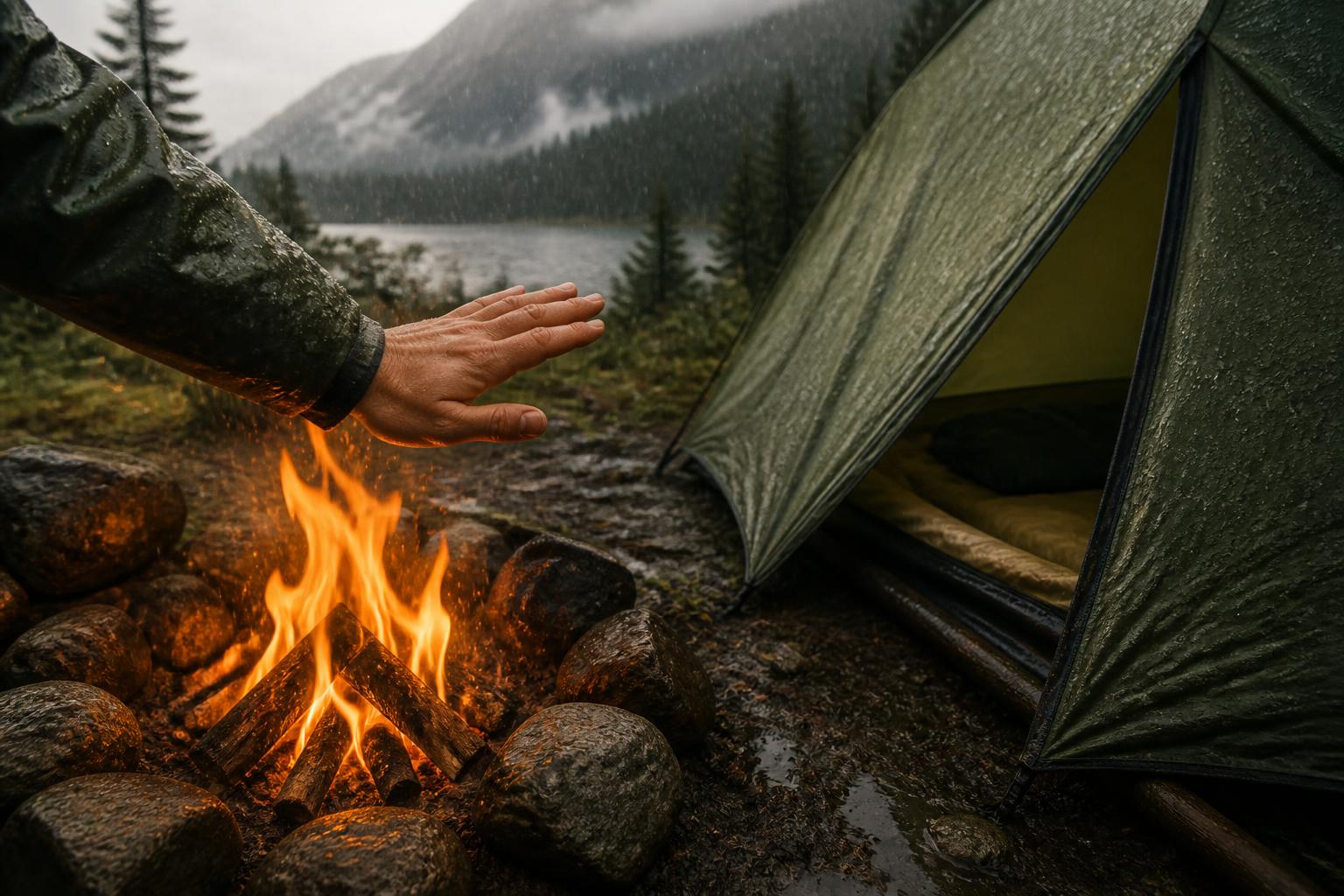
- Feel with the back of your hand – Hold your hand a few inches above the ash pile. If you feel heat, repeat step 1.
- Break apart – Use the shovel to spread out any remaining coals and expose hidden embers.
- Wait and re‑check – Stir the ashes into a slurry, then wait 10 minutes. Touch the ash pile—it should be cold.
Dousing a fire with lake water is fine for extinction, but it can leave a wet, muddy ring that makes it harder to start a fire the next night. If you plan to reuse the ring, use dry sand or dirt for the final cover instead of water once the embers are cool enough to handle. Also, check local fire bans—if the area is in drought, skip the campfire entirely and use a camp stove.
If you are low on water and cannot fully drench the fire, do not leave the site. Stay overnight if necessary. A fire that looks dead can still smolder and start a wildfire hours later.
Weather Threats: Know When to Head Inside
Check the forecast before you leave, but also monitor local weather apps during the trip.
- Lightning: if you hear thunder, get inside a hard‑topped vehicle or building. Avoid open fields, isolated trees, and tent poles. A tent offers zero protection.
- Heat: drink water every 20 minutes, wear a wide‑brimmed hat, and take shade breaks. Heat exhaustion signs: headache, nausea, heavy sweating that suddenly stops.
Expert tip: Set a phone timer to beep every 20 minutes as a hydration reminder. Common mistake: Waiting until you’re thirsty to drink—by then you’re already mildly dehydrated.
First‑Aid and Emergency Preparedness
What to Carry vs. What You’ll Actually Use
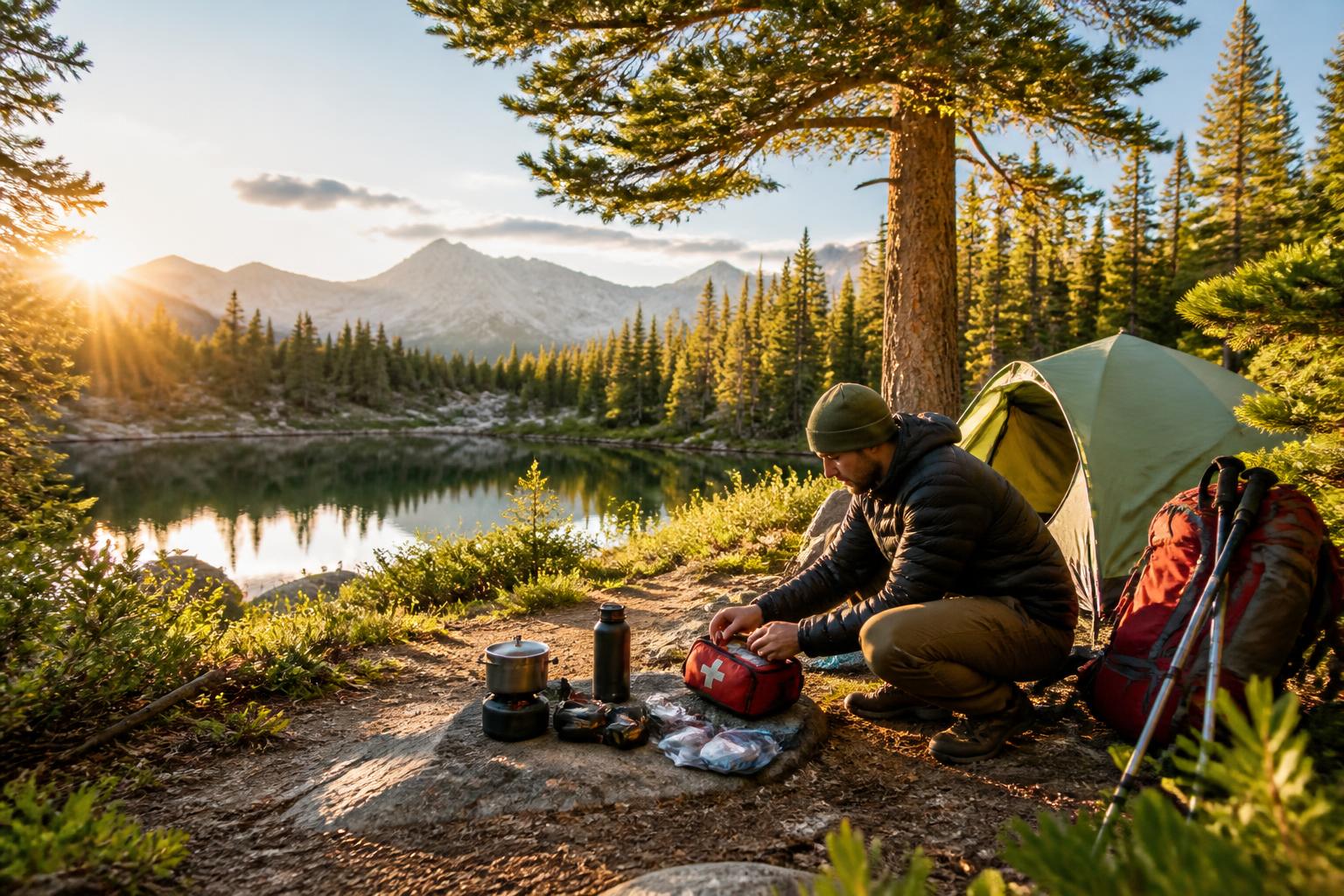
A standard pre‑packed first‑aid kit is often half the solution. You’ll probably use blister treatment and antiseptic wipes long before you touch the CPR mask. Add these:
- Moleskin or hydrocolloid pads for blisters
- Antiseptic wipes and antibiotic ointment
- Tweezers (splinters and ticks)
- Elastic bandage for sprains
- Hydration salts if you’re sweating heavily
Open your existing kit right now and check that the antiseptic wipes are still wet and the bandages aren’t dried out. Replace any that are expired or compromised.
Many pre‑assembled kits skimp on moleskin and include items like large trauma shears you won’t use on a weekend trip. Don’t buy the biggest kit on the shelf—buy a medium one and customize it. Also, if you’re hiking far from the car, a 2‑ounce kit is better than a 2‑pound duffel bag; weight trade‑off matters.
When a Minor Injury Becomes a Real Problem
Cuts: Clean with soap and water, apply antiseptic, cover. Change the bandage daily. Infection signs (redness spreading, warmth, pus) mean a trip to urgent care.
Sprains: RICE – Rest, Ice (cold water works), Compression, Elevation. If you cannot bear weight after 10 minutes, head to urgent care.
Hypothermia: Early signs are shivering and clumsiness. Get the person dry, into warm layers, and give warm (not hot) drinks. Avoid alcohol—it widens blood vessels and accelerates heat loss.
If movement is impossible, pain is severe, or bleeding doesn’t stop after 10 minutes of direct pressure, call 911 or activate your satellite messenger (inReach, SPOT). Do not wait for symptoms to improve. In backcountry settings, a rescue can take hours—start the process early.
Frequently Asked Questions
What are the most common camping injuries?
Slips on wet surfaces, knife cuts, and burns from campfires or stoves. Dehydration and food poisoning are also frequent but often overlooked because they develop slowly.
How can I prevent wildlife encounters?
Store all food, trash, and scented items in bear‑proof containers or hang them at least 10 feet off the ground and 4 feet from a tree trunk. Keep your cooking area 100 yards from your tent. Never feed animals—even small rodents become aggressive.
Is it safe to drink water from a purifier bottle only?
Yes, if the bottle uses an EPA‑registered filter (like a LifeStraw or Grayl). For longer trips or groups, a pump filter or UV purifier is more reliable. Always read the manufacturer’s instructions for flow rate and filter lifespan.
What should I do if I get lost?
Stop moving immediately. Stay put. Use a whistle (three short blasts) or a signal mirror. If you have cell service, call or text 911 with your GPS coordinates. Carry a physical map and compass even if you have a phone—batteries die.

Camping Bob has spent over 20 years camping across the US — from BLM dispersed sites in the Southwest to KOA campgrounds in the Pacific Northwest. He writes practical, no-nonsense guides to help fellow campers get outdoors with confidence.