
Sleeping Bag Liners: Why You Need One and Which to Buy
If you’ve ever woken up in a damp, smelly sleeping bag after a few nights of camping, you already know why a liner is worth having. The short answer: a liner adds 5–15°F of warmth, keeps your bag cleaner so it lasts longer, and lets you sleep in a touch more comfort. But not all liners are equal, and the best one depends on whether you’re trying to save weight, add warmth, or simply protect a pricey down bag from body oils.
What this means for your next purchase decision: If you own a down bag that you wash once a year or less, a liner is a no‑brainer—it prevents the build‑up of oils and sweat that degrade loft. If you’re a warm‑weather car camper, a cheap cotton liner does the job and costs under $30. If you’re an ultralight backpacker, a 3 oz silk liner is worth the investment because it delays bag washes by several seasons. The counter‑intuitive truth: keeping your bag clean is often more valuable than the temperature bump—because a dirty down bag loses insulation permanently, and washing it repeatedly shortens its lifespan.
Quick answer
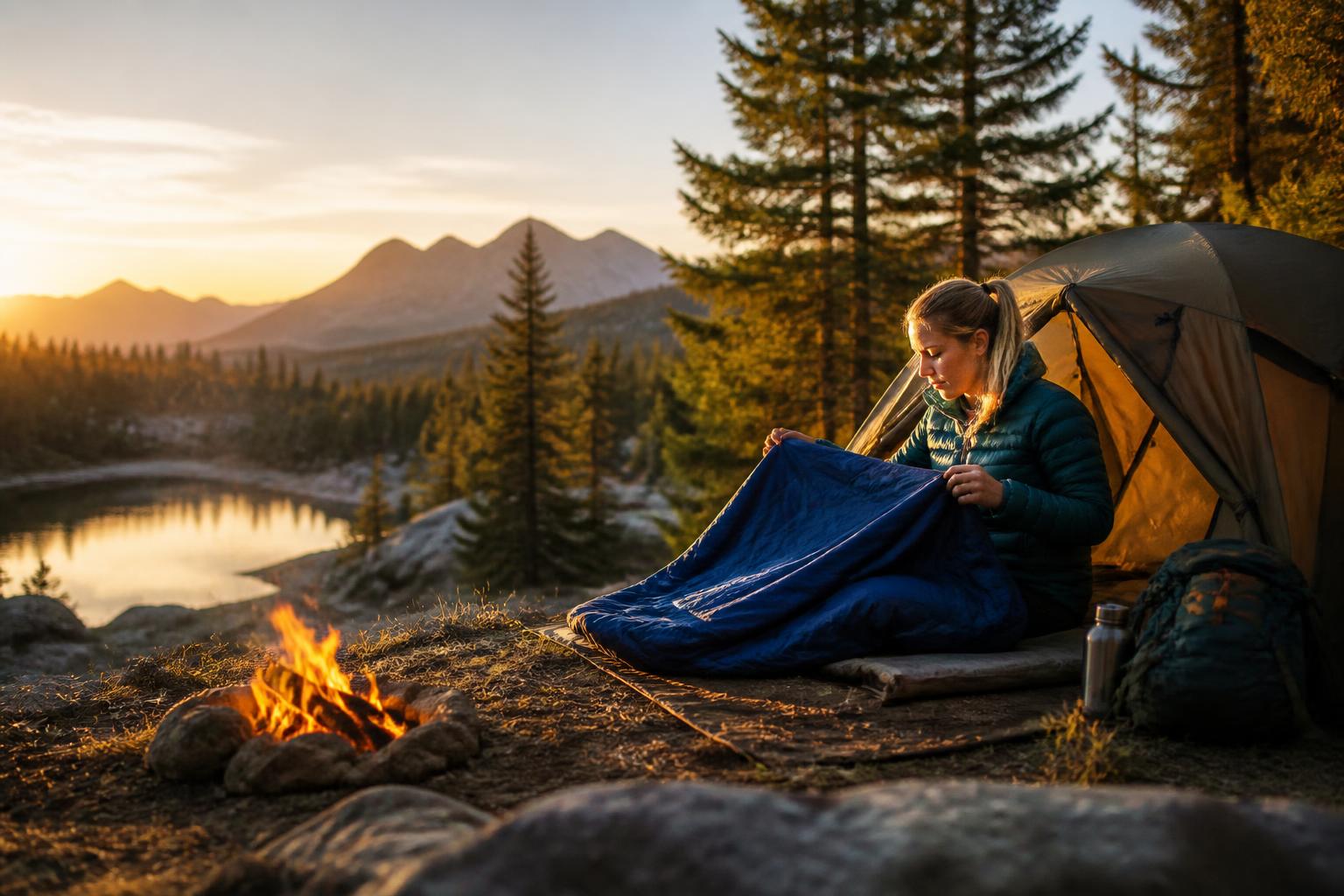
A sleeping bag liner serves three main jobs: warmth boost (adds 5–15°F), hygiene (protects your bag from sweat and dirt, reducing how often you need to wash it), and versatility (you can use it alone in hot weather or as a clean layer in a hostel). For most campers, a lightweight silk or synthetic liner that prioritizes packability and washability is the smartest buy. If you need serious warmth gain, a fleece or thermal liner is better, but it adds bulk.
Comparison framework
While liners themselves help keep your bag clean, you’ll still need to wash your bag occasionally. Below are two top‑rated care products that extend the life of both down and synthetic bags, plus an ultralight sleeping bag that can double as a summer option.
| Product | Price | Brand | Rating | Feature 1 | Feature 2 | Feature 3 | Best For |
|---|---|---|---|---|---|---|---|
| Nikwax Hardshell Cleaning & Waterproofing Duo-Pack, 300ml | — | Nikwax | — | Cleans and restores water repellency | Safe for Gore‑Tex and DWR | 2‑in‑1 kit | Re‑waterproofing shell fabrics |
| Granger’s Down Wash – 10 fl oz (300ml) | — | Granger’s | — | Concentrated, restores loft | Bluesign approved, PFC‑free | Down‑specific cleaning | |
| Ultralight Sleeping Bag, Warm Weather Portable Compact | — | TANSTRIDER | — | Ultralight & compact | Waterproof shell | 3‑season use | Warm‑weather camping |
Top Pick: Nikwax Hardshell Cleaning & Waterproofing Duo-Pack – best for keeping your bag’s outer shell breathable and water‑repellent. (Note: this is a cleaning/maintenance product, not a liner, but it’s a smart companion to any liner purchase if you want your bag to perform season after season.)
Best-fit picks by use case
Backpackers who count grams – Look for a silk or polyester‑cotton blend liner that weighs under 8 oz. Silk liners pack tiny and feel cool against the skin; they add about 5°F. If you want a little more warmth without a huge weight penalty, a lightweight fleece liner (10–12 oz) is a solid middle ground.
Winter campers or cold sleepers – A thermal fleece liner (often called a “reactor” type) can add 15–20°F to your bag’s rating. Check the manufacturer’s temperature boost claims before buying—some overstate by 5–10°F. A concrete verification: test the liner at home on a chilly night (set your thermostat to 40°F) and see if you’re warm enough before relying on it in the backcountry.
Budget‑conscious car campers – A simple cotton or flannel liner costs far less than a new sleeping bag and does a great job of keeping your bag clean. But cotton is heavy when wet and packs large, so it’s not suited for backpacking. If you camp in damp conditions, the cotton liner can absorb moisture from condensation inside your bag, making you colder—consider a synthetic or fleece instead.
Hostel or bunkhouse travel – A silk or synthetic liner shines here. It acts as a clean surface inside shared bedding, packs smaller than a towel, and can be washed in a sink.
No single liner does it all. Match your choice to your primary use—weight‑conscious backpackers should avoid heavy cotton liners, while warmth‑seekers should avoid ultralight silk unless they plan to layer it.
Trade-offs to know
Quick fit check (5 questions)
- Do you wash your bag less than twice a season? If yes, a liner is a smart hygiene layer.
- Is your current bag rated for the conditions you actually sleep in? If you’re consistently cold, a thermal liner may be cheaper than buying a new bag.
- Does your sleeping bag already weigh over 3 lbs? Adding a heavy fleece liner could push your total sleep system past a comfortable carry weight.
- Do you sleep warm or cold? Warm sleepers can get away with a thin silk or cotton liner; cold sleepers gain more from a thicker thermal liner.
- Do you often sleep in hostels, hammocks, or on loaner cots? A liner is essential for hygiene and doubles as a summer sleep sack.
Other trade-offs
- Warmth vs. weight: Thermal liners add real warmth but can weigh as much as a lightweight bivy sack (12–16 oz). If your goal is purely dirt protection, a 3 oz silk liner gives you the same cleanliness without the bulk. A common mismatch: backpackers buy a thick fleece liner for a 2‑lb down bag, then realize their pack is now over 3 lbs and too heavy for a 3‑day trip.
- Durability: Cotton and fleece liners are rugged and cheap to replace. Silk liners are delicate—they can snag on zippers or rough fabric, leading to tears after a few trips. If you camp in sandy or brushy areas, consider a synthetic liner instead.
- Fit issues: Not all liners fit all bags. A liner that’s too short inside a long mummy bag can bunch up around your feet, reducing comfort. A liner that’s too wide inside a snug bag can shift and twist. Verification step: measure the internal shoulder and foot girth of your bag (many manufacturers list this), then compare to the liner’s dimensions. A mismatch of more than 4 inches in girth will feel noticeably sloppy.
- Cost: A decent liner runs $30–$80. Spending more usually gets you lighter materials or better temperature‑boost ratings, but there’s a point of diminishing returns for casual campers.
Related questions
Can I use a sleeping bag liner alone without a sleeping bag?
Yes, in warm weather above 70°F, a liner alone works as a light blanket or sleep sack. In a hostel, it doubles as a clean barrier.
Does a liner add significant warmth to a sleeping bag?
Typically 5–15°F depending on material. Fleece or thermal liners add the most (up to 20°F); silk liners add about 5°F.
How do I wash a sleeping bag liner?
Most liners can go in a washing machine on gentle cycle and tumble dry low. Check the care tag—silk liners may require hand washing or a mesh bag.
Is a liner worth it if I already have a high‑quality down bag?
Yes. Down loses loft when exposed to body oils and sweat, reducing its insulation. A liner keeps the bag cleaner longer, so you wash it less often—and washing down is risky without proper technique.

Camping Bob has spent over 20 years camping across the US — from BLM dispersed sites in the Southwest to KOA campgrounds in the Pacific Northwest. He writes practical, no-nonsense guides to help fellow campers get outdoors with confidence.