
Best Double Sleeping Pads and Mattresses for Couple Camping
A double sleeping pad sounds like a romantic upgrade, but the reality is often cold drafts, air leaks, or waking up in a gap between two separate pads. The single biggest failure with double sleeping pads is the valley—the gap that forms when two separate pads drift apart or when a shared pad sags in the center under uneven weight. You can check for this before buying by looking at the pad’s center support design and whether it uses a full baffle system rather than simple horizontal chambers.
Applicability boundary: This guidance applies to couples camping together in a single tent shelter. If you and your partner sleep in separate tents or use individual hammocks, double-wide pad designs will not serve you—you need separate insulated sleep systems. The advice below assumes both sleepers share one tent floor and want to share one sleeping surface.
For most couples car camping, a single wide rectangular pad (50–60 inches wide) is more reliable than two linked pads. If you backpack, a paired set with a dedicated coupling system is your best compromise. Below is the comparison on the best current options, followed by fit guidance for your specific camping style.
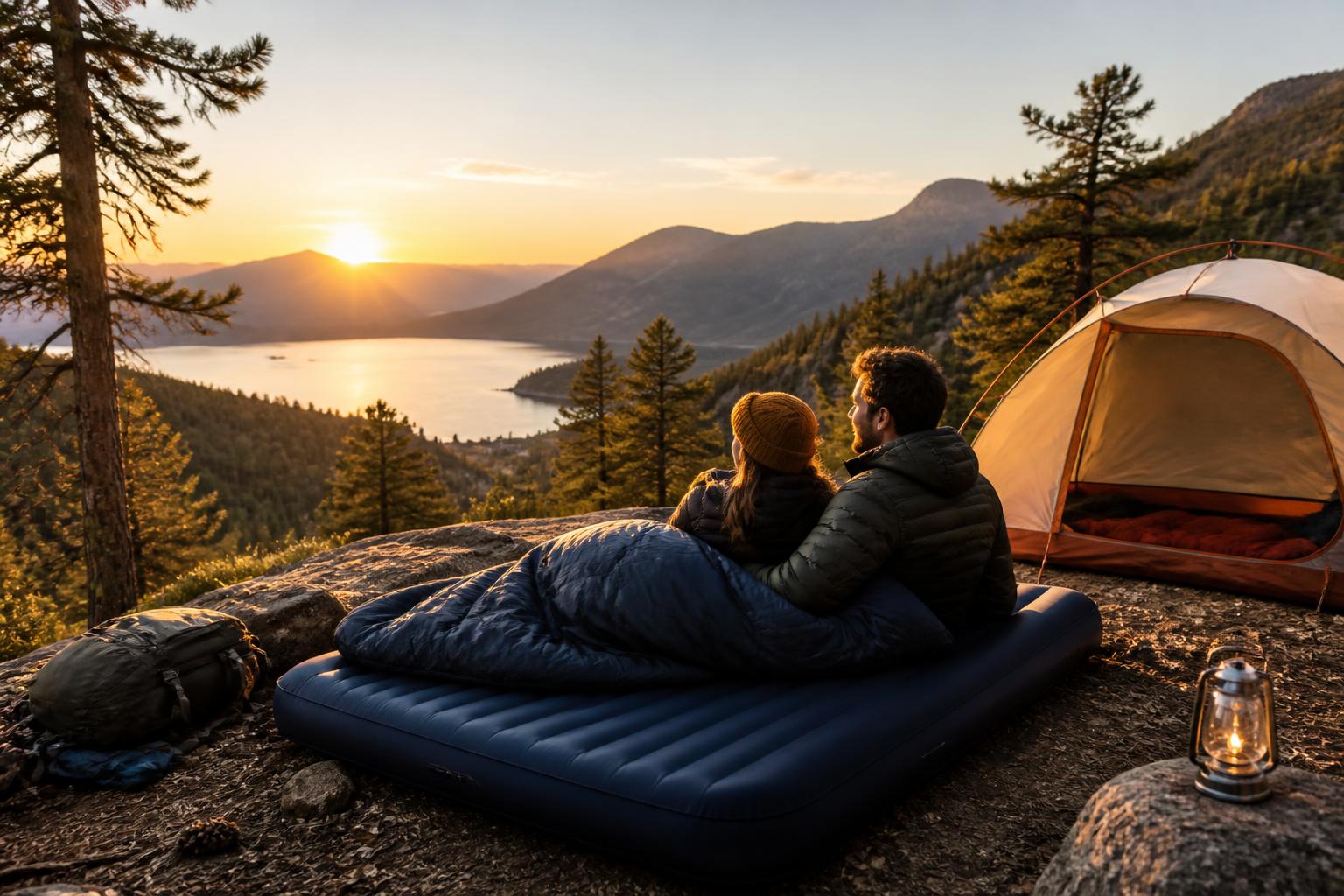
Quick answer
Buy a single double-wide sleeping pad (at least 50 inches wide) for car camping and a two-pad coupling system with anti-slip connectors for backpacking. Avoid gimmicky “cuddle pads” that are only 40 inches wide—you’ll both fight for space. The real trade-off is warmth versus weight: thicker pads insulate better but weigh significantly more.
Practical implication for your next move: If you currently own two separate pads and are considering a double pad, don’t rush to replace them. A coupling kit with decent straps and a foam layer underneath can solve the valley problem for about $20–40 total—far cheaper than a new $150+ double pad. Only spring for a dedicated double-wide pad if you plan to use it for at least 10 trips per season or if you’re buying from scratch.
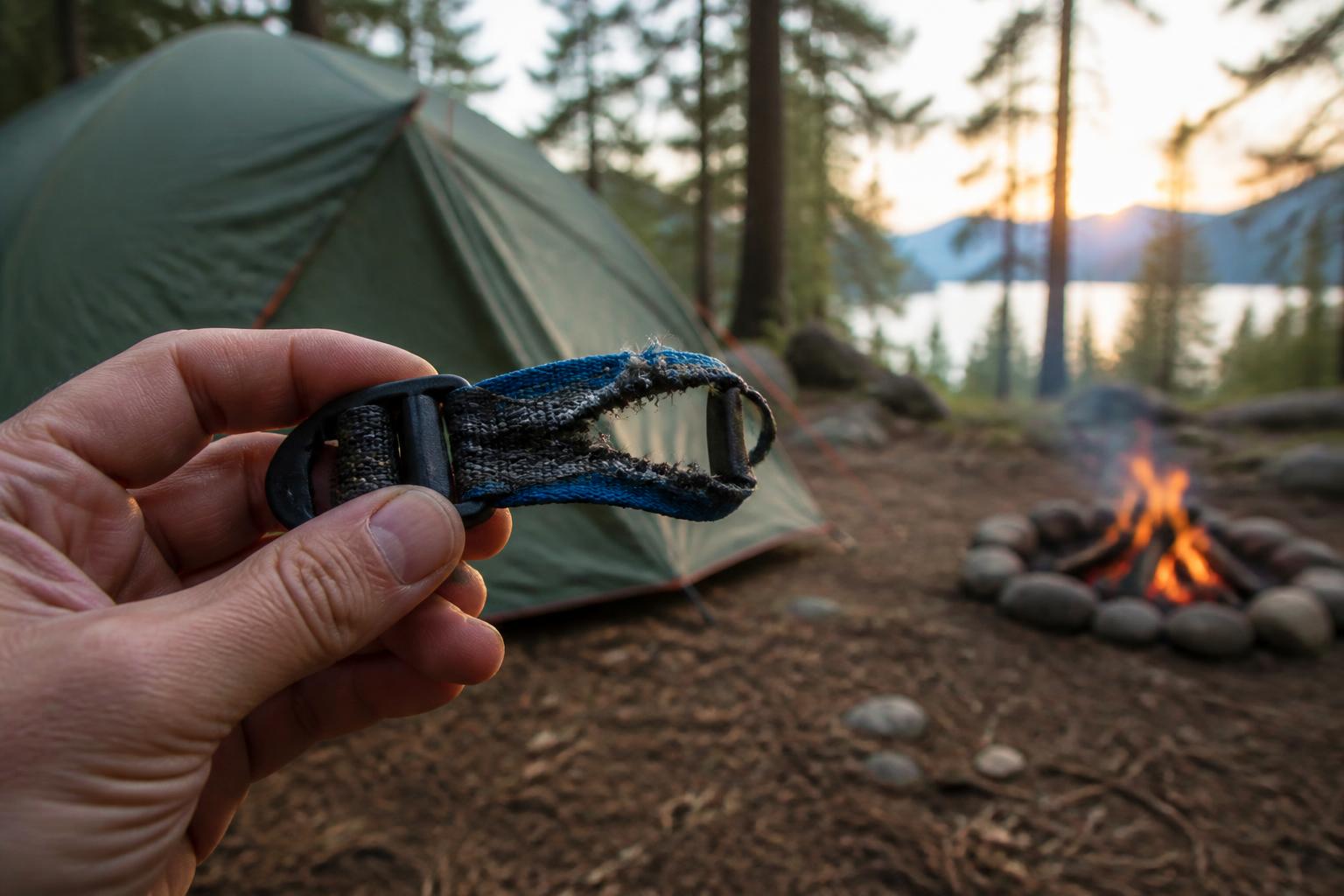
How double pads fail (and what to check first)
The valley problem is simple physics. Two separate pads shift apart as you move. A single wide pad can sag if it lacks internal baffling. Here’s how to catch it early:
Use this 5-point check before you order or buy in-store:
- Center support test: Push down on the center of the pad at full inflation. Does it bottom out? If yes, expect cold spots.
- Edge seal check: Double pads have a welded seam down the middle. Hold it up to light and look for pinprick gaps.
- Coupling mechanism: For two-pad sets, do the straps actually lock or just overlap? Overlap-only systems slip overnight.
- Width measurement: Lie on half the pad. Can you comfortably keep your arms inside the edges? If not, it’s too narrow.
- Valve placement: Are valves offset so you can push them to the side? Center valves dig into your back.
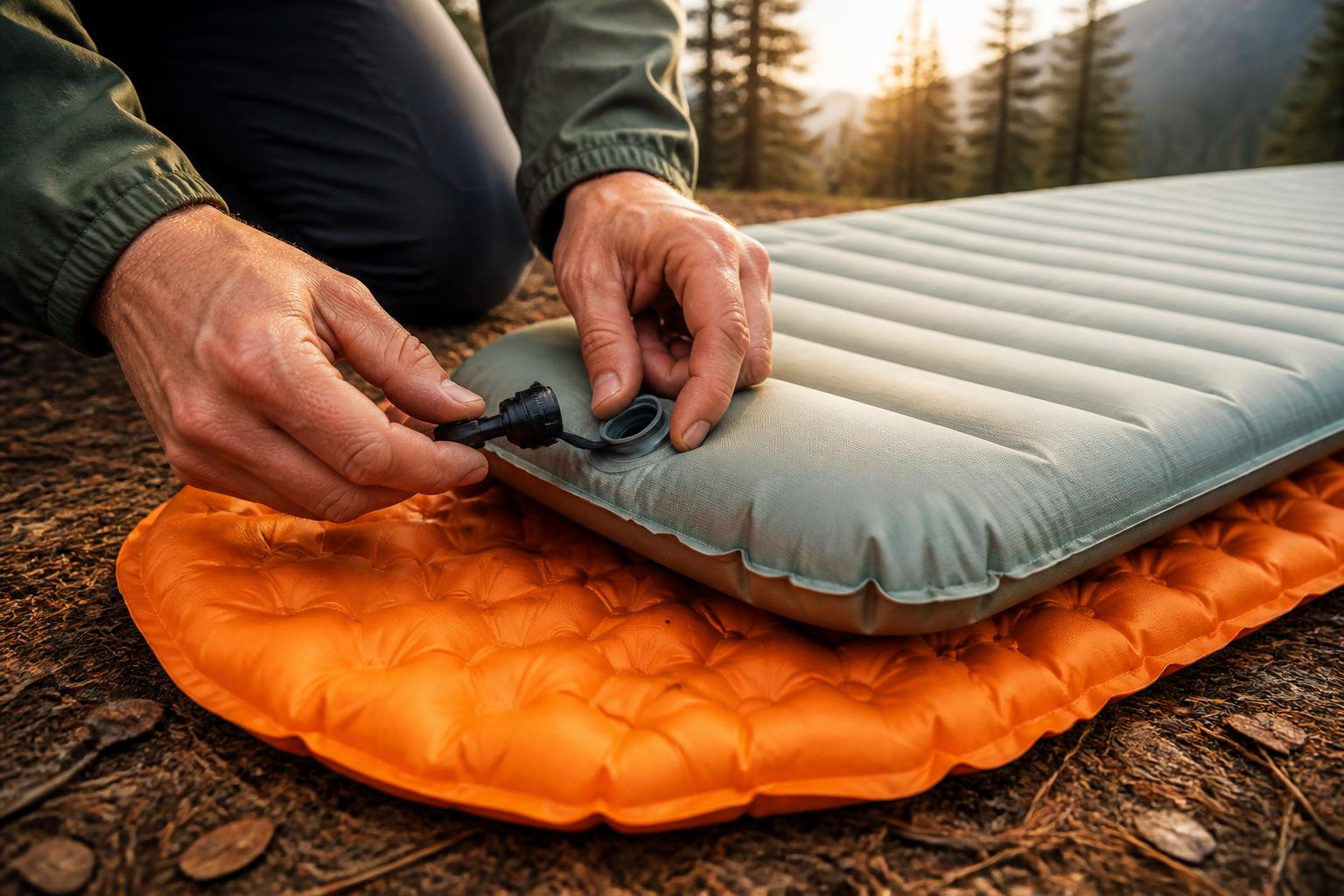
Verification step you can do in-store or at home: Fully inflate the pad on a flat floor. Have your partner lie centered on their half while you lie on your half. Slide your hand under the pad’s midline between you. If you can easily slide your palm flat through the gap or feel a dip, the pad’s center support will fail during actual use. A good double pad should keep your hand pinched at the midline—minimal clearance.
How to set up a double pad system (operator flow)
Use this sequence to test your setup before your first real trip:
Early checkpoint: Inflate the pad fully and have your partner lie on it while you observe the center. If their hips or shoulders touch the ground through the pad, stop—this pad won’t work for two people.
Ordered action steps:
- Inflate to firm—then let out one quick breath worth of air. Double pads with two sleepers need slightly softer pressure to reduce bounce transfer.
- Align the coupling straps (if using two pads). Tighten evenly, not one side tight and the other loose, or the pads will canoe apart.
- Add a foam pad or blanket underneath in cold conditions. A closed-cell foam layer stops conductive heat loss where two pads meet.
- Sleep with heads at opposite ends if the pad is exactly 50 inches wide. This redistributes weight more evenly.
Friction point: If your pad has horizontal baffles, you’ll feel your partner roll like a wave. Vertical baffles reduce this.
Escalation signal: If you wake up with one hip on the tent floor, your pad’s center support has failed for this load. Upgrade to a pad with vertical or multi-layer baffles.
Success check: After one full night, both partners should feel no cold spots on their back or sides, and the pad should still be at 80%+ inflation.
Comparison framework
The options split into two categories: single extra-wide pads (one person-sized rectangle, just wider) and two-pad coupling kits (two separate pads that attach). The table below covers the top-performing sleeping bags that pair well with any double pad.
| Product | Type | Key Feature | Best For | Typical Weight |
|---|---|---|---|---|
| Teton Mammoth 20° Double Sleeping Bag | Pair with any wide pad | Full double bag design, compression sack included | Car camping with a partner who wants one bag | Heavy (packable with sack) |
| MEREZA Double Sleeping Bag with Pillow | Pair with any wide pad | XL queen size, all-season, built-in pillows | Cold-weather couples camping | Moderate |
| KingCamp Double XXL Flannel Bag | Pair with any wide pad | Flannel lining, waterproof, 2 pillows | Budget-conscious couples, mild weather | Lightweight |
These bags all work with a double-wide pad underneath. If you already own two separate pads, the Teton Mammoth bag’s wide cut helps mask the valley gap. If you’re buying from scratch, get a single wide pad (see picks below) and pair it with your preferred bag.
Top Pick: Teton Mammoth 20° Double Sleeping Bag—it’s warm, includes a compression sack, and the generous width forgives narrower pads. Check price at Amazon
Best-fit picks by use case
For car camping: single wide pad (50–60 in. wide)
Look for a model with vertical baffles and a minimum R-value of 4.0. The wider the pad, the fewer complaints about the valley. Stack a closed-cell foam pad underneath for extra warmth and puncture protection. Brands like Exped, Therm-a-Rest, and Nemo make dedicated double-wide models.
Trade-off to accept: Heavy and bulky. You won’t backpack with it.
For backpacking: two-pad coupling kit (each pad 20–25 in. wide)
Choose pads that include male-to-female side straps rather than just velcro or overlapping flaps. Straps with a buckle that clicks shut hold alignment better through the night. Each partner can also use their pad solo on separate trips.
Trade-off to accept: Even with good straps, a slight valley can form. Put a lightweight foam pad (like a Z Lite) under the gap zone.
For winter camping: thick double pad (3.5 in. or more)
Cold ground pulls heat fast. A pad with 4-inch thickness and multi-layer insulation (not just one layer of foam) keeps both of you warm. Look for R-value of 5.0 or higher. Expect to pay more and carry an extra pound.
Trade-off to accept: Higher cost and longer inflation time. Bring an inflation pump bag.
Trade-offs to know
- Weight vs. warmth: Every inch of thickness adds roughly 8–12 oz. A 4-inch double pad weighs 3–4 lbs. If you share the carry, it’s manageable, but don’t expect ultralight performance.
- Coupling straps vs. single pad: Straps can slip. A single pad eliminates the valley but forces you to both use the same inflation level (some want firm, others soft).
- Vertical baffles vs. horizontal baffles: Vertical baffles (aligned head-to-toe) reduce roll transfer. Horizontal baffles make the pad conform better to ground contours but amplify partner movement.
- Rectangular vs. mummy shape: Rectangular pads work for couples because you can sleep at opposite orientations. Mummy-shaped double pads are rare and often too narrow for two full-sized adults.
Realistic mismatch scenario: If one partner is a restless side-sleeper and the other is a still back-sleeper, a single wide pad with horizontal baffles will transfer every roll. The side-sleeper will feel the back-sleeper’s movement as a wave under their spine. In this case, two separate pads with a coupling system is actually the better choice—each partner gets independent movement isolation, and the coupling straps prevent full drift.
Related questions
Can I just push two single pads together without a coupling system?
Yes, but they will drift apart within an hour. A flat foam pad or tent footprint underneath helps keep them aligned, but dedicated straps are far more reliable.
What R-value do we need for three-season couple camping?
An R-value of 3.0–4.0 is sufficient for most three-season use. Below 3.0, you’ll feel ground cold by early morning, especially if you’re side-sleeping near the pad edge.
How much width do two people actually need?
At least 50 inches total, ideally 54–60 inches. Standard single pads are 20–25 inches wide—two of those give 40–50 inches, which is tight. Go wider if either partner is over 6 feet tall or broad-shouldered.

Camping Bob has spent over 20 years camping across the US — from BLM dispersed sites in the Southwest to KOA campgrounds in the Pacific Northwest. He writes practical, no-nonsense guides to help fellow campers get outdoors with confidence.