
How to Treat Mosquito Bites: Fast Relief & Infection Prevention
The moment you feel that telltale itch, clean the bite with soap and water, apply a cold pack for 10 minutes, and reach for an anti-itch cream containing 1% hydrocortisone or pramoxine. That combination stops the itch quickly and reduces the urge to scratch — your single biggest risk for turning a minor bite into a skin infection. Follow the steps below, and you’ll have the bite under control within minutes.
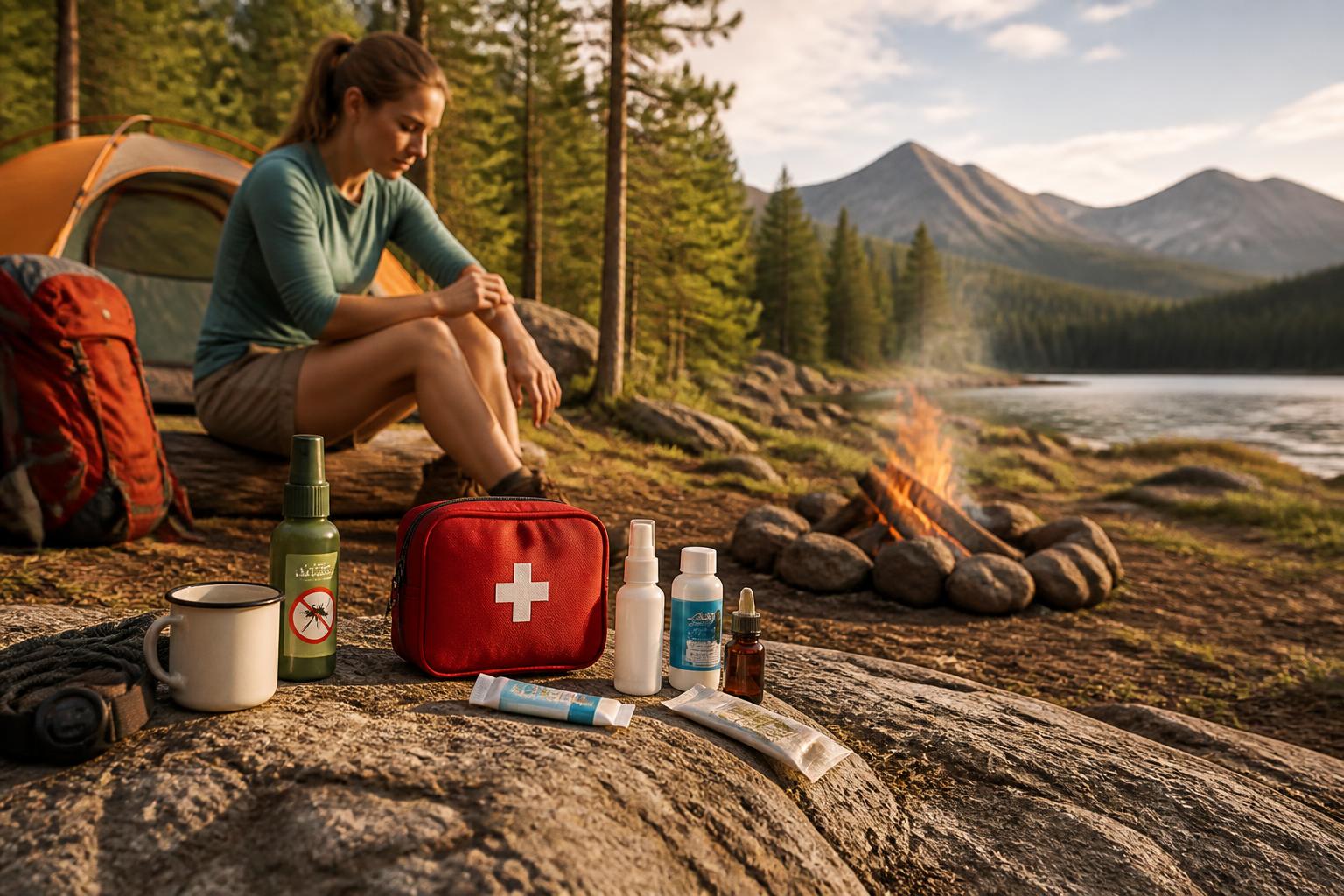
What You’ll Need for Fast Relief
Gather these four items before you start — they cover the entire treatment window from the first wash through the next 24 hours.
- Mild soap (fragrance-free works best)
- Cold pack (or a bag of frozen peas wrapped in a thin cloth)
- Anti-itch cream — either 1% hydrocortisone, a pramoxine-based product, or a combination cream
- Bandage (lightweight fabric or adhesive bandage)
If you have sensitive skin or are treating a child, a plant-based option like Hello Bello Kids Soothing Itch Stick, 0.5 oz (with calendula and peppermint oils) can provide relief without steroids.
Step-by-Step: Treating a Mosquito Bite
Act within the first few minutes to keep the reaction manageable and lower infection odds.
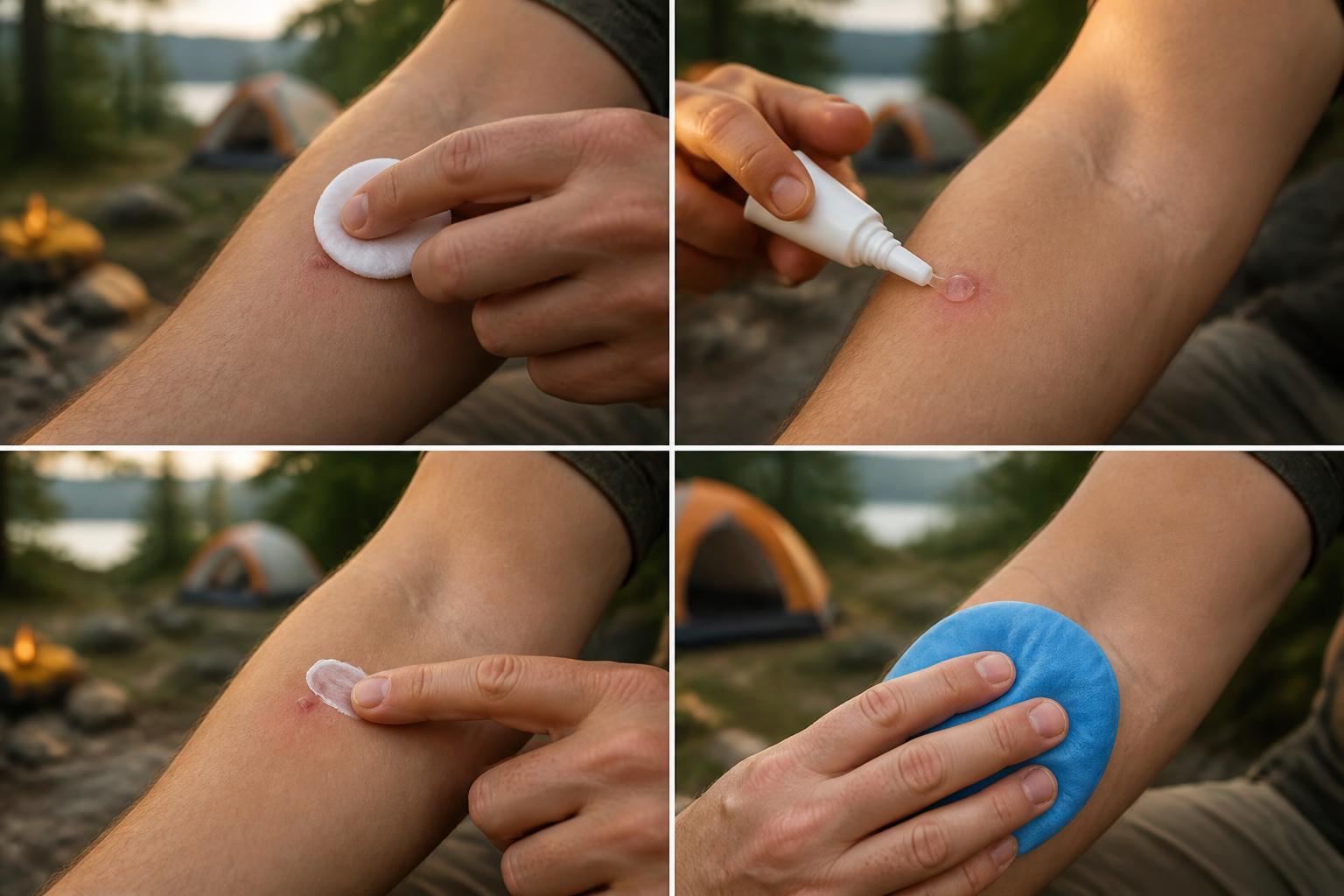
- Wash the bite with mild soap and cool water for 15–20 seconds. This removes mosquito saliva and bacteria that could enter through scratches later.
- Apply a cold pack (wrapped in a thin cloth) directly to the bite for 10 minutes. Cold numbs nerve endings and shrinks the bump. Repeat every 2–3 hours if the bite still feels hot or swollen. Never put ice directly on skin.
- Apply anti-itch cream in a thin layer. Rub it in gently — don’t slather. For moderate to severe itch, use a 1% hydrocortisone cream. For immediate numbing without steroids, a pramoxine-based cream works well. If you need both, a combination cream like Perrigo Hydrocortisone-Pramoxine 1%-1% Cream (available OTC as a 30g tube) covers both anti-inflammatory and anesthetic action in one application.
- Cover the bite with a lightweight bandage or a thin layer of cream that dries to a barrier. This stops you from scratching unconsciously, especially while sleeping. Avoid heavy ointments that trap moisture.
If the bite is on an eyelid, near the mouth, or covers a large area (like the entire forearm), skip home treatment and call your doctor — swelling can be more aggressive in those zones.
How to Confirm the Bite Is Healing Right
Most bites should start calming down within 12 hours. Use these two concrete checks to confirm you’re on track.
At 12 hours (before bed):
– Wash the bite again with soap and water.
– Reapply anti-itch cream in a thin layer.
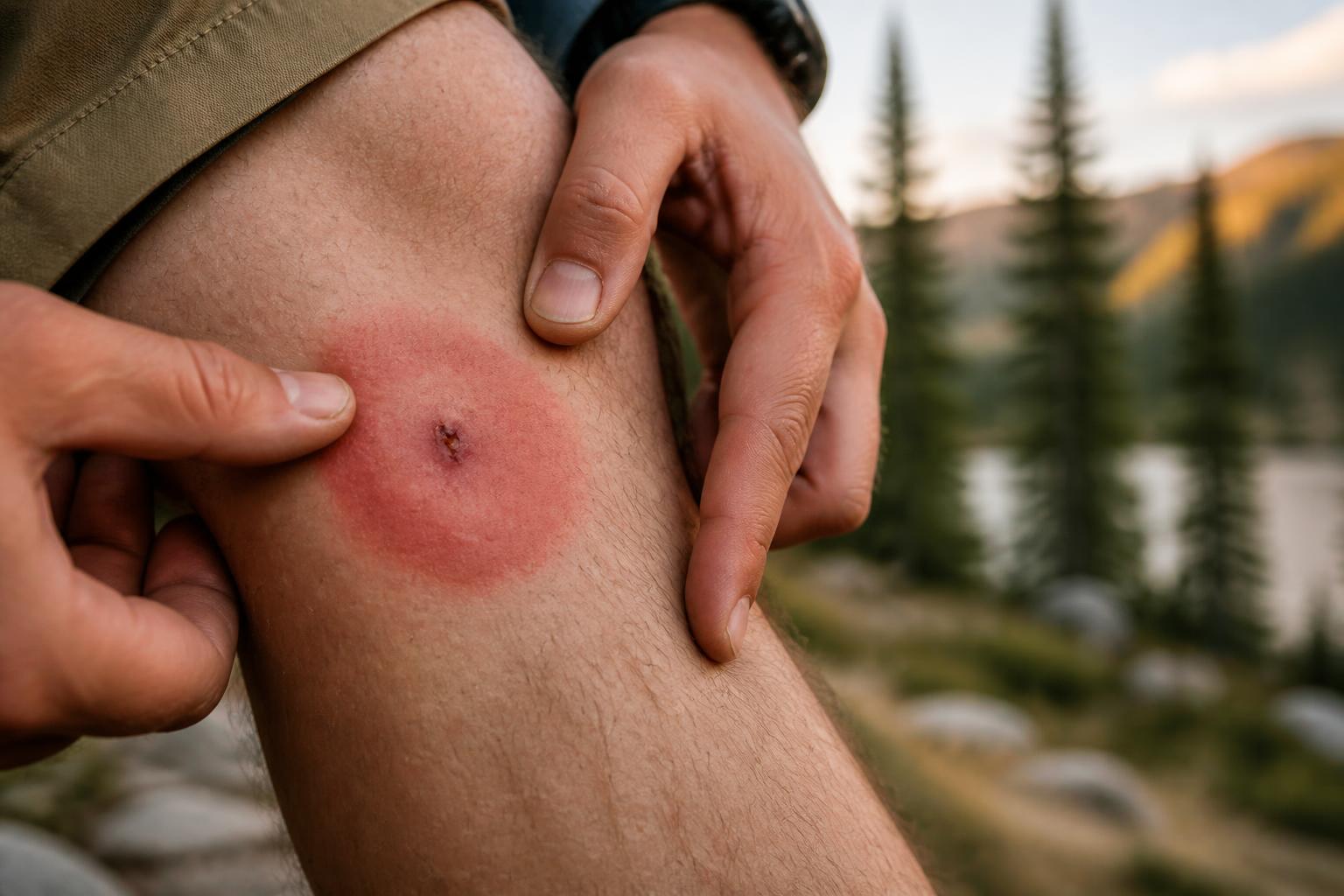
– Check the redness: it should be no larger than a quarter. If it’s spreading, draw a pen mark around the edge and note the time. If the redness has expanded past the mark by morning, you need to escalate care (see “When to Stop Home Treatment” below).
At 24 hours (next day):
– Look for these signs of normal healing: the bump is flatter, the itching is less intense, and the redness has not spread.
– If you see any of these instead, stop using hydrocortisone (steroids can worsen infection) and switch to an antibiotic ointment:
– Redness has spread beyond the original bite outline.
– The bite area feels warm or hot to the touch.
– Yellow or greenish pus is present, or a crust has formed.
– The bite is still painful (not just itchy).
Successful verification at both checkpoints means the bite is likely to heal without complications within 3–4 days.
The One Mistake That Turns a Bite Into an Infection
Scratching is the single largest preventable cause of infection. Here’s how it happens: you scratch a mosquito bite with dirty fingernails, which traps Staphylococcus aureus bacteria under the nail bed. The scratch breaks the skin’s outer layer, giving bacteria a direct entry point. Within 12–24 hours, the bite changes from a red bump to a warm, oozing lesion — impetigo or cellulitis.
A real-world failure pattern: You wake up at 2 a.m. scratching unconsciously. By morning the bite is raw, weeping clear fluid, and the redness has doubled. Your first instinct is to apply more hydrocortisone, but that makes the infection worse because steroids suppress the immune response needed to fight bacteria.
Safer next move: If you wake up to a scratched-open bite, wash it immediately with soap and water, apply an antibiotic ointment (like bacitracin or Neosporin), and cover with a bandage. Do not use hydrocortisone on broken skin. Keep the area dry and check again in 12 hours. If redness is still growing, see a doctor.
Choosing the Right Anti-Itch Cream
Not all creams work the same way. Your choice depends on the severity of the reaction and your skin type.
| Product Type | How It Works | Best For |
|---|---|---|
| 1% Hydrocortisone cream | Suppresses the immune response that causes swelling and itch | Moderate to severe itch; use no more than 7 days straight |
| Pramoxine-based cream | Topical anesthetic that numbs the skin | Immediate itch relief without steroids; safe for larger areas |
| Combination (hydrocortisone + pramoxine) | Both anti-inflammatory and numbing | When you need both fast relief and swelling control |
For standard mosquito bites, Cortizone 10 Maximum Strength Intensive Moisture Anti-Itch Cream (1% hydrocortisone with moisturizers) is a reliable first-line choice. If you have a history of allergic reactions or bites that blister, the prescription-strength combination cream gives you both ingredients in one application.
When not to use hydrocortisone: If the bite is already infected (red, oozing, hot), steroids can make the infection worse. Stick to antibiotic ointment or pramoxine alone until the infection clears.
Quick Decision Aid for Mosquito Bites
Use this short check the next time you’re bitten. Each item is a pass/fail step — if you miss any, your risk of infection goes up.
- [ ] Washed bite with soap and water within 5 minutes.
- [ ] Applied cold pack for 10 minutes (repeat every 2–3 hours if still itchy).
- [ ] Applied anti-itch cream (hydrocortisone, pramoxine, or combination) in a thin layer; did not use on broken skin.
- [ ] Covered bite with a bandage or lightweight fabric to prevent scratching.
- [ ] Marked the edge of redness with a pen at 12 hours and rechecked at 24 hours.
If you can check all five, the bite is under control and likely to heal without complications. If any item is missing (especially the washing step), the risk of infection rises.
When to Stop Home Treatment and See a Doctor
Most mosquito bites resolve on their own within 3–4 days. Stop home treatment and call your doctor if:
- Redness continues to expand after 24 hours despite washing, cold, and cream.
- You develop a fever over 100.4°F, chills, or swollen lymph nodes near the bite.
- The bite site is still painful or draining after 72 hours.
- You experience hives, difficulty breathing, or swelling of the lips/tongue — this signals a severe allergic reaction and needs emergency care.
That’s the clear stop threshold: if any of these signs appear, home treatment is no longer enough. For everyone else, the four-step sequence above is sufficient. Clean it, cool it, cream it, and leave it alone.
Frequently Asked Questions
Can I use toothpaste or baking soda on mosquito bites?
Toothpaste and baking soda have no proven benefit and can irritate sensitive skin. Stick to cold compresses and approved anti-itch products.
How long does it take for a mosquito bite to stop itching?
With proper treatment, the worst itch usually fades within 24–48 hours. Without treatment, itching can last 3–5 days.
Is it safe to pop a mosquito bite blister?
No. Popping a blister breaks the skin barrier and invites infection. Let it heal on its own, and keep the area clean and covered.

Camping Bob has spent over 20 years camping across the US — from BLM dispersed sites in the Southwest to KOA campgrounds in the Pacific Northwest. He writes practical, no-nonsense guides to help fellow campers get outdoors with confidence.