
Best Tick Repellents for Humans: Clothing Treatment and Skin Protection
The most reliable tick repellents for humans combine a CDC-recommended active ingredient (DEET, picaridin, or permethrin for clothing) with correct application timing and coverage. For skin, 20% picaridin matches DEET’s tick protection without the greasy residue or strong odor. For clothing, permethrin-treated gear withstands multiple washes and remains effective for weeks.
What this means for your next purchase: You don’t need multiple products. A single 20% picaridin skin repellent plus a 0.5% permethrin clothing spray covers the vast majority of outdoor activities. If you’re covering a family, lotion-based picaridin is easier to apply evenly on kids than spray. If you’re a solo hiker who hates greasy residue, skip DEET entirely. If you only need protection for short yard work or dog walks, oil of lemon eucalyptus works but requires reapplication every 2 hours.

Quick Answer
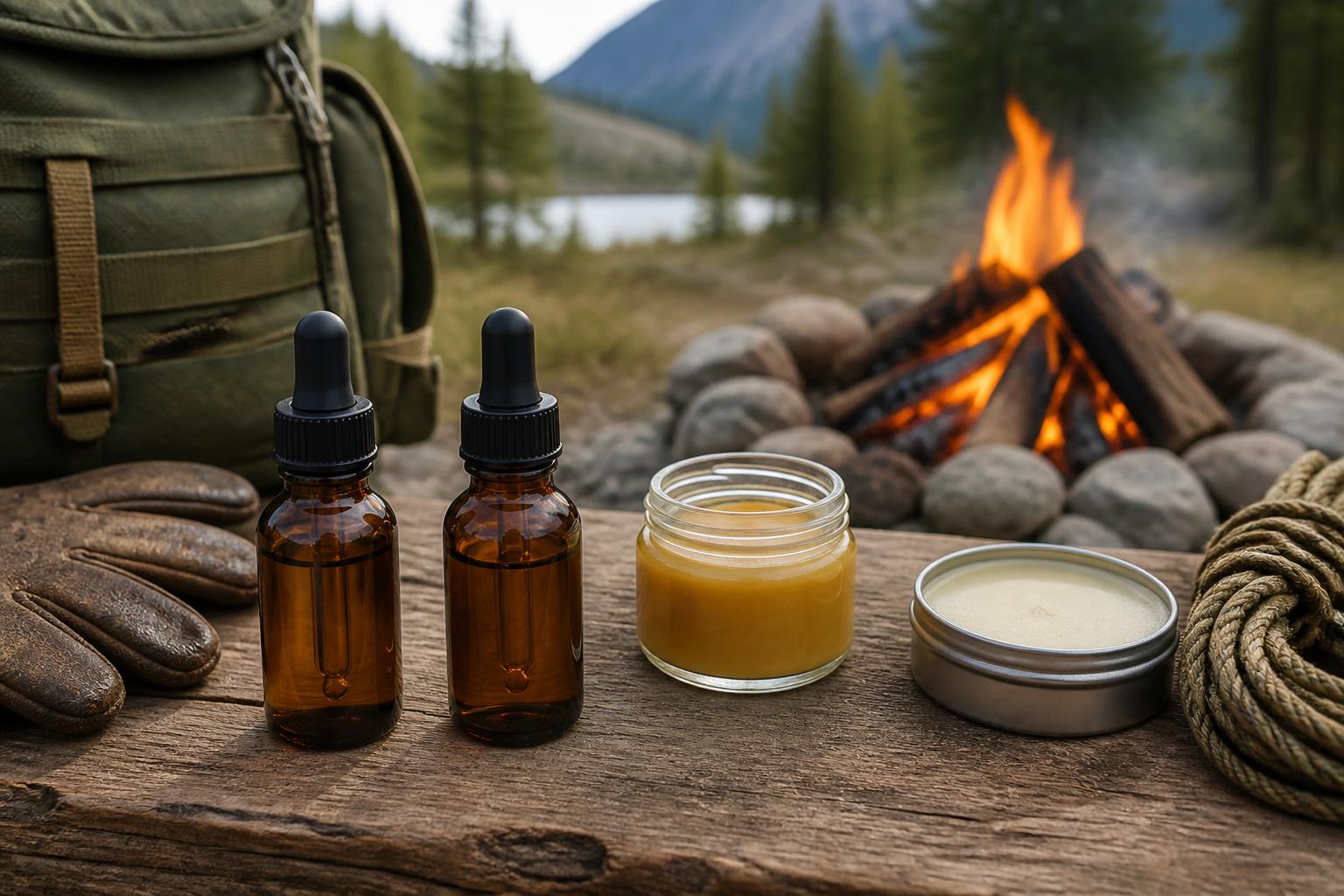
If you need a single go-to for most outdoor activities: a 20% picaridin skin repellent plus a permethrin clothing spray. This combo covers exposed skin and treated fabric, works against ticks and mosquitoes, and avoids the plastic-damaging drawbacks of high-concentration DEET. For short trips under two hours and adults only, oil of lemon eucalyptus (OLE) is a natural alternative but needs frequent reapplication. For children under three, stick with 10–20% picaridin or DEET—OLE is not approved for that age group.
Comparison Framework: Active Ingredients and Products
Active Ingredient Comparison
| Active Ingredient | Typical Concentration | Protection Time Against Ticks | Pros | Cons |
|---|---|---|---|---|
| DEET | 20–30% | 5–6 hours | Gold-standard efficacy, long history of use | Damages plastics/synthetics, greasy, strong odor |
| Picaridin | 20% | 5–6 hours | Comparable to DEET, odorless, non-greasy, safe on synthetics | Slightly shorter protection at lower concentrations |
| IR3535 | 20% | 2–4 hours | Pleasant smell, gentle on skin | Less effective than DEET/picaridin for ticks |
| Oil of Lemon Eucalyptus (OLE) | 30% (PMD) | 2 hours | Plant-based, pleasant scent | Not for children under 3, short duration, needs frequent reapplication |
| Permethrin (clothing only) | 0.5% spray | Up to 6 washes | Long-lasting on fabric, kills ticks on contact | Never apply to skin; requires drying time before wear |
Note: Protection times vary by environment, perspiration, and water exposure. Always follow the label’s reapplication intervals.
Product Comparison: PARA’KITO Mosquito Repellent Bracelet
| Product | Brand | Key Feature | Limitation |
|---|---|---|---|
| PARA’KITO Mosquito Repellent Bracelet + Refill Pellets Bundle | PARA’KITO | Peppermint oil; DEET-free; 2 wristbands + 2 refills | Designed for mosquitoes, not ticks; only localized wrist protection |
Top Pick: The PARA’KITO Mosquito Repellent Bracelet + Refill Pellets Bundle is a solid option if you want a DEET-free, wearable repellent for short-duration outdoor activities where mosquitoes are the main concern. It uses peppermint oil in refill pellets and comes with two wristbands and two refills. However, this bracelet is designed primarily for mosquitoes, not ticks. If ticks are a concern in your area, you cannot rely on this alone—pair it with a permethrin-treated clothing layer or a skin-applied picaridin product. The bracelet also provides only localized protection around the wrist; ticks can still crawl onto ankles, legs, and torso.
Best-Fit Picks by Use Case
Day Hikes Under 4 Hours
Use a 20% picaridin spray on exposed skin. It dries clear, has no odor, and won’t damage hiking-shell zippers or glasses. Pair with long pants and socks lightly sprayed with permethrin if you have them on hand. Before leaving, do a quick verification step: check the label on your permethrin spray bottle for the concentration—it must read 0.5% permethrin (lower concentrations are for garden use and won’t protect against ticks). Also confirm the spray is labeled for clothing treatment, not skin application.
Extended Camping or Backpacking (Multi-Day)
Treat all outerwear and tent mesh with permethrin before the trip (allow 2–4 hours to dry). Carry a 20% DEET or picaridin lotion for reapplication on skin. Permethrin reduces how often you need to respray clothes, and the skin repellent handles the rest of your exposed areas.
Kids and Sensitive Skin
For children 3 months and older, use 10–20% DEET or picaridin. Avoid OLE entirely. Apply the repellent to your hands first, then to the child’s skin—never let them apply it themselves. Stick to lotions rather than aerosols to reduce inhalation risk. A common mismatch: many parents assume a “natural” spray labeled for kids is effective against ticks, but many natural formulas contain no CDC-recommended active ingredients. Always verify the active ingredient and concentration on the back of the bottle.

Quick, Light-Contact Outings (Yard Work, Walking the Dog)
A 30% OLE spray works fine for 1–2 hours. It’s less toxic than DEET and smells like lemons. Reapply after sweating or going past the 2-hour mark. For longer yard sessions, step up to picaridin. Concrete limitation: If you start yard work at 10 a.m. and plan to finish by 2 p.m., OLE protection will expire at noon—you’ll have to stop and reapply mid-task, which is easy to forget. Picaridin lasts the full morning without interruption.
Trade-offs to Know
- DEET vs. Picaridin: DEET is the historical benchmark, but picaridin matches it for tick protection without melting rainjackets or watch bands. If you’re in heavy tick-infested areas for 8+ hours, high-concentration DEET (30%) still holds a slight edge.
- OLE vs. Synthetic: OLE is natural but short-lived. It evaporates faster, especially in heat, and you’ll need to respray every 2 hours. Don’t rely on it for full-day trips.
- Permethrin Is Not a Skin Repellent: A common mistake is spraying permethrin on skin thinking it will repel ticks. It doesn’t—it’s an insecticide that kills ticks on treated fabric. Putting it on skin can cause irritation and it loses effectiveness quickly.
- Alcohol-Based vs. Lotion: Aerosol sprays dry fast but can miss small areas. Lotions give better coverage on limbs and last longer. For tick-prone areas like ankles and behind knees, lotions are easier to apply precisely.
Realistic mismatch example: Suppose you buy a popular DEET-based aerosol (e.g., OFF! Deep Woods) and spray it on your clothes before a hike. After 10 minutes, you notice your watch band feels sticky and starts to crack. The DEET has dissolved the plastic. If you wear a plastic watch or carry a phone in your pocket, DEET can permanently damage the case or screen. Picaridin avoids this entirely. That’s not a minor inconvenience—it can ruin gear worth hundreds of dollars. If you own expensive synthetic outdoor gear, picaridin is the safer choice.
Before You Head Out: A 5-Point Readiness Check
Run through these five checks before you rely on your repellent plan:
- Duration match: Does your repellent’s labeled protection time cover the full outing? If not, pack a reapplication dose.
- Age check: If anyone under 3 is going, OLE is off the table—use DEET or picaridin only.
- Clothing coverage: Are you treating socks, pants cuffs, and shirt cuffs with permethrin? Ticks crawl up from the ground; untreated fabric is the weak link.
- Water/sweat scenario: Will you be swimming, sweating heavily, or walking through wet grass? Water-resistant claims vary—reapply sooner than the label’s max time.
- Synthetic gear check: If you’re using DEET, check that it won’t damage phone cases, watch bands, or rainwear. Picaridin or permethrin avoids this problem entirely.
How to Get the Most Out of Your Repellent (3 Tips)
1. Apply repellent after sunscreen, not before.
Sunscreen needs full skin absorption; repellent sits on the surface. If you apply repellent first, the sunscreen can’t bond properly.
Common mistake: Using a combo sunscreen-repellent product. Most hybrids underperform on both fronts—use separate products.
2. Reapply by the clock, not by feel.
Ticks don’t announce when protection fades. Set a timer or phone reminder for the label’s reapplication interval (e.g., every 4 hours for 20% picaridin). Sweating or wiping your face with a towel removes product faster.
Common mistake: Assuming “water-resistant” means you can swim and still be protected. After toweling dry, reapply even if the label says 6 hours.
3. Treat clothing 24 hours before you wear it.
Permethrin needs time to bond with fabric fibers. Spray evenly on the outside of pants, shirt, socks, and hat, then let them dry completely in a well-ventilated area away from direct sun. You can wash them three to six times before re-treatment is needed.
Common mistake: Spraying permethrin on skin “just in case.” It’s an insecticide, not a repellent—and it can cause mild skin tingling or rash.
Verification step: To confirm your permethrin treatment is still active, check the label on the bottle for the number of washes it survives (usually 6 for 0.5% spray). Also, after treatment, do a quick patch test on an inconspicuous area of fabric to ensure the spray won’t leave a lasting stain. Permethrin dries clear, but some formulations can discolor dark fabrics if over-applied.
Related Questions
Does DEET work better than picaridin for ticks?
Head-to-head field studies show 20% picaridin and 20% DEET offer nearly identical protection against deer ticks for 5–6 hours. DEET has a longer track record, but picaridin is less irritating and more gear-friendly. For most people, picaridin is the smarter first choice.
Can I use permethrin on my skin to repel ticks?
No. Permethrin is a contact insecticide meant only for clothing and gear. Applied to skin, it provides minimal tick protection and can cause skin irritation. Use DEET, picaridin, or OLE on skin instead.
Is oil of lemon eucalyptus safe for kids?
The CDC recommends against using OLE on children under 3 years old. For older children, it can be used for short exposure, but reapplication is needed more often than with DEET or picaridin.
How often should I reapply tick repellent during a hike?
Follow the label’s listed reapplication interval. General guidelines: 20% DEET or picaridin every 5 hours, OLE every 2 hours, and permethrin on clothes remains effective through several washes. Reapply sooner if you sweat heavily or get wet.

Camping Bob has spent over 20 years camping across the US — from BLM dispersed sites in the Southwest to KOA campgrounds in the Pacific Northwest. He writes practical, no-nonsense guides to help fellow campers get outdoors with confidence.