
How to Treat Poison Ivy Rash: Home Remedies & When to See a Doctor
The most effective treatment for poison ivy rash starts within 30 minutes of exposure. If you know you touched the plant, immediately wash the area with rubbing alcohol or dish soap and plenty of cool water. This can remove the urushiol oil before it binds to your skin and prevents the rash entirely. If blisters have already appeared, focus on drying the rash and managing the itch with over-the-counter products while watching for signs that need a doctor.
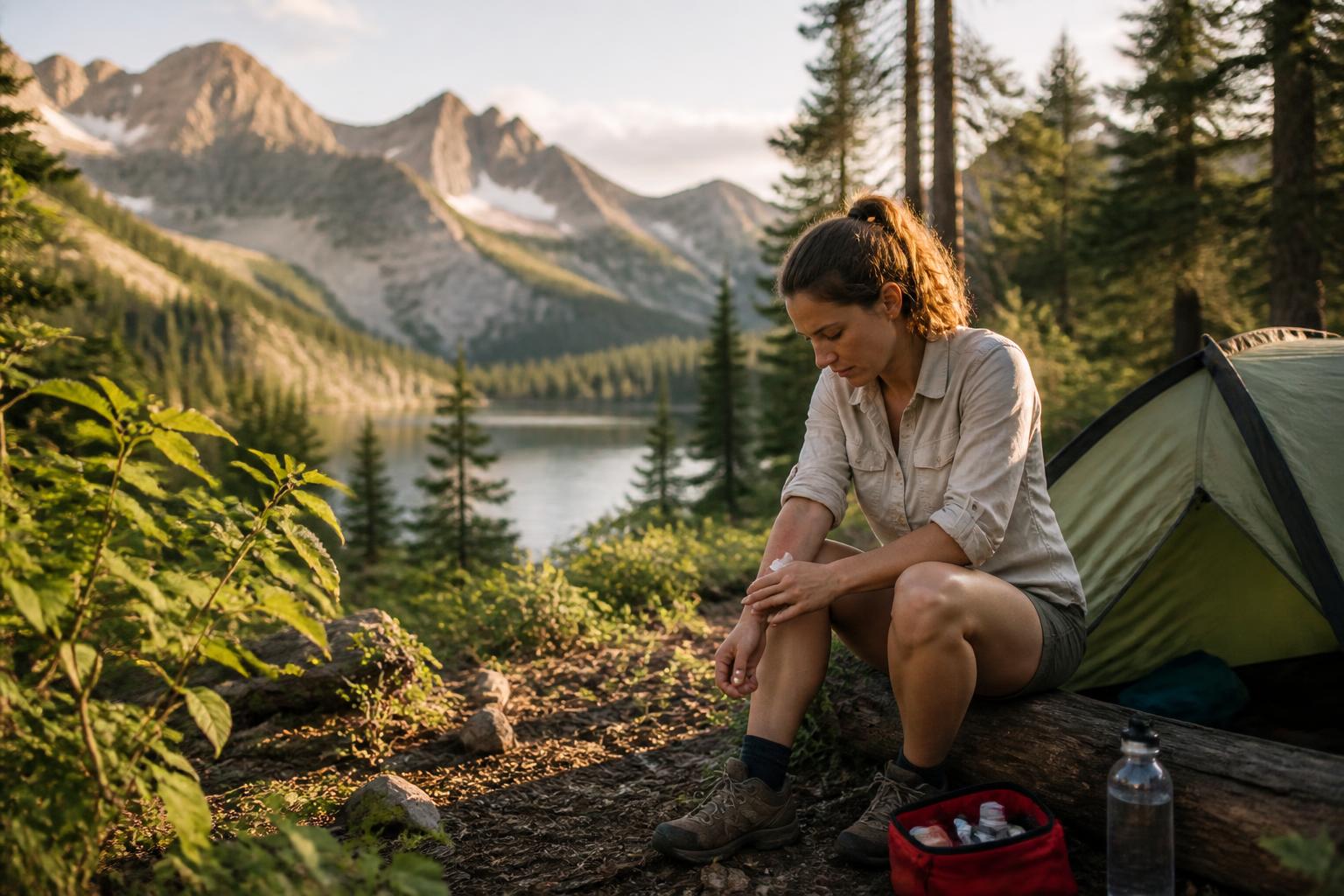
Act Fast — The First 30 Minutes Make the Difference
Urushiol, the sticky oil in poison ivy leaves, stems, and roots, begins binding to skin proteins within minutes. Washing it off quickly is the single best way to prevent or significantly reduce a rash. This window is your only real opportunity to stop the reaction before it starts.
What to use:
– Rubbing alcohol (70% or higher) — breaks down urushiol effectively. Use The Pharma-C Company 70% Isopropyl Alcohol Wipes for convenient single-use application.
– Dish soap — cuts through the oil better than hand soap.
– Cool water — warm water can spread the oil to other areas.
What not to use:
– Hot water — opens pores and can help urushiol penetrate deeper.
– Scrubbing brushes — can damage skin and spread oil.
Wash any clothing, tools, shoelaces, or gear that touched the plant separately with hot water and detergent. Urushiol can stay active on surfaces for months.
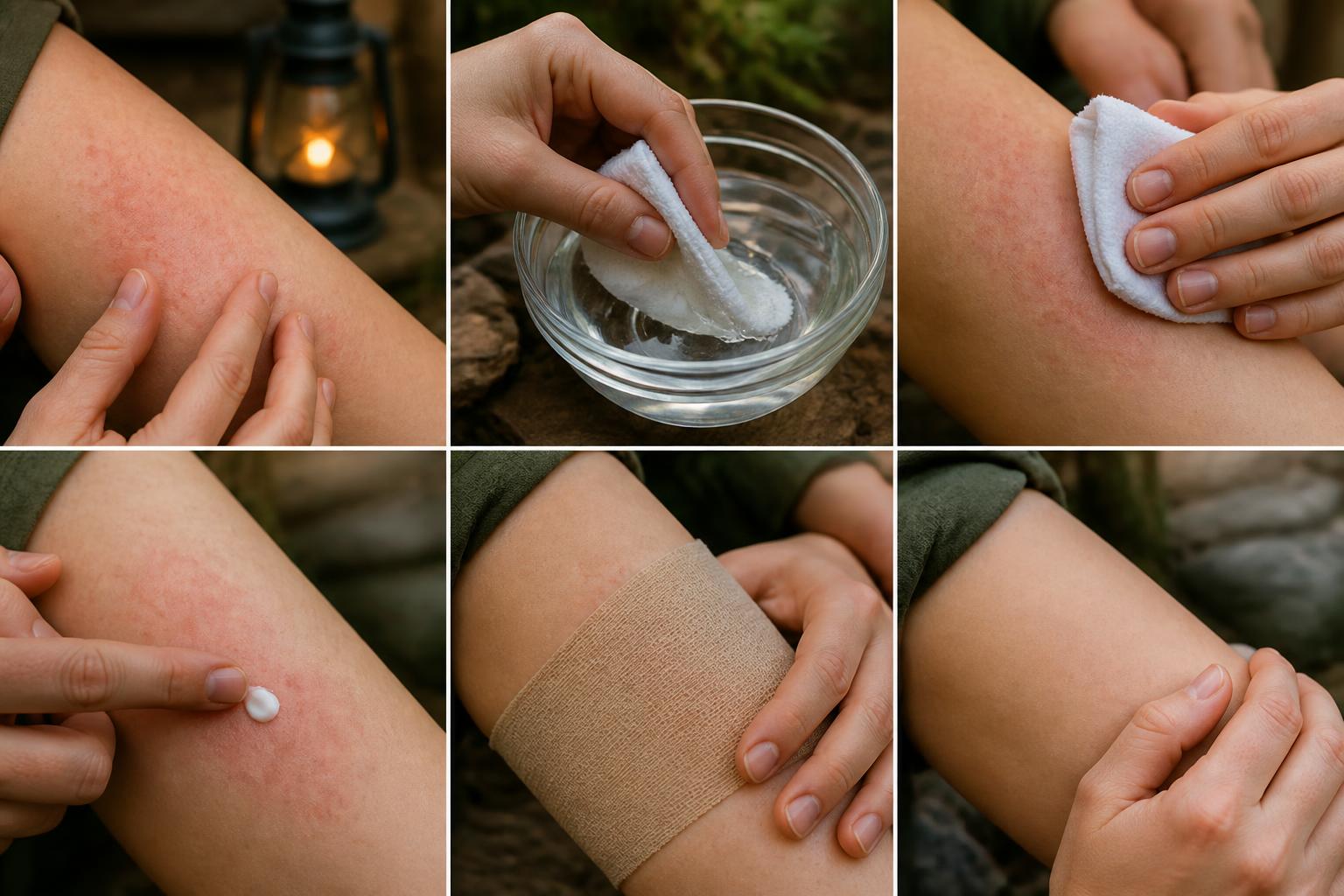
If you missed the window: A rash typically appears 12–48 hours after exposure. At this point, you cannot stop the reaction, but you can manage symptoms effectively at home for mild cases.
Step-by-Step Home Treatment for a Mild Rash
Mild poison ivy rashes — small patches with mild to moderate itching and no oozing — usually clear up on their own in one to three weeks. The goal of home treatment is to dry the blisters, calm the itch, and prevent infection.
What You Need to Do
- Clean the area gently. Use cool water and mild soap once daily. Pat dry — do not rub.
- Apply a drying agent. Calamine lotion or zinc oxide cream helps dry weeping blisters and soothes itching. Apply two to three times per day.
- Use cool compresses. Soak a clean cloth in cool water, wring it out, and hold it on the rash for 15–20 minutes several times a day. This provides immediate itch relief.
- Take an oral antihistamine. Diphenhydramine (Benadryl) can reduce itching and help you sleep if the itch keeps you awake. Use the non-drowsy loratadine (Claritin) during the day if you need to stay alert.
- Try an oatmeal bath. Colloidal oatmeal bath products (like Aveeno) can soothe widespread itching. Soak for 15–20 minutes in lukewarm water, then pat dry.
- Keep fingernails short and clean. If you scratch, you risk breaking the skin and introducing bacteria. Trim nails and wash hands frequently.
Likely Friction Points and Fixes
| Problem | Why It Happens | What to Do |
|---|---|---|
| Rash spreads after washing | You may have touched urushiol on clothing or tools after washing skin | Wash everything that touched the plant again |
| Blisters ooze yellow fluid | Normal part of healing — the fluid does not contain urushiol | Keep the area dry with calamine; cover with gauze if blister breaks open |
| Itch keeps you awake | Histamine release peaks at night | Take diphenhydramine before bed; use a cool compress |
| Rash appears in new spots days later | Uneven exposure timing or different skin sensitivity on those areas | Treat each spot the same way; see a doctor if it keeps spreading after 7 days |
What to Avoid
- Hot showers or baths — heat triggers histamine release and makes itching worse.
- Topical antihistamine creams (Benadryl cream) — can cause allergic skin reactions themselves. Stick to calamine or oral antihistamines.
- Bleach, hydrogen peroxide, or rubbing alcohol on blistered skin — these damage healing tissue and increase infection risk.
- “Tough love” remedies like nail polish remover, gasoline, or bleach. They do not remove urushiol and can cause chemical burns.
When Home Treatment Isn’t Enough — Doctor Visit Checklist
Use this checklist to decide whether you can safely treat the rash at home or need to see a doctor. Answer yes or no to each item.
- Yes / No: The rash is on one small area (smaller than a handprint).
- Yes / No: I have no blisters, or only a few tiny blisters.
- Yes / No: The itching is manageable without disrupting sleep or daily activities.
- Yes / No: The rash is not on my face, genitals, or near my eyes or mouth.
- Yes / No: I have no fever or swelling near the rash.
- Yes / No: I have not had a severe allergic reaction to poison ivy before.
- Yes / No: I do not have a weakened immune system from medications or chronic illness.
If you answered Yes to all seven: Home treatment is appropriate. Follow the steps above and monitor for changes.
If you answered No to any item: Schedule a same-day or next-day doctor appointment.
When to See a Doctor
Most poison ivy rashes can be handled at home, but some cases require prescription treatment. See a doctor within 24 hours if any of the following apply:
- Rash covers more than 10% of your body — roughly the size of one side of your torso or one full arm.
- Rash is on your face, genitals, or around your eyes or mouth. These areas have thinner skin and more severe reactions.
- You have difficulty breathing or swallowing. This is a medical emergency — call 911 immediately.
- Blisters show signs of infection — increasing redness, warmth, swelling, yellow-green pus, or red streaks radiating from the rash.
- The rash does not improve after 7–10 days of home care.
- You have had a severe reaction in the past — the next reaction is often worse.
- You have a weakened immune system from medications or chronic illness.
A doctor may prescribe oral steroids (prednisone) for severe reactions, which can stop the rash in 24–48 hours. Do not stop taking steroids early, even if the rash improves, or it can rebound worse than before.
How to Prevent a Repeat Case
Poison ivy grows as a vine or shrub in wooded areas, along trails, and in overgrown yards. The leaves are grouped in threes with a smooth or slightly notched edge. Every part of the plant contains urushiol, even in winter when the leaves are gone.
Prevention strategies:
– Learn to recognize the plant and avoid it. “Leaves of three, let it be.”
– Wear long pants, long sleeves, and closed-toe shoes when hiking or working in brush.
– Use barrier products like Pike Trail Adjustable Leg Gaiters to protect lower legs from brushing against plants.
– A lightweight Men’s Sun Hoodie Shirt with Mask UPF 50+ provides both sun protection and a physical barrier against plant contact.
– Wash your gear after every outing. Urushiol stays potent on backpack straps, boot laces, and tent stakes for months.
– Do not burn poison ivy — inhaled urushiol particles can cause severe lung inflammation requiring emergency care.
Success check: If you treat a mild rash at home and the blisters dry out within 3–5 days with no signs of infection, your treatment is working. The redness and itch may take another 1–2 weeks to fully fade. If the rash gets worse after the first week or you develop new symptoms, see a doctor.
FAQ
Can poison ivy rash spread from person to person?
No, once the urushiol oil is washed off the skin, the fluid in blisters does not contain urushiol and the rash cannot spread from one person to another. Urushiol can transfer from contaminated clothing or pet fur for several days if not washed.
Does scratching make the rash spread?
Scratching does not spread urushiol, but it can break the skin and introduce bacteria, leading to infection and slower healing.
How long does poison ivy rash last?
A typical mild rash lasts 1–3 weeks. Treatment with calamine, cool compresses, and oral antihistamines helps control symptoms during that time. Severe cases treated with prescription steroids usually improve within 2–4 days but may need a tapered dose over 2–3 weeks.
Is poison ivy contagious after the blisters form?
No. The rash is an allergic reaction to the oil, and once the oil is gone, the rash is not contagious. Blister fluid will not cause a rash on another person.
Can I get poison ivy from my dog?
Yes. Pet fur can carry urushiol oil and transfer it to your skin when you pet the animal. If your dog or cat has been in wooded or brushy areas, wipe them down with a damp cloth or give them a bath before letting them inside.

Camping Bob has spent over 20 years camping across the US — from BLM dispersed sites in the Southwest to KOA campgrounds in the Pacific Northwest. He writes practical, no-nonsense guides to help fellow campers get outdoors with confidence.