
How to Wash Clothes & Gear After Poison Ivy Exposure
Urushiol, the oil from poison ivy, can stay active on fabric for months and cause a rash every time you touch it. Water alone won’t remove it — you need a solvent-based approach. Start by isolating everything that touched the plant, then pre-treat before you go anywhere near the washing machine.
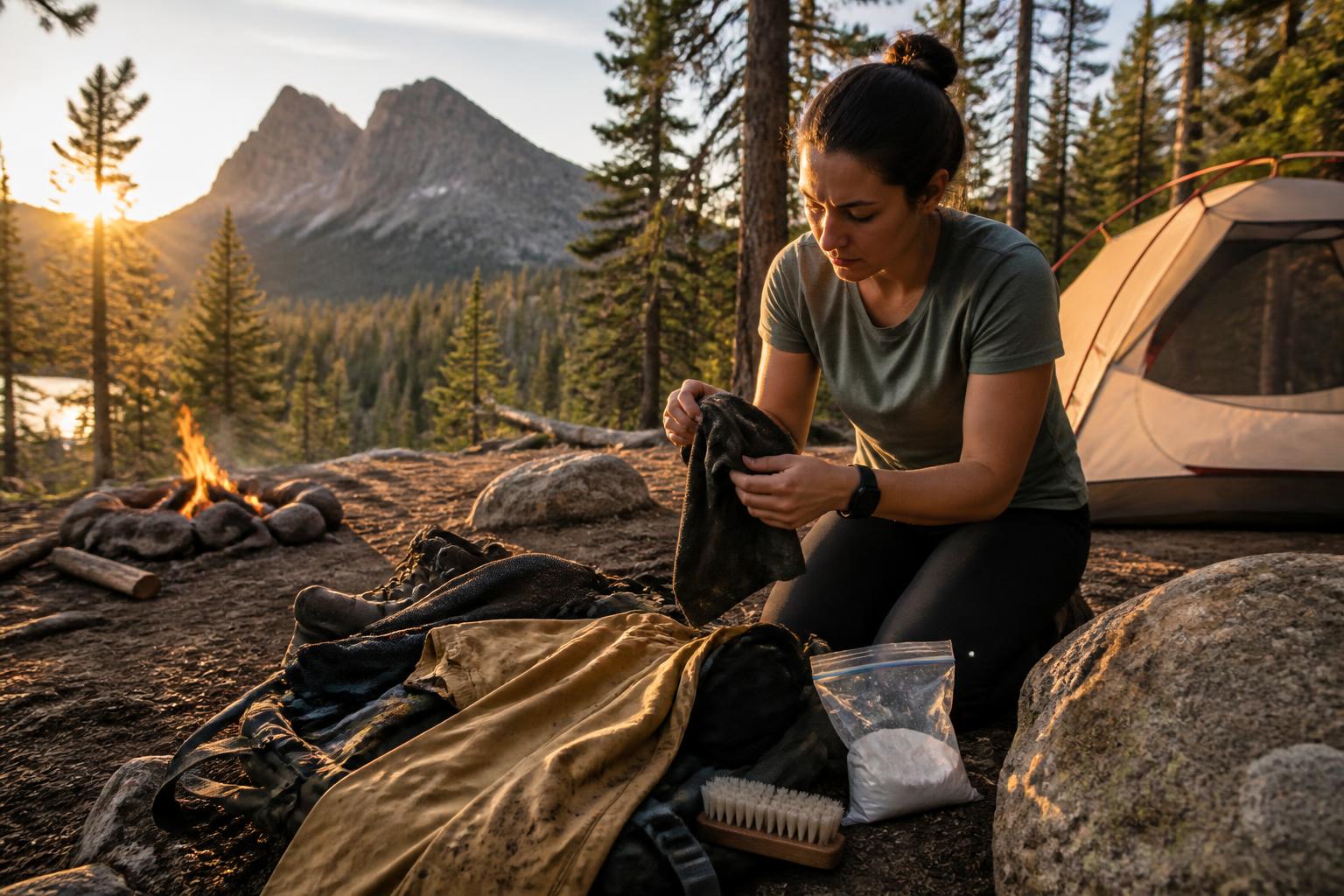
The Counter-Intuitive First Step: Don’t Start With Water
Urushiol is a non-polar oil — water slides right over it and can actually spread the oil to other fabrics or contaminate the machine’s drum. Always pre-treat first.
Before you touch the washer:
– Put on disposable gloves or thick rubber gloves you can sanitize afterward.
– Keep contaminated items away from other laundry, carpets, or upholstery.
– Do not use hot water for the initial rinse — heat can drive the oil deeper into fibers.
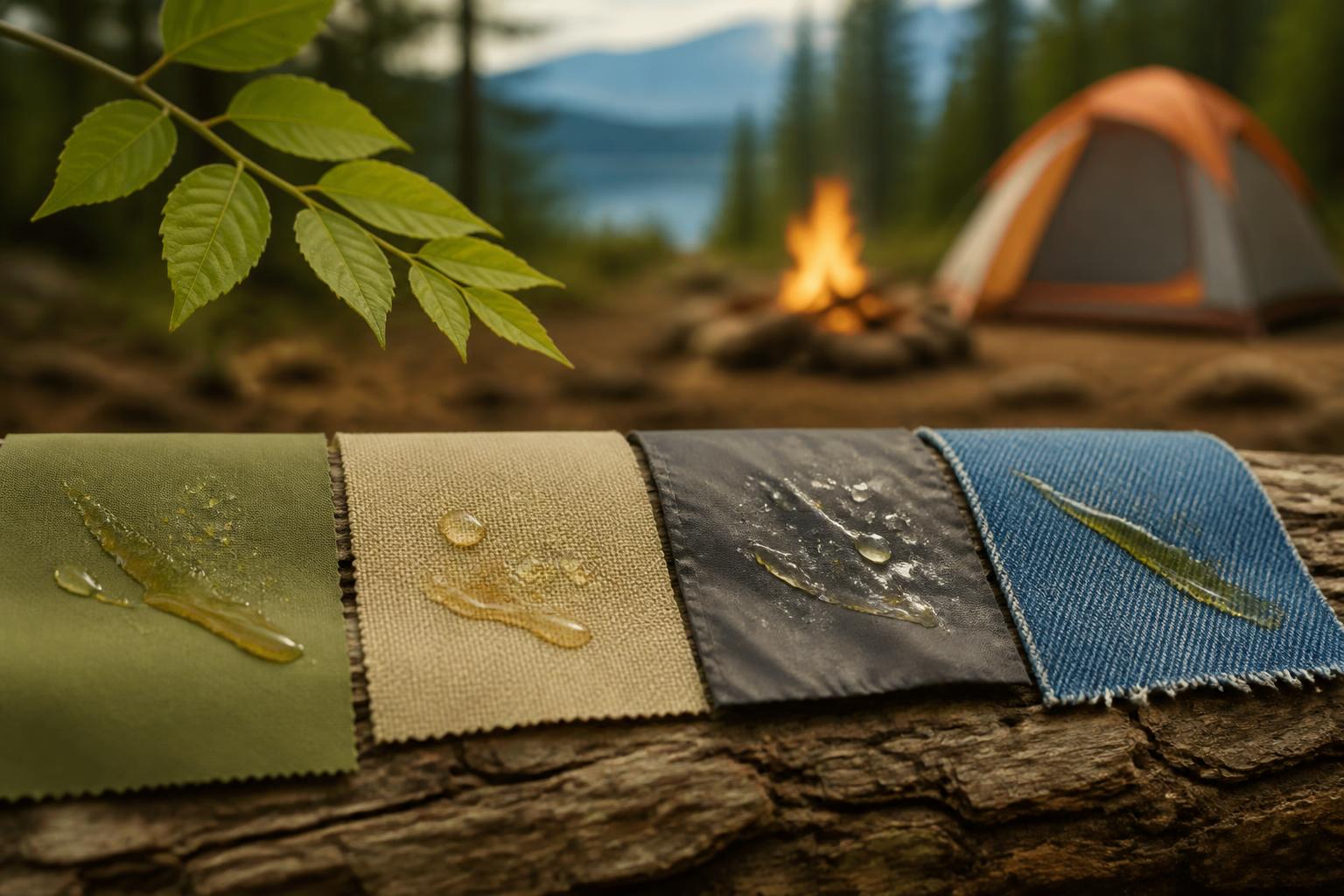
- Work outside or in a well-ventilated area to avoid breathing solvent fumes.
How Urushiol Behaves on Different Fabrics
The material your clothes are made from changes how thoroughly you need to clean them.
- Cotton and natural fibers – These absorb urushiol quickly, making removal harder. Pre-treatment with rubbing alcohol is critical, and you may need two wash cycles.
- Synthetic fabrics (polyester, nylon, spandex) – Urushiol sits more on the surface, so solvent-based wipes work well. But the oil can hide in seams, elastic bands, and zipper tracks. The Men’s Sun Hoodie Shirt with Mask UPF 50+ has a hood and mask area that requires extra attention — the tight weave and mask folds trap oil.
- Rubber, leather, and plastic (boots, gaiters, gloves) – Urushiol stays on the surface and can transfer for years if not cleaned. The Pike Trail Adjustable Leg Gaiters have Velcro and buckles that trap oil — scrub those areas with an alcohol-soaked cloth, then rinse and sun dry.
The Washing Routine – Step by Step
1. Pre-Treat With a Solvent
Pour rubbing alcohol (isopropyl alcohol) or a high-concentration dish soap directly onto visible stains and areas that brushed against the plant. Let it sit for 5–10 minutes to break down the oil. Pay special attention to collars, cuffs, and seams where urushiol collects. Use at least 70% isopropyl alcohol — lower concentrations are less effective.
You can wipe down fabric surfaces with The Pharma-C Company 70% Isopropyl Alcohol Wipes. These let you target small areas like zipper tape and Velcro without saturating the whole garment. For large items like pants or a jacket, you may need a dozen wipes — work from the outside in to avoid recontaminating cleaned spots.
Alternative solvents: Tecnu Original Outdoor Skin Cleanser (it breaks down urushiol and works on fabric too), or full-strength Dawn dish soap. Avoid bleach — it can set the oil and damage synthetic fabrics.
2. Rinse With Cold Water
Rinse pre-treated clothes under cold running water for 2–3 minutes. Cold water keeps the oil from setting and flushes away dissolved residue. Use a utility sink if you have one to avoid contaminating your bathroom sink. Don’t wring the fabric too hard — you can push the oil deeper into fibers.
3. Wash Separately in Hot Water With Heavy-Duty Detergent
Set the machine to the hottest water temperature the fabric can handle (check the care label). Use a heavy-duty detergent — higher enzyme content breaks down organic oils better. Tide Plus Febreze, Persil ProClean, or any detergent labeled “heavy duty” for stains works well. Run an extra rinse cycle. Wash only the exposed clothes in this load — no other fabrics.
If your item has a “cold water only” label (common for some synthetic sun shirts), wash in cold water but extend the wash time to at least 30 minutes and add an extra rinse. The oil removal won’t be as thorough, so you may need a second wash round.
4. Clean the Washer Afterward
Run an empty hot-water cycle with 1 cup of white vinegar or a washing machine cleaner. This removes any residual urushiol that might have transferred to the drum. Skipping this step is a common cause of re-exposure — your next load of towels or underwear could pick up the oil.
For front-load washers: wipe the rubber gasket with rubbing alcohol after the clean cycle. For top-loaders: run a full hot cycle with a cup of baking soda in addition to the vinegar.
5. Dry on High Heat (or Air Dry if Fabric Allows)
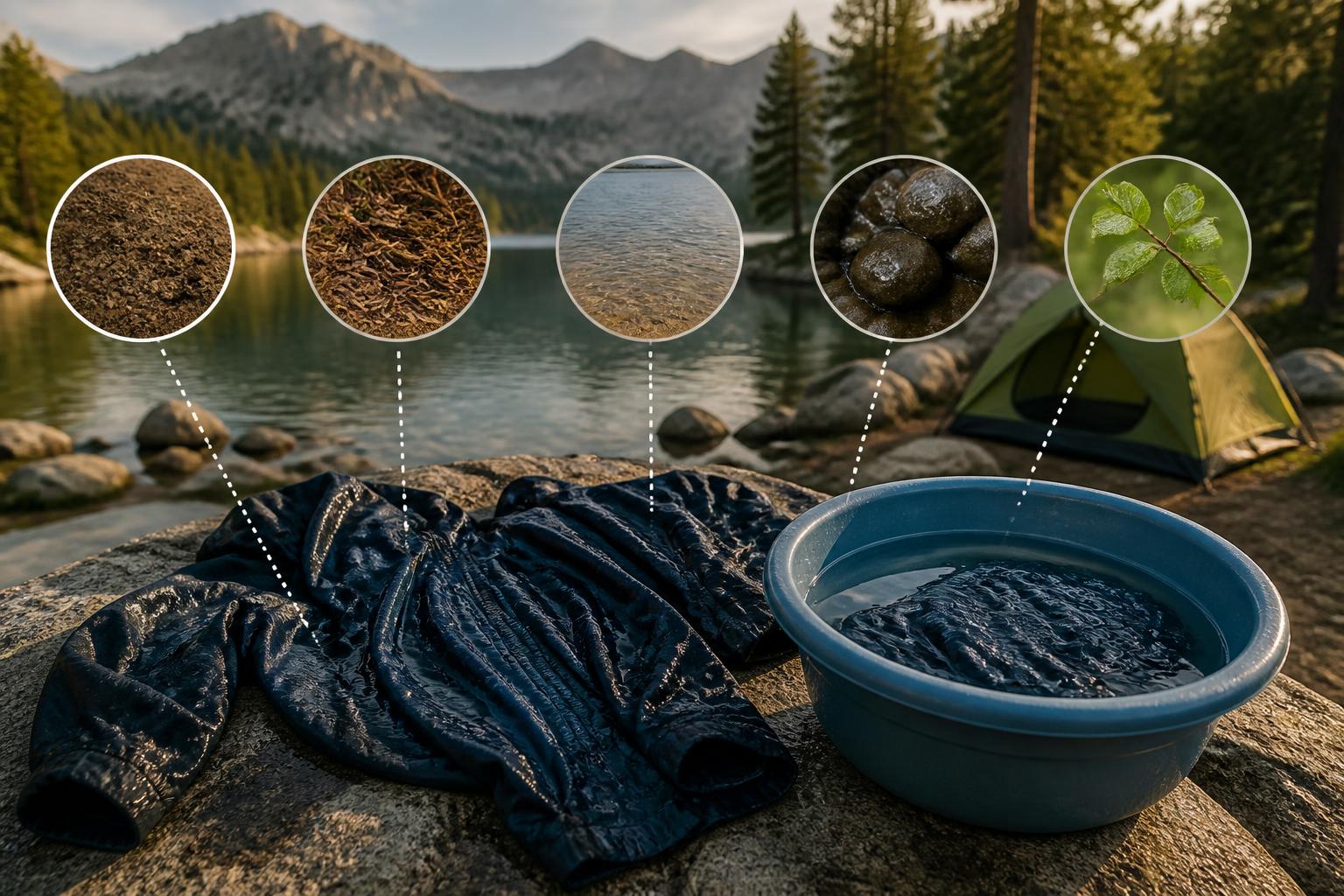
Urushiol can survive cooler drying temperatures. High heat helps break it down further. For delicate items, air dry in direct sunlight — UV light also degrades the oil. If the item still smells like solvent after drying, it’s likely residue-free, but do the test below to confirm. Avoid using dryer sheets during this first dry — they can coat the fabric with wax that traps any remaining oil.
Likely Causes of Re-Exposure After Washing
Even a careful wash can leave traces of oil. Here’s where it hides:
- Zippers, snaps, and Velcro – These tight spaces trap oil that doesn’t rinse out. Scrub them with rubbing alcohol and an old toothbrush. The Pike Trail Adjustable Leg Gaiters have Velcro straps that are easy to overlook — run an alcohol-soaked cloth through the hook-and-loop material in both directions.
- Hoods and collars – The Men’s Sun Hoodie Shirt with Mask UPF 50+ has a built-in mask that can trap oil against your neck. Pre-treat the hood and mask area twice — once with a wipe, wait 5 minutes, then repeat before rinsing.
- Shoes, gloves, and gear – Leather, nylon, and rubber hold oil for months. Wipe down with rubbing alcohol, let sit, then rinse and air dry in the sun. For hiking boots, remove the laces and clean those separately — urushiol can soak into fabric laces.
- Machine contamination – If you didn’t clean the washer after the load, the next batch of laundry can pick up the oil. This is the most common reason people get a second rash after thinking they’ve cleaned everything.
- Backpack straps and hip belts – Foam padding inside shoulder straps can absorb urushiol. If you carried a pack while in poison ivy, wipe down the entire pack with rubbing alcohol, paying extra attention to seams and strap webbing.
Success Check: How to Confirm the Clothes Are Clean
After washing and drying, test a small inconspicuous area: rub it with a white cloth dampened with rubbing alcohol. If any brownish or sticky residue transfers to the cloth, the oil is still there. Wash the item again from step 1.
Also inspect seams, cuffs, and collars by touch — if any area feels tacky or leaves a slick film on your fingers, repeat the pre-treatment on that spot.
For gear with hardware (buckles, zippers), do the white-cloth test on those parts as well. A clean zipper pull should leave no residue. If it does, wipe it again with alcohol and let it dry fully before storing.
When to Replace Instead of Wash
If you’ve washed an item twice using the full routine (pre-treatment, hot water, vinegar clean cycle) and still see residue on the alcohol test, discard the piece. Some fabrics — especially leather, thick synthetic webbing, and porous nylon — can trap urushiol permanently. A new pair of gaiters or a sun hoodie costs less than a week of blistering rash. If you develop a rash again after wearing washed clothes, that’s a clear signal to throw them out.
Also replace gear if the oil has soaked into foam or padding (like backpack shoulder straps or kneeling pads). Those materials are nearly impossible to clean fully, and repeated exposure can lead to severe rashes.
Quick Decision Checklist (5 Items)
- ☐ Did you pre-treat all contaminated items with rubbing alcohol or dish soap before washing?
- ☐ Are you washing only the exposed clothes in this load (no other fabrics)?
- ☐ Did you use the hottest water temperature safe for the fabric?
- ☐ Did you run an empty clean cycle on the washer afterward?
- ☐ Did you clean gear (shoes, backpack straps, gaiters, hoodies) with the same solvent method?
If all five checkboxes are ticked and your alcohol test shows no residue, you can confidently move your clothes back into rotation without spreading the oil. If you ever question it, replace the item.
Urushiol is persistent, but a methodical approach — solvent first, hot wash second, washer clean third — will get you back to rash-free days. Test before wearing, and don’t hesitate to retire gear that can’t be fully decontaminated.

Camping Bob has spent over 20 years camping across the US — from BLM dispersed sites in the Southwest to KOA campgrounds in the Pacific Northwest. He writes practical, no-nonsense guides to help fellow campers get outdoors with confidence.