
Hypothermia: Warning Signs, Prevention & Emergency Treatment
Hypothermia happens when your body loses heat faster than it can produce it, dropping core temperature below 95 °F. The most common early signal is intense shivering—but the critical failure most people miss is that shivering stops once core temperature falls below about 90 °F. By then the brain, heart, and nervous system are already compromised. Recognizing the earlier signs and acting immediately is the only way to prevent serious injury or death.

Why Shivering Stops and What That Means
Shivering is the body’s first defense—muscle contractions generate heat. But as core temperature drops into the 90–92 °F range, the shivering mechanism fails. The person stops shivering even though they are still dangerously cold. This silent pause is the most easily missed red flag.
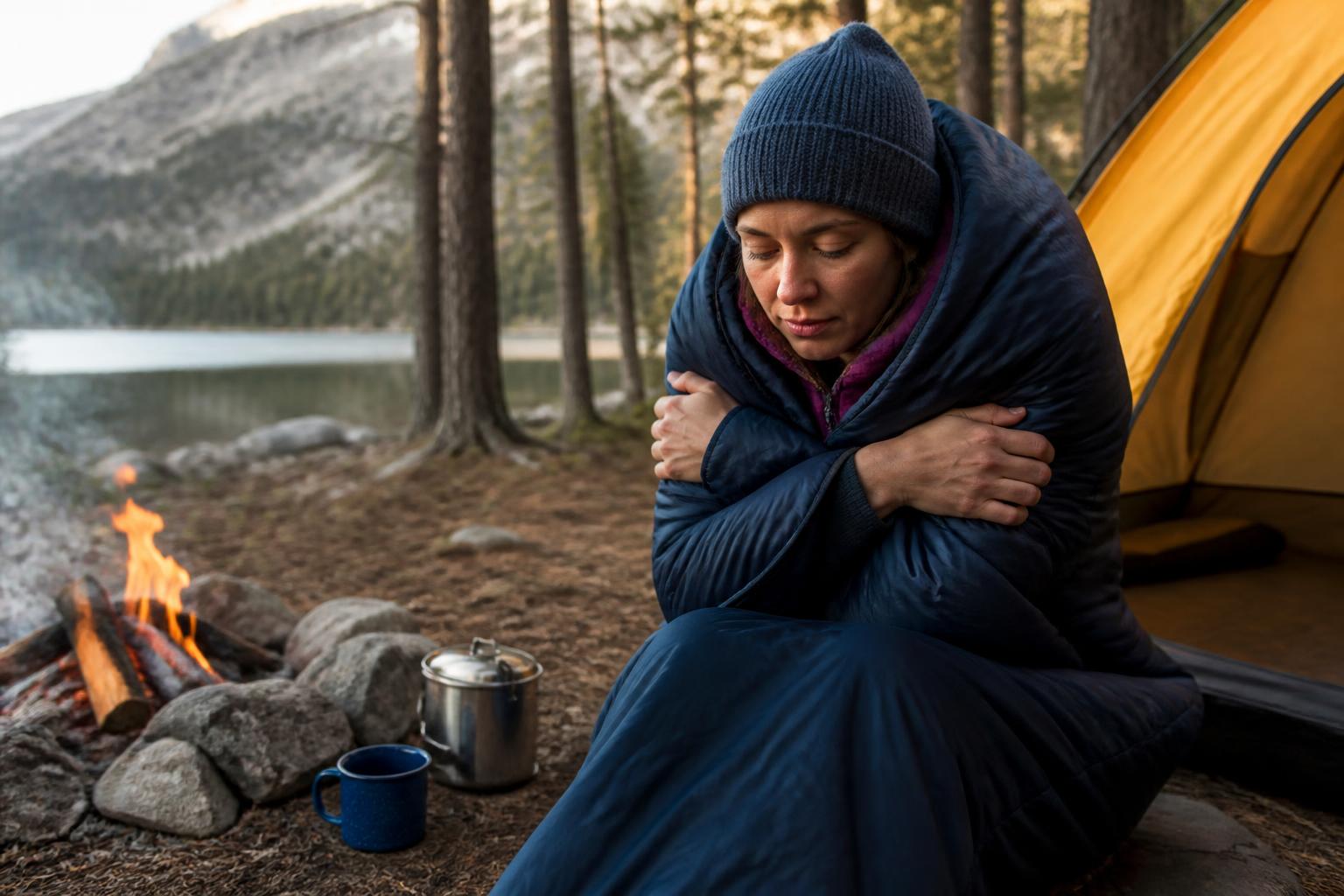
How to detect it early: Instead of relying on shivering alone, check for subtle changes in mental state and coordination. Confusion, apathy, or fumbling hands often appear before shivering stops. If the person seems disoriented, can’t perform simple tasks (e.g., buttoning a coat), or stops shivering while still feeling cold, treat it as a medical emergency.
Recognizing Hypothermia: Warning Signs by Stage
| Stage | Core Temp | Key Signs | What You Should Do |
|---|---|---|---|
| Mild | 95–90 °F | Intense shivering, rapid breathing, cold and pale skin, fatigue, clumsiness | Move to a warm area, remove wet clothing, give warm liquids, cover with blankets. |

| Moderate | 90–86 °F | Shivering stops (or becomes irregular), confusion, slurred speech, drowsiness, loss of coordination | Handle gently. Apply heat to core (chest, neck, groin) — no hot water or direct heat. Seek medical help immediately. |
| Severe | Below 86 °F | Unconsciousness, no shivering, weak or absent pulse, dilated pupils, rigid posture | Call 911. Perform CPR if no pulse. Wrap in blankets; do not rewarm too fast. Transport to hospital as soon as possible. |
The transition from mild to moderate can happen in under 30 minutes in cold, wet conditions.
Quick Decision Aid: When to Act Immediately
Use these checks to decide if someone needs emergency care right now. If any item is true, treat the situation as severe and call 911 or get to a hospital immediately.
- ☐ Shivering has stopped but the person is still in a cold environment or wet clothing.
- ☐ The person is confused, disoriented, or cannot speak clearly.
- ☐ They are unusually drowsy or have trouble keeping their eyes open.
- ☐ Coordination is poor—stumbling, dropping objects, unable to stand steadily.
- ☐ Consciousness is reduced, or the person has become unconscious.
- ☐ Pulse is weak, slow, or irregular (check at the wrist or carotid artery).
Do not wait for all signs to appear. Even one “yes” means the person needs professional medical attention.
Applicability boundary: This guide applies broadly, but hypothermia is not limited to outdoor exposure. Elderly people, infants, and those with poor circulation can become hypothermic indoors at ambient temperatures as high as 65 °F if they are sedentary, underdressed, or have impaired thermoregulation (e.g., from medication, illness, or alcohol). If you are caring for someone in a home with inadequate heating—especially after a power outage or during a cold snap—treat any confusion or drowsiness as a potential hypothermia emergency, even if the indoor temperature feels “cool” rather than freezing.
Practical implication of the decision aid: If you confirm even one of the checklist items, do not attempt home rewarming alone. The risk of cardiac arrhythmia from rough handling or rapid rewarming outweighs the benefit of waiting to see if the person improves. Your next move is to call 911 while starting gentle core rewarming (chest, neck, groin) with warm, dry blankets. Do not give hot drinks if the person is confused or drowsy—they may choke. The practical takeaway: a single checkmark means you stop “monitoring” and start emergency procedures.
How to verify the severity on the actual person: You can quickly assess two things. First, mental status—ask a simple question: “What is your name?” or ask them to squeeze your hand. If the answer is delayed, slurred, or they seem disoriented, that is a moderate-to-severe sign. Second, pulse check—feel the carotid artery (side of the neck) for 15 seconds. A pulse slower than 40 beats per minute or an irregular rhythm in a person who is not shivering is a medical emergency. Do not try to measure core temperature with a home thermometer; most oral or ear thermometers are inaccurate below 95 °F, and handling the person to take a reading can disturb the heart.
Mismatch and limitation to watch for: The most dangerous trade-off in hypothermia treatment is the afterdrop effect—if you aggressively rewarm the arms and legs with hot water or heating pads, blood vessels dilate in those limbs and return cold, acidic blood to the heart, which can trigger ventricular fibrillation. This is why the instructions say “warm the core only” and “handle gently.” A common mistake from well-meaning rescuers is to put the person in a hot shower or bath. That can kill them. Even if you see shivering return, do not switch to rapid whole-body heat; continue core warming (chest, neck, groin) and keep the person still until medical help arrives.
Prevention: Practical Steps That Work
Tip 1 – Layer correctly and avoid cotton
Actionable step: Wear a moisture-wicking synthetic or wool base layer, an insulating mid-layer (fleece or down), and a windproof outer shell.
Common mistake to avoid: Using cotton next to skin. Cotton absorbs moisture, draws heat away, and dries slowly—this accelerates heat loss. In wet conditions, cotton can lower your core temp by several degrees in minutes.
Tip 2 – Stay dry, and change wet clothes immediately
Actionable step: If clothes get wet—from rain, sweat, or falling in water—change into dry layers as soon as possible. Carry a spare set in your vehicle or pack.
Common mistake to avoid: Waiting until you’re inside a warm building to change. Even a short delay in temps below 50 °F with wet clothing can trigger hypothermia.
Tip 3 – Eat and hydrate regularly in cold conditions
Actionable step: Consume high-energy snacks (nuts, granola bars, chocolate) every hour and drink 6–8 oz of warm fluid (water, broth, or sports drink) per hour when active in the cold.
Common mistake to avoid: Skipping meals to avoid bathroom breaks. Your body needs fuel to generate heat. Hypoglycemia combined with cold stress sharply increases risk.
Also protect vulnerable populations: Elderly people, infants, and those with poor circulation can become hypothermic indoors at temps as high as 65 °F if they aren’t moving or are poorly dressed. Check room temperature and provide adequate bedding, warm drinks, and dry clothing.
Emergency Treatment: Step-by-Step
- Move to a warm, sheltered area – indoors, a vehicle, or behind a windbreak. Minimize further heat loss.
- Remove all wet clothing – cut away garments if necessary to avoid pulling the person. Cover with dry blankets or sleeping bags.
- Warm the core first – apply warm (not hot) packs to the chest, neck, and groin. Do not use hot water, heating pads, or massage the arms and legs; that can drive cold blood toward the heart and trigger cardiac arrest.
- Give warm fluids if the person is alert and can swallow – aim for liquids between 104–108 °F (warm to the touch, not scalding). Avoid alcohol and caffeine.
- Handle gently – rough movement can provoke dangerous heart arrhythmias. Support the head and neck.
- Seek medical help – call 911 for anyone with moderate or severe signs. Continue rewarming en route.
Specific metric: If core temp is below 95 °F (mild hypothermia) and signs progress (confusion, shivering stops), do not delay emergency care. Below 90 °F, the heart is at high risk of ventricular fibrillation.
When to Call 911
Call 911 if the person:
– Is unconscious, unresponsive, or has a weak or irregular pulse.
– Has stopped shivering but is still cold (especially if they are confused or drowsy).
– Was immersed in cold water or exposed to wind and rain for a prolonged time.
– Has a core temperature (if you can measure it) below 90 °F.
– Does not improve after 30 minutes of gentle, gradual rewarming.
Hypothermia can be fatal even after the person is brought indoors. Body temperature may continue to fall after rescue (afterdrop effect), so keep the person wrapped and calm until medical professionals arrive.
The earlier you recognize the warning signs and start measured rewarming, the better the outcome. Act quickly, but avoid rough handling or rapid heating that can trigger dangerous heart rhythms.

Camping Bob has spent over 20 years camping across the US — from BLM dispersed sites in the Southwest to KOA campgrounds in the Pacific Northwest. He writes practical, no-nonsense guides to help fellow campers get outdoors with confidence.