
How to Recognize and Treat Dehydration While Camping
Thirst is actually a late sign. By the time you feel thirsty, you’re already mildly dehydrated. While camping, the combination of sun, exertion, and limited water access can accelerate fluid loss faster than you expect. The short answer: stop activity, get to shade, and drink small amounts of water or an electrolyte solution every 10–15 minutes. If mental confusion or an inability to hold down fluids sets in, that’s the signal to call for help.
The Early Signs You Might Miss at Camp
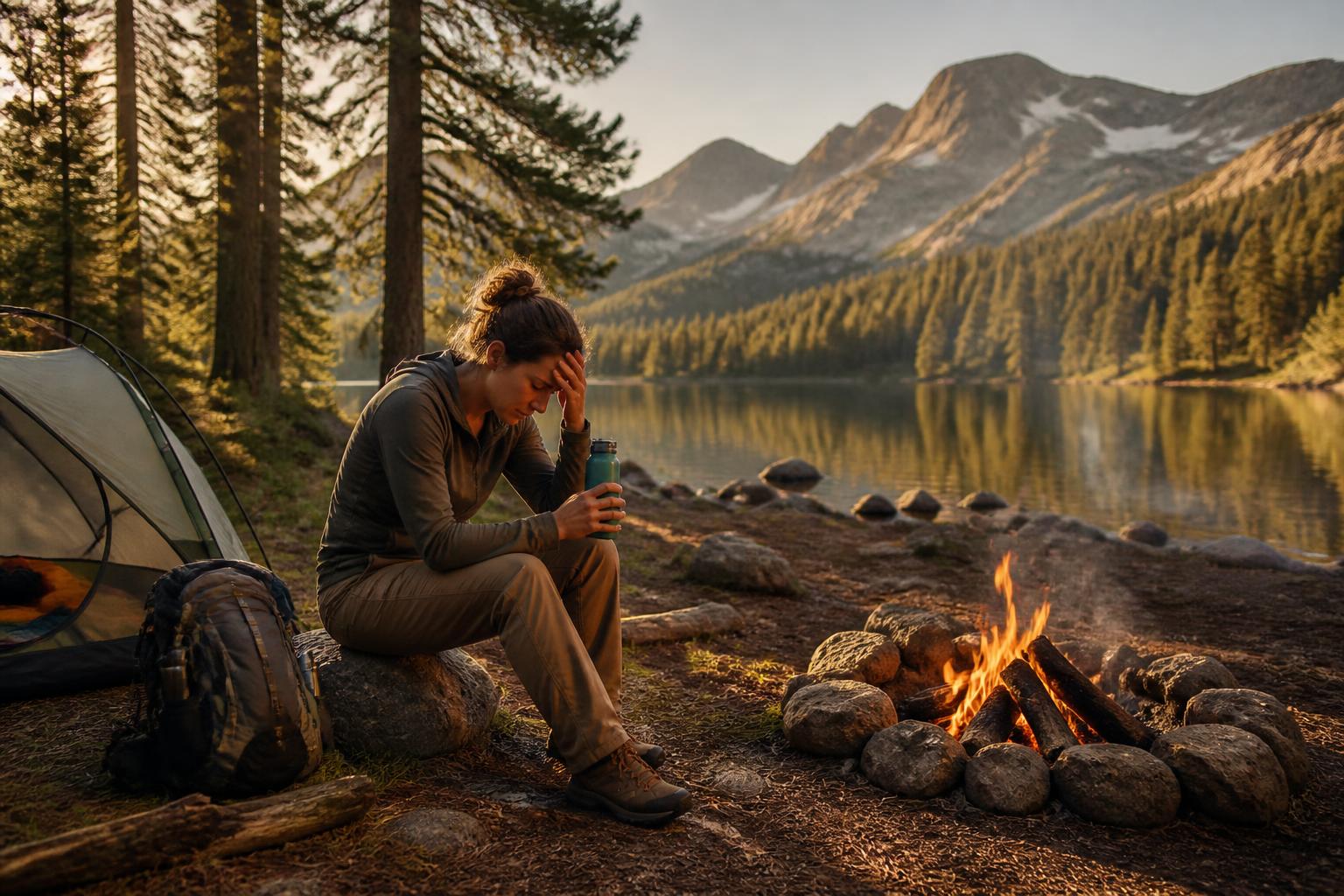
The failure mode most campers hit is mistaking early dehydration for simple fatigue or hunger. You feel a little tired, maybe a headache, and you think you just need to sit down or eat a snack. Meanwhile, your body is already down 2–3% of its fluid volume—enough to reduce physical performance by 10–15%.
What to look for before you feel thirsty:
- Dark yellow urine or low urine output (less than once every 4–6 hours)
- Dry mouth, sticky saliva
- Slightly reduced energy, especially on uphill stretches
- Dizziness when you stand up quickly
- Irritability or trouble concentrating (fumbling with tent zippers, misreading a map)
- A resting heart rate 10–20 bpm higher than your normal baseline
Any one of these on its own might not mean dehydration, but two or more in combination likely mean you’re behind on fluids. For example, if you notice both a dull headache and darker urine mid-hike, treat immediately rather than waiting for an official water break.
Branch after this check: If you spot two or more signs but you’re still mid-hike and less than 30 minutes from camp, you have a choice. Pushing the last leg can spike your heart rate and worsen symptoms. Better to rest for 10 minutes, down 8 oz of water, and then walk slowly. If you’re more than 30 minutes out, treat immediately where you stand—do not try to “make it to camp.”
How to Treat Dehydration Step by Step
If you recognize the signs, act immediately. Do not “push through it” to reach the next water source.
Immediate Actions
- Stop all activity and get to shade or shelter. Sit or lie down with your feet slightly elevated if possible. Unbuckle your pack to let your body cool and reduce sweat loss.
- Take your pulse at the wrist. A resting heart rate 10–20 bpm higher than normal (for you) is a common early indicator of dehydration. This quick check gives you a baseline to track recovery.
- Start rehydrating slowly. Do not chug. Take 4–6 oz of water or a diluted electrolyte drink every 10–15 minutes for the first hour. If you have an oral rehydration salts packet, mix it per package directions.
Hydration Pace Guidelines
The “sip, don’t gulp” rule matters because your gut can only absorb about 1–1.5 liters per hour when dehydrated. Chugging may trigger nausea or vomiting, which sets you back further. Use these pacing targets:
- First hour: 4–6 oz (about 120–180 ml, or 8–12 tablespoons) every 10–15 minutes. That’s roughly 16–24 oz total in the first hour.
- Second hour: If you’re holding fluids fine, increase to 6–8 oz every 15 minutes. Total intake 24–32 oz.
- After urine clears: Return to normal drinking (whenever you feel thirsty, but aim for 8 oz per hour of activity).
Homemade vs. Commercial Rehydration
Commercial electrolyte tablets or powders (like those containing sodium, potassium, and glucose) work well because they match the balance your body loses in sweat. If you don’t have them, a homemade mix works: 1 liter of clean water, ½ teaspoon salt, and 6 teaspoons of sugar. Stir until fully dissolved. This matches the World Health Organization’s oral rehydration solution formula for mild to moderate dehydration.
Check your urine color after about 45 minutes. If it’s still dark or you haven’t urinated, continue the same drinking pace. If it’s lighter or returns to a pale straw color, you can slow down to normal sips.
Eat a salty snack once you can keep fluids down. A handful of salted nuts, crackers, or a packet of instant soup adds sodium to help your body retain the water you just drank.
Likely cause of failure: You waited too long to start. The earlier you treat, the faster you recover. If you’re already nauseous or vomiting, stop oral rehydration and switch to sucking on ice chips or taking a teaspoon of water every 2–3 minutes.
Verification step: After one hour of consistent rehydration, retake your resting pulse. If it has dropped by at least 5–10 bpm and you have urinated (urine color lighter than when you started), your treatment is working. If your pulse is unchanged or higher, or you still haven’t urinated, continue hydrating and do not resume activity.
Escalation signal: If after one hour of careful rehydration your symptoms are no better—or if you develop confusion, inability to walk, or a heart rate that stays elevated above 120 bpm at rest—stop all individual treatment. Use your emergency communication device or send a team member for help. Severe dehydration requires IV fluids and medical monitoring.
Quick Dehydration Decision Aid
Run through this short checklist any time you or a buddy feels off at camp. Mark “yes” or “no” for each item. Two or more “yes” answers mean you should start treatment now.
- [ ] Has it been more than 4 hours since you last drank water?
- [ ] Is your urine dark yellow, or have you not urinated in the last 6 hours?
- [ ] Do you feel dizzy when you stand from a seated position?
- [ ] Is your mouth dry or tongue sticky despite trying to swallow?
- [ ] Do you have a headache that came on gradually during activity?
- [ ] Is your heart rate noticeably faster than usual (check at rest for 30 seconds)?
If you answered yes to three or more, you are dehydrated enough to stop hiking, move to shade, and follow the treatment steps above. Do not resume activity until you have urinated and your pulse has returned to normal.
Preventing Dehydration on the Trail
Treating dehydration is always harder than preventing it. Use these strategies to stay ahead of fluid losses.
Calculate Your Daily Water Needs
A general rule: carry ½ liter (about 17 oz) of water per hour of moderate hiking in cool weather, and up to 1 liter per hour in hot or humid conditions or when carrying a heavy pack. For a full day of hiking (8 hours), aim for 2–4 liters total. Add another 1–2 liters for camp use—cooking, washing, and overnight hydration.
Hydration Gear That Helps
- Hydration bladder (3-liter capacity recommended): Easier to sip frequently without stopping to dig out a bottle. Set a timer on your watch or phone to take 4–6 swallows every 20 minutes.
- Wide-mouth water bottles: Easier to add electrolyte tablets or powders mid-trail.
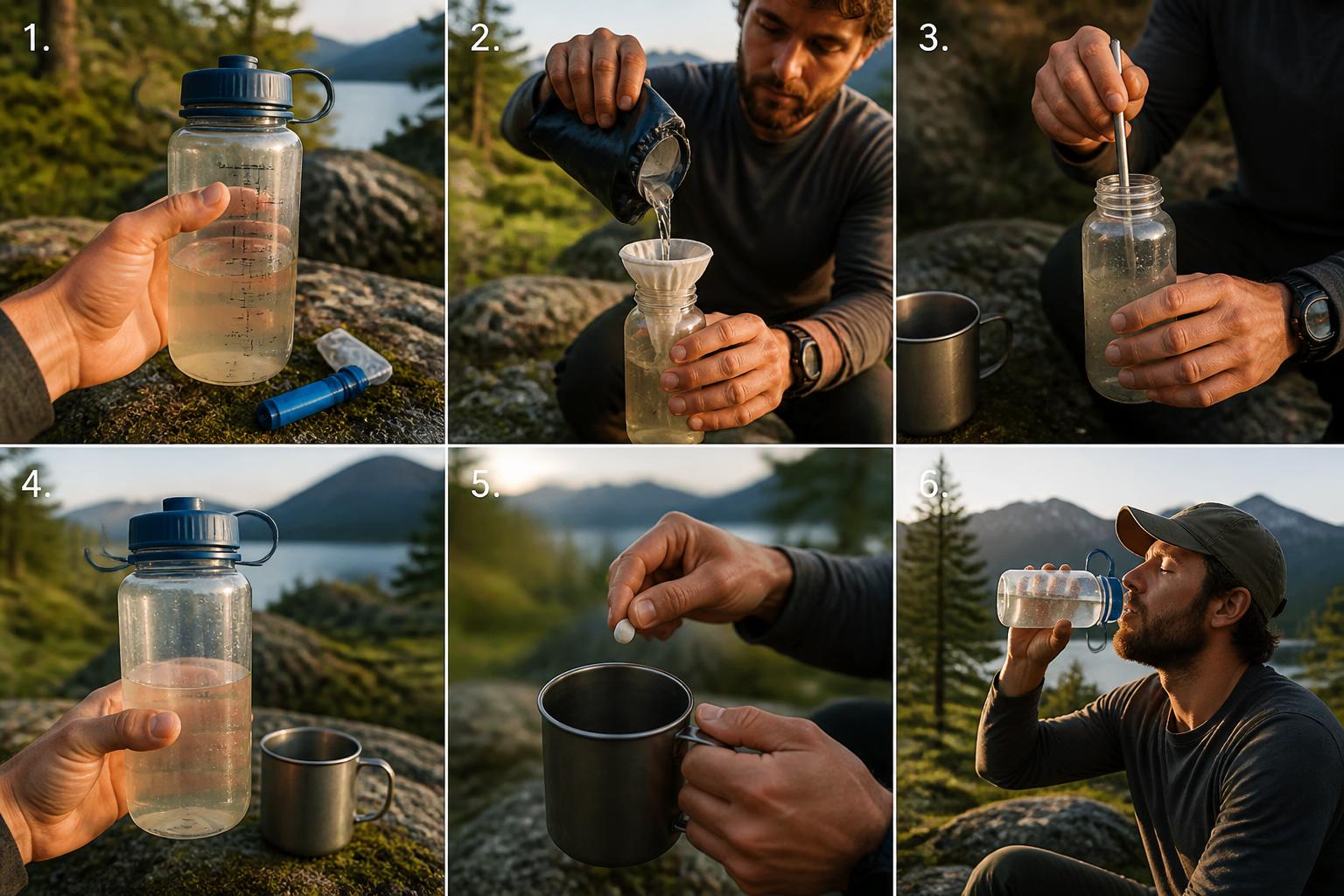
- Water purification method: If you rely on natural sources, a lightweight filter (like a squeeze filter or UV pen) lets you refill on the go. Treating dehydration is pointless if you skip filling up because the next stream is 3 miles away.
Electrolyte Strategy
Sweat loses both water and salt. If you’re hiking more than 2 hours in heat, or if you’re a heavy sweater (you see salt crystals on your skin or clothes), add an electrolyte source. Commercial tablets (e.g., Nuun, GU Hydration) dissolve quickly and provide about 200–300 mg of sodium per serving. Alternatively, bring single-serving packets of oral rehydration salts from a drugstore. Even salty snacks—jerky, pretzels, electrolyte chews—help retain water.
When to Call for Emergency Help
Most dehydration can be handled at camp. But these situations are not:
- You cannot keep any liquid down for more than 30 minutes
- You are confused, slurring words, or have trouble recognizing people
- You have stopped sweating even though you are hot and active
- Your heart rate remains above 120 bpm at rest after one hour of rehydration
- You feel faint or have passed out, even briefly
In any of those cases, treat as a medical emergency. Use your satellite messenger, cell phone (if there’s signal), or go to the nearest trailhead. Do not wait for the person to “sleep it off”—severe dehydration can progress to heat exhaustion or heat stroke within an hour without active treatment.
Dehydration is one of the most preventable camping hazards when you catch it early, treat methodically, and pack enough water and electrolytes for your planned activity. Use the signs and steps above to stay safe and keep your trip on track.

Camping Bob has spent over 20 years camping across the US — from BLM dispersed sites in the Southwest to KOA campgrounds in the Pacific Northwest. He writes practical, no-nonsense guides to help fellow campers get outdoors with confidence.