
Using a Butane Stove: A Practical Guide
Quick answer
- Get a stove and a fuel canister. Easy.
- Connect the canister securely. You’ll hear a click or feel a snug fit.
- Test the flame before you cook. Get a feel for the heat control.
- Use it on a flat, stable surface. No wobbly tables, please.
- Keep it away from flammable stuff. Seriously.
- Pack out your trash, including empty canisters. Leave it better than you found it.
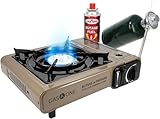
If you’re looking for a reliable and easy-to-use option, consider a butane camping stove like this one for your next adventure.
What to check first (do this before you drive out)
Before you even think about brewing coffee at 5 AM, do a quick gear check. It saves headaches.
- Land manager / legality: Who owns this patch of dirt? Is it National Forest, BLM land, a state park, or private? Each has its own rules. Some places might have specific fire bans or restrictions on camp stoves. Always check the official website for the area you’re heading to. Ignorance ain’t bliss when you get a ticket.
- Access/road conditions: Can your rig actually get there? Is the road paved, gravel, or just a suggestion? If it’s rough, check if you need 4WD or high clearance. Don’t be that person stuck on the trail because you underestimated the ruts.
- Fire restrictions + weather + wind: This is a big one. Fire bans are no joke. Even if stoves are allowed, high winds can make cooking tricky and dangerous. Check the local fire danger level and the weather forecast. If it’s gusty, maybe it’s a cold-soak breakfast day.
- Water plan + waste plan (Leave No Trace): How are you getting water for cooking and cleaning? Are you packing it all in, or is there a water source (and is it safe to use)? And what about trash? Pack it out, every last bit, including food scraps and empty fuel canisters. LNT is the law of the land out there.
- Safety (wildlife, distance to help, comms): Be aware of your surroundings. Store food properly to avoid critter visitors. Know how far you are from the nearest ranger station or town. Cell service is often spotty, so have a plan for emergencies. Maybe a satellite communicator if you’re really remote.
Step-by-step (field workflow)
Alright, you’re at camp. Stove’s out. Let’s get that meal going.
1. Unpack the stove: Pull the stove out of its case or bag.
- Good looks like: Stove is clean and all parts are present.
- Common mistake: Leaving a crucial piece in the car. Double-check you have everything before you walk to your spot.
When unpacking, ensure all parts of your butane camping stove are present and clean.
2. Find a stable spot: Choose a flat, level area away from tents, dry grass, and other flammable materials.
- Good looks like: The stove sits solid, no wobbling.
- Common mistake: Setting up on uneven ground. This can lead to spills or the stove tipping over.
3. Connect the fuel canister: Align the canister with the stove’s fuel port and twist or push until it locks securely. Most have a bayonet mount or a threaded connection.
- Good looks like: A solid, airtight connection. You shouldn’t hear any hissing gas.
- Common mistake: Not tightening the canister enough. This is a major safety hazard. If you can still wiggle it, it’s not secure.
4. Open the fuel valve slightly: Turn the control knob just a crack. You should hear a faint hiss of gas.
- Good looks like: A gentle hiss, not a loud roar.
- Common mistake: Opening the valve too much too soon. You want to control the gas flow.
5. Light the stove: Use a long lighter or a match to ignite the gas. Hold the flame to the burner.
- Good looks like: A clean, blue flame that ignites immediately.
- Common mistake: Using a short lighter that puts your fingers too close to the flame. Always use a long lighter or a match.
6. Adjust the flame: Once lit, turn the control knob to achieve the desired flame height.
- Good looks like: A steady flame, from a low simmer to a rolling boil, depending on your needs.
- Common mistake: Leaving the flame on high all the time. It wastes fuel and can scorch your food.
7. Cook your meal: Place your pot or pan on the stove’s grate.
- Good looks like: Even heating and controlled cooking.
- Common mistake: Using a pot that’s too large or too small for the stove. It can be unstable or inefficient.
8. Turn off the gas: Once you’re done cooking, turn the control knob completely off.
- Good looks like: The flame extinguishes completely.
- Common mistake: Not fully closing the valve. This leaves gas leaking.
9. Let it cool: Allow the stove and pot to cool down completely before packing.
- Good looks like: Everything is cool to the touch.
- Common mistake: Packing a hot stove. This can damage the stove and is a fire risk.
10. Disconnect the fuel canister: Once cool, carefully unscrew the fuel canister. Store it properly.
- Good looks like: A clean disconnect with no residual gas escaping.
- Common mistake: Forgetting to disconnect. It’s safer to store the stove and canister separately.
11. Clean and pack: Wipe down the stove and pack it away.
- Good looks like: A clean stove ready for the next adventure.
- Common mistake: Leaving food residue on the stove. This attracts pests and can make it harder to clean later.
Common mistakes (and what happens if you ignore them)
| Mistake | What it causes | Fix |
|---|---|---|
| Not checking fire restrictions | Fines, fire, loss of camping privileges, ecological damage. | Always check local fire danger levels and regulations before you go. |
| Using a stove on an unstable surface | Spills, burns, wasted food, potential fire. | Find a flat, level spot. Use rocks or logs to stabilize if needed. |
| Not securing the fuel canister properly | Gas leaks, fire hazard, potential explosion. | Ensure the canister clicks or screws in firmly. Listen for hissing. |
| Over-tightening the fuel canister | Damaged valve threads, leaks. | Tighten until snug, then give it a slight extra turn. Don’t force it. |
| Lighting with a short lighter/match | Burns on fingers, potential to drop the lighter/match. | Use a long lighter or a long match. Keep your hands clear. |
| Leaving the gas valve open too far | Wasted fuel, scorched food, uneven cooking. | Start with a small flame and gradually increase. Learn your stove’s heat settings. |
| Packing a hot stove/pot | Melting plastic components, fire hazard, damage to gear. | Always let the stove and pot cool completely before packing. |
| Not packing out empty fuel canisters | Litter, environmental damage, potential safety hazard if punctured. | Pack them out. Some recycling centers accept them; check local options. |
| Using the stove inside a tent | Carbon monoxide poisoning (deadly), fire hazard. | <strong>Never</strong> use a stove inside a tent or enclosed space. Always use in well-ventilated areas. |
| Ignoring wind conditions | Flame blown out, uneven cooking, potential for embers to blow away. | Use a windscreen. If it’s too windy, consider cooking in a sheltered spot or waiting it out. |
| Using the wrong size pot/pan | Instability, inefficient heating, food burning or not cooking through. | Match your cookware to the stove’s grate size. Ensure it sits level and secure. |
| Not performing a leak check before lighting | Gas leaks, fire hazard. | After connecting the canister, rub a little soapy water on the connection. Look for bubbles. |
Decision rules (simple if/then)
- If the fire danger is “high” or “extreme,” then do not use any open flames or stoves that produce sparks, because the risk of wildfire is too great. Check the local ranger district for current ratings.
- If the wind is gusting over 20 mph, then consider using a windscreen or finding a more sheltered cooking spot, because a strong wind can blow out your flame and make cooking difficult.
- If you hear a hissing sound after connecting the fuel canister and it’s not the normal sound of gas flow, then immediately disconnect the canister and check the seal, because you have a leak.
- If you are cooking for more than two people, then consider bringing a larger fuel canister or a second, smaller stove, because cooking multiple meals can quickly deplete a small fuel supply.
- If you are in a high-altitude area, then expect your stove to perform differently, because thinner air can affect flame intensity and cooking times.
- If you are camping in freezing temperatures, then keep your fuel canister warm (e.g., in your sleeping bag overnight), because cold fuel burns less efficiently.
- If you are unsure about the legality of using a stove in a specific area, then err on the side of caution and check with the land manager, because rules can vary greatly.
- If you are camping near water sources, then always cook at least 200 feet away from the water, because this prevents fuel or food scraps from contaminating the water supply.
- If you notice any damage to your stove or fuel canister, then do not use it and replace the damaged part, because damaged equipment is a safety hazard.
- If you are cooking something that might boil over, then stay with your stove and keep an eye on it, because a boil-over can extinguish your flame and create a mess or a fire risk.
- If you are using a new stove for the first time, then practice using it at home before your trip, because this helps you get familiar with its operation and identify any potential issues.
- If you are planning a multi-day trip, then calculate your fuel needs based on how many meals you’ll cook and how long each takes, because running out of fuel is a common problem.
FAQ
How do I connect the fuel canister to my butane stove?
Most butane stoves use a bayonet-style connection or a threaded fitting. Line up the canister with the stove’s port and twist or push until it locks securely. You should hear a click or feel a snug fit.
For connecting the fuel canister to your butane camping stove, most models use a bayonet-style or threaded fitting.
What’s the best way to light a butane stove?
Always use a long lighter or a long match. Hold the flame to the burner assembly as you slowly open the gas valve. Once the gas ignites, adjust the flame to your desired level.
Can I use my butane stove inside my tent?
Absolutely not. Never use a fuel-burning appliance like a butane stove inside a tent or any enclosed space. This is a serious carbon monoxide poisoning hazard and a fire risk. Always use stoves in well-ventilated outdoor areas.
How much fuel do I need for a camping trip?
It depends on how long you’re going, how many people you’re cooking for, and what you’re cooking. A general rule of thumb is one small canister per person per day for basic cooking. It’s always better to bring a little extra than to run out.
What if my stove flame is weak or flickering?
This could be due to a low fuel level, a cold fuel canister, or a blockage in the burner. Make sure the canister is properly connected and try warming the canister if it’s cold. If the problem persists, the burner might need cleaning.
How do I clean my butane stove?
Let the stove cool completely. Wipe down the grate and burner assembly with a damp cloth. For stubborn residue, use a mild soap and water. Ensure it’s completely dry before storing.
Are butane canisters safe to store in my car?
It’s best to avoid storing fuel canisters in hot environments like a car, especially in direct sunlight. The pressure can build up. Store them in a cool, dry place, and disconnect them from the stove when not in use.
What’s the difference between butane and propane stoves?
Butane works best in warmer temperatures and is often found in smaller, more portable canisters. Propane performs better in colder weather and is typically used in larger tanks for more powerful stoves. Many camping stoves are designed for isobutane-propane mixes, which offer a good balance.
How do I know when my fuel canister is empty?
An empty canister will feel very light. You might also hear a faint hiss when you disconnect it, but it will stop quickly. Some canisters have a small window to check the fuel level, but this isn’t common for small butane canisters.
What this page does NOT cover (and where to go next)
- Detailed maintenance and repair of specific stove models. (Check your stove’s manual.)
- Advanced cooking techniques for gourmet backcountry meals. (Look for specialized camping cookbooks.)
- Specific regulations for national parks or wilderness areas. (Visit the NPS or USFS website.)
- Reviews of different stove brands and models. (Search outdoor gear review sites.)
- First aid for burns or other camping injuries. (Consult a first aid guide or take a course.)
- Carbon monoxide detection and safety protocols. (Research CO safety for enclosed spaces.)

Camping Bob has spent over 20 years camping across the US — from BLM dispersed sites in the Southwest to KOA campgrounds in the Pacific Northwest. He writes practical, no-nonsense guides to help fellow campers get outdoors with confidence.