
Troubleshooting Common Stove Burner Issues And Fixes
Quick answer
- Clean the burner ports. Clogged ports are the most common culprit.
- Check the gas supply. Is the propane tank full or the natural gas line open?
- Inspect the igniter. It needs to spark reliably.
- Verify the simmer setting. Some burners are designed for low heat.
- Adjust air mixture if possible. Too much or too little air affects the flame.
- Replace worn parts. Seals and O-rings can degrade.
What to check first (do this before you drive out)
Before you even think about a campfire, let’s talk about your camp stove. It’s your kitchen out there, and a busted burner means a cold meal. Here’s the quick rundown:
Before you even think about a campfire, let’s talk about your camp stove. It’s your kitchen out there, and a busted burner means a cold meal. If you’re in the market for a reliable outdoor cooking solution, consider a portable camping stove to ensure your meals are always hot and ready.
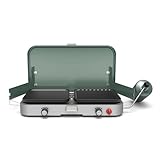
- Fuel Source: Is your propane tank full? If you’re using a larger tank, make sure the valve is fully open. For stoves that run on smaller canisters, check the connection. A loose connection is a common leak point.
- Ignition: Does it spark? Listen for the click. If you don’t hear it, or if it’s weak, the igniter might be fouled or dead. Batteries could be low on some models too.
- Burner Head: Look at the little holes where the gas comes out. Are they clogged with gunk? This is a big one. Debris, food bits, or corrosion can mess with the flame.
- Wind: Seriously, wind is the enemy of a good flame. If it’s blowing hard, your flame might be weak or blowing out, making you think something’s broken when it’s just the elements.
- Manufacturer’s Instructions: Every stove is a little different. Grab that manual if you can find it. It usually has a troubleshooting section that’s spot on.
Step-by-step (field workflow)
Okay, so your stove’s acting up. Let’s walk through this like we’re setting up camp. Calm and collected.
1. Assess the Symptom: What exactly is happening? No flame at all? Weak flame? Yellow flame? Uneven flame? Knowing the problem helps narrow down the fix.
- Good looks like: A clear description of the issue. “The igniter clicks, but no gas comes out.” is better than “It’s not working.”
- Common mistake: Guessing the problem. Don’t just dive in. Observe first.
2. Check Fuel: Make sure your fuel source is connected securely and is actually providing fuel.
- Good looks like: The tank is full, valve is open, and the connection is tight. If it’s a propane tank, give it a good shake. Can you hear liquid sloshing?
- Common mistake: Assuming the tank is full. We’ve all been there, pulling out a nearly empty tank when we’re starving.
3. Inspect Burner Ports: Look for blockages in the small holes around the burner head.
- Good looks like: Clean, clear holes. You can see through them.
- Common mistake: Forcing a wire through the ports. You can widen them or damage them. A gentle poke with a toothpick or thin wire is usually enough.
4. Clean the Burner Head: Remove any soot or debris from the burner assembly.
- Good looks like: A clean metal surface where the gas should flow.
- Common mistake: Soaking the entire stove in water. Some parts aren’t meant to be submerged. Check your manual.
5. Test the Igniter: Ensure the igniter is sparking strongly and consistently.
- Good looks like: A bright, blue spark that lands right where the gas should ignite.
- Common mistake: Not cleaning the igniter tip. It can get fouled with carbon, weakening the spark. A gentle scrub with a brush or sandpaper can help.
6. Check for Gas Flow: With the burner knob turned on (but not lit), can you smell a faint whiff of gas?
- Good looks like: A subtle gas smell. Don’t go sniffing hard – just a hint.
- Common mistake: Over-tightening connections. This can actually damage seals and cause leaks. Just snug is usually enough.
7. Adjust Air/Fuel Mixture (if applicable): Some stoves have adjustable air vents.
- Good looks like: A blue flame with maybe a tiny bit of yellow at the tip. This means complete combustion.
- Common mistake: Messing with this if you don’t know what you’re doing. You can create a weak, sooty flame or even a dangerous situation. Stick to the factory setting unless you’re sure.
8. Check for Leaks: Use soapy water on connections.
- Good looks like: No bubbles forming. Bubbles mean gas is escaping.
- Common mistake: Not checking all connections, especially where the hose meets the regulator and the stove.
9. Inspect Seals and O-rings: Worn-out rubber parts can cause leaks or poor performance.
- Good looks like: Flexible, intact seals. No cracks or hardening.
- Common mistake: Reusing old, brittle seals. They won’t seal properly and can be dangerous.
10. Reassemble Carefully: Put everything back together as it was.
- Good looks like: A secure, properly assembled stove.
- Common mistake: Forcing parts that don’t fit. You might be putting something back in the wrong order.
Common mistakes (and what happens if you ignore them)
| Mistake | What it causes | Fix |
|---|---|---|
| Ignoring clogged burner ports | Weak, uneven, or no flame; soot buildup | Clean ports gently with a toothpick or thin wire. |
| Not checking fuel level/connection | Stove won’t light or flame is weak | Ensure tank is full and connection is secure. |
| Forcing cleaning tools into ports | Damaged burner, altered flame pattern | Use gentle methods like toothpicks or compressed air. |
| Not cleaning the igniter tip | Weak or no spark, difficult ignition | Gently scrub or sand the igniter tip. |
| Submerging electrical components | Damage to igniter, battery housing, or electronics | Clean with a damp cloth; avoid direct water immersion. |
| Over-tightening fuel connections | Damaged threads, leaks | Tighten until snug; check for leaks with soapy water. |
| Ignoring manufacturer’s instructions | Incorrect troubleshooting, potential damage | Read the manual; follow specific guidance for your model. |
| Using the wrong fuel type | Poor performance, damage to stove | Always use the fuel recommended by the manufacturer (propane, butane, etc.). |
| Not protecting from wind | Flame blows out, inefficient cooking | Use a windscreen or position the stove out of direct wind. |
| Reusing old, cracked seals/O-rings | Gas leaks, poor performance | Replace worn seals and O-rings with manufacturer-approved parts. |
Decision rules (simple if/then)
- If you smell gas before turning on the stove, then stop immediately and check all connections for leaks because a leak is a fire hazard.
- If the igniter clicks but there’s no flame, then check your fuel source and burner ports first because these are the most common issues.
- If the flame is yellow and sooty, then the air-fuel mixture is likely off or the burner ports are dirty because incomplete combustion creates soot.
- If the stove is completely dead (no click, no flame), then check the battery (if applicable) or the fuel line connection because a lack of power or fuel is the simplest explanation.
- If you hear gas but can’t get a consistent flame, then suspect clogged burner ports or a weak igniter because these prevent ignition or steady burning.
- If your stove works fine at home but not at altitude, then it’s likely the air density; you might need to adjust the air intake if your stove allows, or accept a slightly weaker flame because higher altitudes have less oxygen.
- If you’ve cleaned everything and checked fuel, but it’s still acting up, then consider worn internal parts or a faulty regulator because these are less common but possible failures.
- If you’re unsure about a fix, especially involving gas lines, then stop and consult the manufacturer’s manual or contact customer support because safety comes first.
- If a part looks obviously damaged (cracked, melted, rusted through), then it likely needs replacement before you can expect it to work correctly because damaged parts rarely function as intended.
- If the stove was recently used and is now failing, then consider residue from the last meal or a previous spill as the culprit for blockages because food debris is a common enemy.
FAQ
My stove won’t light. What’s the first thing I should check?
Start with the fuel. Is the tank full and securely connected? Then, check the igniter to make sure it’s sparking.
The flame is weak and flickers a lot. What could be wrong?
This usually points to a fuel delivery issue or a blocked burner. Make sure your fuel source is adequate and clean out those burner ports. Wind can also cause this, so use a windscreen.
I smell gas, but it won’t ignite. Is it dangerous?
Yes, a gas smell indicates a leak. Stop using the stove immediately and carefully check all connections for tightness. Use soapy water to find the leak; bubbles mean gas is escaping.
My stove makes a “whooshing” sound and the flame is mostly blue. Is that good?
A strong blue flame with a slight “whoosh” is usually a sign of good combustion. It means the stove is getting enough air and fuel.
How often should I clean my camp stove?
It’s good practice to give it a quick clean after each trip. A more thorough cleaning, especially of the burner ports, is recommended every few trips or if you notice performance issues.
Can I use a different type of fuel than what my stove came with?
No, absolutely not. Always use the fuel type specified by the manufacturer. Using the wrong fuel can damage your stove and be very dangerous.
What if my igniter is broken?
You can still light the stove using a long match or a lighter. Just be careful to avoid burning yourself as you ignite the gas.
My stove seems to be getting very hot on the outside, even away from the burner. Is that normal?
Some heat transfer is normal, but excessive heat can indicate a blockage or improper flame. Check for debris or ensure the burner assembly is correctly seated.
What this page does NOT cover (and where to go next)
- Detailed disassembly and repair of internal components: For complex internal issues, consult your stove’s manual or contact the manufacturer.
- Specific model troubleshooting: This guide is general. Your stove might have unique quirks.
- Warranty claims or service center locations: If your stove is under warranty or needs professional repair, you’ll need to contact the retailer or manufacturer.
- Advanced fuel system modifications: Tampering with fuel lines or regulators can be dangerous and voids warranties.
- Cleaning fuel canisters/tanks: While we mentioned checking fuel levels, deep cleaning of the tanks themselves is a separate, often more involved process.

Camping Bob has spent over 20 years camping across the US — from BLM dispersed sites in the Southwest to KOA campgrounds in the Pacific Northwest. He writes practical, no-nonsense guides to help fellow campers get outdoors with confidence.