
How to Make Delicious S’mores
Quick answer
- Gather your ingredients: graham crackers, chocolate, and marshmallows.
- Find a safe campfire or use a portable stove.
- Toast your marshmallow to golden brown perfection.
- Assemble your s’more quickly before the marshmallow cools.
- Enjoy the gooey, chocolatey goodness.
If you’re new to s’mores or want to simplify your prep, consider a convenient s’mores kit that includes all the essentials.

What to check first (do this before you drive out)
Before you even think about toasting a marshmallow, get your ducks in a row. It’s not just about the s’mores, it’s about being smart out there.
- Land manager / legality: Who owns the land you’re planning to camp on? Is it National Forest, BLM, State Park, or private? Each has its own rules. For example, some areas might have fire bans, or specific camping regulations. Always check the official website for the land manager. It’s the most reliable source.
- Access/road conditions: Can your rig actually get to your chosen spot? Paved roads are easy. Gravel roads can be tricky. Dirt roads? Muddy or rutted? Know your vehicle’s limits. Low-clearance cars might get stuck on rough terrain. AWD or 4WD is often best for backroads. Check recent reports if you can.
- Fire restrictions + weather + wind: This is a big one. Fire bans are common, especially in dry seasons. Don’t be that person who starts a wildfire for a s’more. Check the local fire danger levels and any active burn bans. Also, look at the weather forecast. High winds can make campfires dangerous and unpleasant. Heavy rain? Might be a good time to rethink the outdoor s’more plan.
- Water plan + waste plan (Leave No Trace): You need water for drinking, cooking, and importantly, for putting out your fire safely. Have enough water. And what about trash? Pack it in, pack it out. All of it. That includes wrappers, crumbs, and anything else you brought. Leave the campsite cleaner than you found it. That’s the golden rule.
- Safety (wildlife, distance to help, comms): Be aware of local wildlife. Store food properly to avoid attracting critters. Know how far you are from the nearest ranger station or town. Cell service can be spotty or nonexistent. Let someone know where you’re going and when you expect to be back. A satellite communicator is a solid backup.
Step-by-step (field workflow)
Alright, you’ve checked the boxes. Now let’s make some magic happen.
1. Set up your fire/heat source:
- What to do: Build a safe campfire in a designated fire ring, or use a portable camp stove. Ensure it’s well-contained and away from flammable materials.
- What “good” looks like: A controlled fire with manageable flames, or a stable stove ready to go. No sparks flying wildly.
- Common mistake: Building a fire too close to trees or tents. Avoid this by clearing a wide perimeter around your fire pit.
2. Prepare your s’more station:
- What to do: Lay out your graham crackers, chocolate bars (broken into pieces), and marshmallows. Have a plate or napkin handy.
- What “good” looks like: Everything organized and within easy reach. No fumbling around with sticky fingers.
- Common mistake: Not having everything ready before you start toasting. Avoid this by prepping everything while the fire is getting going.
3. Select your marshmallow:
- What to do: Choose a marshmallow that fits nicely on your roasting stick.
- What “good” looks like: A plump, unblemished marshmallow ready for its fiery destiny.
- Common mistake: Picking a marshmallow that’s old and stale, or one that’s already falling apart. Avoid this by checking the bag before you leave home.
4. Skewer the marshmallow:
- What to do: Carefully push your roasting stick through the center of the marshmallow.
- What “good” looks like: The marshmallow is secure on the stick, not wobbly.
- Common mistake: Pushing the stick all the way through and out the other side, leaving a hole. Avoid this by stopping the stick just before it exits.
5. Toast the marshmallow (the art):
- What to do: Hold the marshmallow over the coals or flames, rotating slowly. Aim for a golden-brown exterior with a molten interior.
- What “good” looks like: A perfectly toasted marshmallow, slightly browned and puffy, with a gooey center.
- Common mistake: Holding it too close to a roaring flame and igniting it into a fireball. Avoid this by finding the sweet spot over the glowing embers, not direct flames.
6. The quick caramelization:
- What to do: Once toasted, quickly pull the marshmallow away from the heat. If it’s a bit too charred, you can sometimes blow on it gently to extinguish the flame.
- What “good” looks like: A toasted marshmallow, maybe with a tiny bit of char, but not a flaming torch.
- Common mistake: Letting a flaming marshmallow drip onto the ground or your gear. Avoid this by being ready to pull it away and extinguish it immediately.
7. Assemble the s’more:
- What to do: Immediately place the toasted marshmallow onto one half of a graham cracker, then top with a piece of chocolate. Place the other graham cracker half on top.
- What “good” looks like: A perfectly sandwiched s’more, ready to be devoured.
- Common mistake: Waiting too long, letting the marshmallow cool and harden. Avoid this by having your graham cracker and chocolate ready to go the second the marshmallow is toasted.
8. The Squish and Enjoy:
- What to do: Gently press the top graham cracker down to slightly flatten the marshmallow and melt the chocolate. Then, eat.
- What “good” looks like: Gooey, melty, chocolatey bliss. Pure happiness.
- Common mistake: Trying to eat it too quickly and burning your mouth. Avoid this by taking a small bite first, or letting it cool for a few seconds.
9. Fire safety check:
- What to do: Once everyone is done with s’mores and the fire is no longer needed, properly extinguish it. Douse with water, stir the ashes, and ensure it’s cool to the touch.
- What “good” looks like: A completely cold fire pit. No embers, no smoke, no heat.
- Common mistake: Leaving a fire smoldering, thinking it’s “out enough.” Avoid this by dousing thoroughly and stirring until it’s cold.
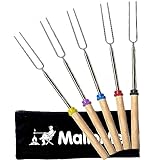
For the best toasting experience, we recommend using a good set of marshmallow roasting sticks to keep your hands safe and your marshmallows perfectly golden.
Common mistakes (and what happens if you ignore them)
| Mistake | What it causes | Fix |
|---|---|---|
| Not checking fire restrictions | Fines, park ejection, or starting a wildfire. Big trouble. | Always check local fire danger levels and burn bans before you go. |
| Using the wrong vehicle for road conditions | Getting stuck, vehicle damage, needing a tow. Wastes time and money. | Know your vehicle’s capabilities and research road conditions beforehand. |
| Not packing out all trash | Polluting the campsite, attracting wildlife, leaving a mess for others. | Pack it in, pack it out. All of it. Leave no trace. |
| Marshmallow ignites into a fireball | Burnt marshmallow, potential burns, melted chocolate mess, disappointed campers. | Toast over embers, not direct flames. Rotate slowly and keep it moving. Be ready to pull it away. |
| Letting the marshmallow cool before assembly | Hard, unmelted marshmallow, less gooey, less delicious s’more. | Have your graham cracker and chocolate ready to go the moment the marshmallow is toasted. Assemble immediately. |
| Not properly extinguishing the campfire | Rekindling fire, potential wildfire, serious legal consequences. | Douse with water, stir the ashes, and ensure the fire pit is cold to the touch before leaving. |
| Overcrowding the fire pit with too many s’mores | Uneven toasting, burnt fingers, dropped s’mores. | Toast one or two marshmallows at a time. Patience is a virtue, especially when it comes to s’mores. |
| Using a flimsy stick that breaks or burns | Dropped marshmallow, wasted ingredients, frustration. | Use a sturdy roasting stick, metal skewer, or a long, green (not dry) stick. |
| Not bringing enough chocolate or graham crackers | Unhappy campers, s’more rationing. | Overestimate your s’more needs. You can always use leftovers for breakfast, but you can’t make more s’mores without ingredients. |
| Storing food improperly at the campsite | Attracting bears, raccoons, or other critters. Damaged food, safety risks. | Use bear-resistant containers or hang food properly away from your tent. |
To avoid the common mistake of not having enough ingredients, a s’mores kit can ensure you’re well-stocked for everyone.
Decision rules (simple if/then)
- If it’s a high fire danger day, then don’t plan on a campfire s’more because safety comes first.
- If the road is marked “4WD recommended,” and you have a sedan, then find a different campsite because you’ll likely get stuck.
- If cell service is nonexistent, then ensure someone knows your itinerary and expected return time because you won’t be able to call for help easily.
- If the wind is gusting over 20 mph, then consider a camp stove for s’mores or skipping them because open flames are dangerous.
- If you have any doubt about the legality of campfires, then check the land manager’s website or call the ranger station because ignorance isn’t an excuse.
- If you find trash left by others, then pack it out because Leave No Trace means leaving it better than you found it.
- If your marshmallow catches fire, then pull it away from the fire and blow it out quickly because you don’t want it to burn to a crisp or drip.
- If you’re in bear country, then store all food, including s’more ingredients, properly because attracting wildlife is a bad idea.
- If the weather forecast looks grim (heavy rain, thunderstorms), then have a backup indoor s’more plan or be prepared to skip them because camping is about adapting.
- If you don’t have a reliable way to extinguish a fire (water, shovel), then don’t start one because you need to be able to put it out completely.
FAQ
Q: What’s the best way to toast a marshmallow for a s’more?
A: The goal is a golden-brown, toasted exterior with a molten, gooey interior. Hold it over glowing embers, rotating slowly, rather than directly in the flames. It takes practice.
Q: Can I use something other than a campfire to make s’mores?
A: Absolutely. A portable camp stove, a gas grill, or even a propane fire pit works great. Some people even use their oven broiler in a pinch, but it’s not quite the same experience.
Q: What kind of chocolate is best for s’mores?
A: Classic milk chocolate bars are traditional and melt beautifully. Dark chocolate offers a richer flavor. You can also experiment with different types like caramel-filled or mint chocolate.
Q: Are there any specific brands of graham crackers or marshmallows I should use?
A: Most standard brands work well. The key is that the graham crackers are sturdy enough to hold everything and the marshmallows are fresh and soft for toasting.
Q: How do I prevent my marshmallow from falling off the stick?
A: Skewer the marshmallow firmly in the center. Don’t push the stick all the way through. If it’s a very soft marshmallow, you might need to be extra gentle.
Q: What if my marshmallow catches fire?
A: Don’t panic. Quickly pull it away from the heat source and blow on it gently to extinguish the flames. It might be a little charred, but still edible.
Q: Is it okay to eat s’mores around a fire that’s still smoldering?
A: No, never. Always ensure your campfire is completely out and cold before leaving the area or going to sleep. Safety first, always.
Q: Can I make s’mores without a roasting stick?
A: Yes, if you’re using a grill or stove. Otherwise, a long stick works. Look for a sturdy, green stick from a fallen branch, or use a metal skewer.
What this page does NOT cover (and where to go next)
- Detailed instructions on building different types of campfires. (Check resources on fire safety and campfire building.)
- Specific campsite reservation systems or availability. (Visit the official website of the land managing agency.)
- Advanced wilderness survival techniques. (Look for courses or books on wilderness preparedness.)
- Regulations regarding campfires in specific national parks or forests. (Always consult the park or forest’s official visitor guide.)
- Alternatives to traditional s’mores ingredients. (Explore recipes for gluten-free or vegan s’mores.)

Camping Bob has spent over 20 years camping across the US — from BLM dispersed sites in the Southwest to KOA campgrounds in the Pacific Northwest. He writes practical, no-nonsense guides to help fellow campers get outdoors with confidence.