
DIY Coffee Mosquito Repellent Recipe
Quick answer
- Coffee grounds can help deter mosquitoes.
- It’s a natural, budget-friendly option.
- You’ll need used coffee grounds, a heat source, and a container.
- Burn the grounds safely outdoors.
- This is a temporary fix, not a foolproof shield.
- Always have other repellent options handy.
What to check first (do this before you drive out)
Before you head out with your DIY coffee repellent project, there are a few crucial things to get squared away. Don’t just wing it; a little prep saves a lot of hassle.
- Land manager / legality: Who’s in charge of the land where you plan to camp or enjoy the outdoors? Is it National Forest, BLM, a State Park, or private land? Different agencies have different rules, especially about fires and open flames. Always check the specific regulations for your chosen area. A quick look at the managing agency’s website is usually all it takes.
- Access/road conditions: Can your vehicle actually get there? Some dirt roads are fine for a sedan, others need AWD or high clearance. Check recent reports if you can. Nobody wants to get stuck miles from anywhere.
- Fire restrictions + weather + wind: This is HUGE. Coffee grounds burn, and you don’t want to start a wildfire. Know the current fire restrictions. Check the weather forecast, and pay attention to the wind. Even a small campfire can get out of control fast. If it’s dry and windy, maybe skip the coffee burn.
- Water plan + waste plan (Leave No Trace): You’ll need water to douse your “repellent” fire when you’re done. Plan for that. Also, what are you doing with the used grounds afterward? Pack it out. Leave No Trace principles are non-negotiable. Don’t leave a mess behind.
- Safety (wildlife, distance to help, comms): Be aware of your surroundings. What kind of wildlife is common in the area? Keep your distance. Know how far you are from any help, and ensure you have a way to communicate if needed (cell service, satellite device).
Step-by-step (field workflow)
Alright, you’ve done your homework. Now, let’s get this coffee repellent situation sorted. It’s pretty straightforward, but details matter.
1. Gather your used coffee grounds.
- What to do: Collect dried, used coffee grounds. The drier, the better they’ll burn.
- What “good” looks like: Grounds that are mostly dry and crumbly, not a wet, muddy mess.
- Common mistake: Using wet grounds. They’ll just smolder and smoke weakly, if at all, and create a soggy mess. Let them air dry for a day or two before packing.
2. Find a safe spot for your fire.
- What to do: Locate a designated fire ring or a clear, bare spot of earth away from dry grass, leaves, and overhanging branches.
- What “good” looks like: A spot that’s already established as a fire pit, or a wide-open area with no flammable materials nearby.
- Common mistake: Setting up too close to vegetation. This is how fires get out of control. Always clear a wide radius around your intended burn area.
For a dedicated and safe spot to burn your coffee grounds, consider using a portable camping fire pit. It provides a contained area, perfect for following Leave No Trace principles.

3. Prepare your burn container.
- What to do: Grab a non-flammable container. An old metal can, a small cast-iron skillet, or even a sturdy piece of foil shaped into a dish will work.
- What “good” looks like: A stable container that won’t tip over easily and can withstand heat.
- Common mistake: Using plastic or thin aluminum foil. They can melt or burn through, creating a bigger problem. Stick to metal.
A mini cast iron skillet is an excellent choice for a burn container, offering stability and heat resistance for safely smoldering coffee grounds.

4. Light a small, controlled fire.
- What to do: Start a small fire using tinder and kindling. You just need enough coals to get the coffee grounds smoldering.
- What “good” looks like: A small, manageable flame or a bed of glowing embers.
- Common mistake: Building a massive bonfire. You don’t need it, and it’s harder to control. Keep it small and focused.
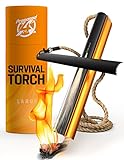
To easily get your small, controlled fire going, a reliable camping fire starter kit can be incredibly helpful for igniting tinder and kindling.
5. Add the coffee grounds to the embers.
- What to do: Carefully place your dry coffee grounds into the container, on top of or near the small fire/embers.
- What “good” looks like: The grounds start to smolder and produce smoke.
- Common mistake: Dumping a huge pile on at once. This can smother the embers. Add them gradually.
When carefully placing coffee grounds onto embers, a pair of heat resistant gloves can protect your hands from accidental burns.

6. Manage the smoke.
- What to do: Gently fan the smoke towards your seating area or the perimeter where mosquitoes are bothering you.
- What “good” looks like: A steady, fragrant plume of coffee-scented smoke wafting through the air.
- Common mistake: Letting the grounds flare up into a full flame. You want smoldering, not burning. If it flares, smother it gently with more grounds or a bit of dirt.
7. Keep the fire going (or relight as needed).
- What to do: Add more grounds or small bits of wood as needed to maintain the smolder.
- What “good” looks like: Consistent smoke production.
- Common mistake: Letting the fire die out completely. You’ll have to restart the whole process.
8. Extinguish the fire completely.
- What to do: Once you’re done, douse the embers and grounds thoroughly with water. Stir them to ensure everything is out.
- What “good” looks like: No heat, no smoke, no glowing embers. The area should be cool to the touch.
- Common mistake: Leaving embers smoldering. This is a fire hazard. Drown it, stir it, and feel it.
9. Clean up and pack out.
- What to do: Pack out all your used grounds and any container remnants. Leave the area as you found it, or better.
- What “good” looks like: A clean campsite with no trace of your activity.
- Common mistake: Leaving coffee grounds scattered around. They’re still waste and can attract unwanted critters.
Common mistakes (and what happens if you ignore them)
| Mistake | What it causes | Fix |
|---|---|---|
| Using wet coffee grounds | Weak or no smoke, messy, difficult to light, inefficient. | Dry grounds thoroughly before packing and using. |
| Not checking fire restrictions | Illegal campfire, hefty fines, potential wildfire, severe ecological damage. | Always verify current fire restrictions with the land manager before you go. |
| Burning in an unsafe location | Accidental wildfire, property damage, injury, legal trouble. | Use designated fire rings or clear a wide safety perimeter in bare earth away from flammables. |
| Using flammable containers | Container melts or burns, spreading fire, creating toxic fumes. | Use only non-flammable containers like metal cans or cast iron. |
| Building too large a fire | Harder to control, wastes fuel, more smoke than needed. | Start with a small fire and add grounds gradually. Focus on smoldering, not large flames. |
| Letting grounds flare up | Burns too quickly, produces less effective smoke, potential for flames. | Gently smother flares with more grounds or dirt. Aim for consistent smoldering. |
| Not extinguishing fire completely | Smoldering embers can reignite, causing a wildfire. | Douse with water, stir, and feel for heat. Repeat until completely cold. |
| Leaving used grounds behind | Littering, attracts pests, violates Leave No Trace principles. | Pack out all used grounds and any remnants. Leave the area cleaner than you found it. |
| Relying solely on coffee smoke | Ineffective mosquito protection, potential for bites, discomfort. | Use coffee smoke as a supplement, not your only defense. Have other repellents ready. |
| Inhaling dense smoke directly | Respiratory irritation, coughing, unpleasant experience. | Position yourself upwind of the smoke, not directly in the thickest plume. |
| Not having water handy for extinguishing | Inability to put out the fire quickly, increased wildfire risk. | Always have a bucket of water or a reliable water source immediately available. |
Decision rules (simple if/then)
- If fire restrictions are in place, then do not attempt to burn coffee grounds because it’s illegal and dangerous.
- If it’s windy, then reconsider burning coffee grounds because the risk of spreading embers is too high.
- If you don’t have a safe place to build a fire, then don’t burn coffee grounds because safety comes first.
- If your coffee grounds are wet, then let them dry out before you try to burn them because wet grounds won’t smolder properly.
- If you are in a high-use camping area with established fire rings, then use one of those for burning coffee grounds because it’s the safest option.
- If you start to see actual flames, then smother them immediately because you want smoldering smoke, not a bonfire.
- If you are unsure about the legality of burning, then check with the land manager before you go because ignorance isn’t a good excuse.
- If you plan to use this method, then bring conventional repellent too because coffee smoke isn’t a guaranteed shield.
- If you are packing out your trash, then pack out your used coffee grounds too because Leave No Trace applies to everything.
- If you notice the smoke is too thick or irritating, then move your position because you don’t want to breathe in the worst of it.
- If you are camping near a water source, then ensure you have enough water to douse the fire thoroughly because you need to be certain it’s out.
FAQ
Will coffee grounds actually keep mosquitoes away?
They can help. The smoke from smoldering coffee grounds is thought to confuse or repel mosquitoes, making it harder for them to find you. It’s not a foolproof barrier, though.
How much coffee do I need?
You don’t need a ton. A cup or two of dried grounds should be enough to produce smoke for a decent amount of time. It depends on the size of your fire and how much you add.
Can I just use fresh coffee grounds?
It’s better to use used grounds. Fresh grounds will burn too quickly and might produce less desirable smoke. Plus, you’re often just throwing used grounds away anyway, so it’s a good way to repurpose them.
How long does the protection last?
The effect is temporary and tied to the smoke. As long as the coffee is smoldering and producing smoke, it offers some protection. Once the smoke stops, so does the repellent effect.
Is this safe for my pets?
Be cautious. While the smell might not bother them, direct exposure to smoke can be irritating for pets, just like it can be for people. Keep them upwind, and ensure they don’t get too close to the fire.
What if I don’t have a metal container?
You can improvise. A large, sturdy piece of aluminum foil can be folded multiple times to create a makeshift dish. Just ensure it’s thick enough and well-supported.
Can I do this indoors?
Absolutely not. Burning anything indoors, especially coffee grounds, is a major fire hazard and will fill your space with smoke, which is unhealthy. This method is strictly for outdoor use.
Does the type of coffee matter?
Not really. Whether it’s dark roast or light roast, espresso or drip, the smoldering properties are similar. The key is that they are used and dried.
What this page does NOT cover (and where to go next)
- Detailed analysis of the chemical compounds in coffee smoke that repel insects.
- Specific commercial bug repellent products and their effectiveness ratings.
- Advanced fire-starting techniques for extreme weather conditions.
- Identification and safe handling of all local wildlife species.
- Permit requirements for campfires in specific national or state parks.

Camping Bob has spent over 20 years camping across the US — from BLM dispersed sites in the Southwest to KOA campgrounds in the Pacific Northwest. He writes practical, no-nonsense guides to help fellow campers get outdoors with confidence.