
Understanding Wind Speeds: What 20 MPH Feels Like
Quick answer
- 20 mph wind feels like a steady, noticeable push.
- It can make walking into the wind tough and rustle trees.
- Small branches might sway, and loose gear can blow away.
- Tent stakes need to be solid; lightweight ones might pull out.
- Campfires need careful management; embers can fly.
- Always check the forecast before heading out.
What to check first (do this before you drive out)
Before you even think about packing the car, get a handle on the conditions. This isn’t just about comfort; it’s about safety.
- Land manager / legality: Who’s in charge out there? Is it the US Forest Service, BLM, a state park, or private land? Each has its own rules about camping, fires, and what you can do. A quick look at their website or a call can save you a headache. I learned that the hard way once when I thought I was on public land and ended up having to pack up.
- Access/road conditions: Is the road to your spot paved, gravel, or just a suggestion? Will your rig handle it? Think about ground clearance, four-wheel drive needs, and if recent rain or snow might have turned things into a mud pit or a slippery mess. Don’t assume your trusty sedan can tackle a logging road.
- Fire restrictions + weather + wind: This is huge. Check for burn bans. Seriously. Then look at the weather forecast – rain, snow, extreme temps. And wind. What’s the predicted speed and direction? Wind can change everything about your trip, from setting up camp to staying warm.
- Water plan + waste plan (Leave No Trace): Where will you get water, and how will you treat it? And what’s your plan for packing out everything you pack in, including human waste if there are no facilities? LNT isn’t just a suggestion; it’s how we keep these places wild.
- Safety (wildlife, distance to help, comms): Know what critters are common in the area and how to store food properly. How far is the nearest ranger station or town? Do you have cell service? A satellite messenger is a good idea if you’re going deep.
Step-by-step (field workflow)
This is how I break it down when I hit the trailhead or the campsite.
1. Assess the immediate wind: As soon as you arrive, feel the wind. Is it a gentle breeze or something that feels like it wants to push you over?
- Good: You can stand comfortably, and leaves are rustling gently.
- Mistake: Ignoring it and setting up in a super exposed spot. You’ll regret that later.
2. Check your shelter site: Look for natural windbreaks like dense trees or rock formations. Avoid saddles or open ridges that act like wind tunnels.
- Good: You found a spot shielded from the prevailing wind.
- Mistake: Picking the most scenic, open spot that’s also the windiest.
3. Secure your tent: Use all guy lines and stakes. Bury stakes if the ground is soft, or use rocks to anchor them.
- Good: Tent is taut and stable, not flapping wildly.
- Mistake: Only using a couple of stakes and hoping for the best.
For securing your tent in 20 MPH winds, consider durable camping tent stakes that can withstand strong gusts.

4. Secure loose gear: Anything not tied down or inside your tent or vehicle is fair game for the wind. Secure tarps, camp chairs, food bags, and cooking gear.
- Good: Everything is battened down, nothing is going to fly away.
- Mistake: Leaving your favorite camp mug or a roll of toilet paper to become a projectile.
5. Manage your campfire (if allowed): Keep it small and contained. Have water and a shovel ready. Don’t build it in an exposed area.
- Good: A controlled fire with minimal smoke and no flying embers.
- Mistake: Building a big fire on an open, windy spot, sending sparks everywhere.
6. Cook smart: Position your stove out of the main wind. Use a windscreen if you have one. Wind can blow out a stove or make cooking take forever.
- Good: Your stove flame is steady, and you’re cooking efficiently.
- Mistake: Struggling with a flickering flame that takes ages to boil water.
7. Stay aware of your surroundings: Wind can bring down dead branches (widowmakers) or cause trees to sway more than you’d expect. Keep an eye on what’s overhead.
- Good: You’re aware of potential hazards and have chosen a safe spot.
- Mistake: Setting up directly under a large, dead-looking tree.
8. Communicate your plans: If you’re in a windy, remote area, let someone know where you are and when you expect to be back.
- Good: Someone knows your itinerary and can check in.
- Mistake: Heading into the backcountry with no one knowing your whereabouts.
Common mistakes (and what happens if you ignore them)
| Mistake | What it causes | Fix |
|---|---|---|
| Ignoring wind forecasts | Surprise gusts can destroy tents, blow away gear, and make campfires dangerous. | Always check the forecast and be prepared for windier conditions than predicted. |
| Setting up in an exposed location | Constant wind makes sleeping difficult, chills you to the bone, and puts extra stress on your shelter. | Seek natural windbreaks like trees, boulders, or dips in the terrain. |
| Not staking your tent properly | Your tent can lift off the ground, rip seams, or collapse on you during strong gusts. | Use all guy lines and stakes. Bury stakes in soft ground or weigh them down with rocks. |
| Leaving loose items unsecured | Gear can blow away, get damaged, or become a hazard to others. Your camp chair might end up in the next county. | Secure all loose items inside your tent, vehicle, or tie them down. Think about anything that could lift off. |
| Building a campfire in high winds | Embers can fly, starting wildfires. It’s also incredibly inefficient and hard to control. | Only have fires when conditions are safe and legal. Keep them small, contained, and have water/shovel ready. Consider a camp stove for cooking instead. |
| Not using a windscreen for your stove | Wind can blow out your stove’s flame, making cooking take much longer and wasting fuel. | Use a dedicated windscreen or improvise one with rocks or your pack. Position your stove out of the direct wind. |
| Underestimating the wind’s effect on temps | Wind chill can make a cool day feel dangerously cold, increasing the risk of hypothermia. | Pack extra layers and ensure your shelter is well-sealed against drafts. |
| Ignoring potential falling hazards | Wind can snap branches or even topple dead trees, posing a serious risk to campers below. | Scan the area above your campsite for dead or weak-looking branches and avoid setting up directly under large trees in windy conditions. |
| Not having a backup plan for shelter | If your tent fails in high winds, you need a plan B, like a vehicle or a sturdy rock overhang. | Know your surroundings and have a contingency in mind if your primary shelter becomes untenable. |
| Not securing food from animals | Wind can blow open poorly secured food containers, attracting wildlife to your campsite. | Use bear-resistant containers or hang food bags properly, ensuring they are sealed tightly. |
Decision rules (simple if/then)
- If wind is forecast above 25 mph, then reconsider your trip or choose a very sheltered location because even sturdy tents can struggle.
- If you see “high wind warning” on the forecast, then postpone your trip or have a very solid, low-profile shelter plan because conditions can be dangerous.
- If the ground is soft and wet, then use longer stakes or anchor them with rocks because standard stakes will pull out easily.
- If you’re on an exposed ridgeline, then find a lower, more sheltered spot for your tent because you’ll be directly in the wind’s path.
- If you’re cooking, then use a windscreen for your stove because it will save fuel and time.
- If you have a lightweight backpacking tent, then be extra diligent with staking and guy lines because these tents are more susceptible to wind damage.
- If you’re in a canyon, then be aware of potential “tunneling” effects where wind can funnel and increase in speed.
- If you’re car camping, then use your vehicle as a windbreak when possible because it’s a solid, reliable shield.
- If you see dead branches overhead, then move your campsite because they can fall in strong winds.
- If you’re unsure about fire safety, then skip the campfire and use a stove because safety is paramount.
- If you’re in a popular area with designated sites, then use the most sheltered site available even if it’s not the most scenic.
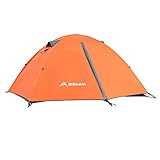
If you’re using a lightweight backpacking tent, ensure it’s designed to handle wind and use all available guy lines and stakes.
FAQ
How strong is 20 mph wind?
It’s a steady, noticeable force. You’ll feel it pushing against you when you walk, and it will rustle leaves and small branches in trees. It’s enough to make a campfire difficult to manage.
Can 20 mph wind damage a tent?
A properly set-up, sturdy tent should handle 20 mph winds fine. However, lightweight or poorly staked tents can suffer damage like ripped seams or poles bending.
While a sturdy tent should be fine, a lightweight backpacking tent might be more susceptible to damage in 20 mph winds if not properly secured.
What does 20 mph wind feel like when hiking?
It makes hiking into the wind a workout. You’ll lean into it, and it can kick up dust or debris. Hiking with the wind at your back can feel like a boost.
Is 20 mph wind bad for camping?
It’s not ideal, but manageable with preparation. It means you need to be more mindful of securing your gear and choosing your campsite wisely. It’s definitely not a calm, still night.
Should I worry about wildlife at 20 mph winds?
Wind can sometimes make animals a bit more skittish or, conversely, make them seek shelter. The main concern is that wind can blow open poorly secured food containers, attracting them to your camp.
How does wind affect campfire safety?
Wind is a major factor. It can make fires harder to start and control, and it can carry embers long distances, increasing the risk of wildfire. Always check restrictions and be extra cautious.
What kind of gear is most affected by 20 mph winds?
Lightweight items are most vulnerable: tarps, camp chairs, unweighted food bags, and even smaller tents. Anything that isn’t anchored down can become a projectile.
Can I still cook at 20 mph winds?
Yes, but it’s harder. You’ll need a good windscreen for your stove, and cooking times might increase. Position yourself and your stove out of the direct wind.
What should I do if the wind picks up unexpectedly?
First, check your tent’s stakes and guy lines. Secure any loose gear immediately. If the wind gets severe, consider moving to a more sheltered location or packing up if it becomes unsafe.
When should I consider canceling a camping trip due to wind?
If forecasts predict sustained winds significantly above 20-25 mph, especially with gusts, or if you lack the proper gear and experience to handle such conditions, it’s wise to reschedule.
What this page does NOT cover (and where to go next)
- Specific campsite recommendations for wind protection. (Check park websites or guidebooks for local terrain.)
- Detailed tent pitching techniques for extreme weather. (Look for advanced camping skills guides.)
- How to build a survival shelter in high winds. (Survival training courses are best for this.)
- The physics of wind and its impact on different landscapes. (Meteorology resources can explain this.)
- Legal regulations regarding campfires in specific national forests or parks. (Always check the land manager’s official site.)

Camping Bob has spent over 20 years camping across the US — from BLM dispersed sites in the Southwest to KOA campgrounds in the Pacific Northwest. He writes practical, no-nonsense guides to help fellow campers get outdoors with confidence.