
Setting Up a Canopy Tent Solo: Tips and Tricks
Quick answer
- Pick a level spot. Wind is your enemy.
- Lay out all poles and fabric first. Know what goes where.
- Use the stakes and guy lines. Don’t skip this.
- Get a helper if you can. Even one person makes it easier.
- Practice at home. Seriously, do it.
- Secure it down tight. Every single time.
What to check first (do this before you drive out)
Before you even think about hitting the road, a little prep goes a long way. You don’t want to get to your spot and realize you’re missing something or the conditions are gnarly.
- Land manager / legality: Who owns this patch of dirt? Is it National Forest, BLM land, a state park, or private? Different folks have different rules. A quick check on their website or a call can save you headaches. Sometimes there are permits or specific camping areas.
- Access/road conditions: Can your rig actually get there? Is it a smooth dirt road, or are we talking rocks, mud, or snow? Know your vehicle’s capabilities. A sedan isn’t tackling a rutted-out forest service road. Check recent trip reports if you can.
- Fire restrictions + weather + wind: This is huge. Are campfires allowed? What about cooking stoves? Fire bans are common, especially in dry seasons. Check the weather forecast for rain, extreme heat, or, most importantly for a canopy tent, wind. High winds are the biggest danger to these structures.
- Water plan + waste plan (Leave No Trace): Where will you get water? Is there a potable source, or do you need to bring it all? And what about trash? Pack it in, pack it out. That’s the golden rule. Know where you can properly dispose of waste.
- Safety (wildlife, distance to help, comms): Be aware of local wildlife. Know what to do if you encounter bears or other animals. How far are you from the nearest ranger station or town? Do you have cell service? Consider a satellite communicator if you’re going remote.
Step-by-step (field workflow)
Setting up a canopy tent solo is totally doable. It just takes a bit of patience and a methodical approach. Think of it like building a complicated Lego set, but outside.
Setting up a pop up canopy tent solo is totally doable with a bit of patience. For a reliable option, consider this highly-rated pop up canopy tent.

1. Scout your location: Find a flat, open area. Avoid low spots that might fill with water.
- Good looks like: A level patch of ground, clear of sharp rocks or roots.
- Common mistake: Picking a spot with a noticeable slope. Your table will slide, and you’ll feel like you’re on a boat. Avoid it by walking around and feeling the ground.
2. Unpack and organize: Lay out all the pieces. Identify the legs, the top, the frame pieces, stakes, and guy lines.
- Good looks like: Everything is visible and you know what’s what.
- Common mistake: Rushing and trying to assemble without knowing where everything goes. You’ll end up digging through the bag mid-setup.
3. Assemble the frame (partially): Connect the main frame pieces, but don’t lock them into their final position yet. Leave the legs slightly retracted.
- Good looks like: The basic structure is together but still a bit wobbly.
- Common mistake: Fully extending the legs too early. This makes the whole thing unwieldy and hard to maneuver.
4. Attach the canopy top: Drape the fabric top over the partially assembled frame. Make sure the corners are roughly aligned.
- Good looks like: The fabric is centered and ready to be pulled taut.
- Common mistake: Trying to force it on when it’s not oriented correctly. You can rip the fabric or struggle unnecessarily.
5. Extend the legs (carefully): One leg at a time, extend it just enough so the frame starts to lift off the ground.
- Good looks like: The tent is starting to take shape, with a little height.
- Common mistake: Extending one leg all the way while the others are short. This puts uneven stress on the frame and fabric.
6. Secure the legs: Once you have some height, push the legs down until they lock into place. You’ll often hear a click.
- Good looks like: All legs are fully extended and locked securely.
- Common mistake: Not fully engaging the locking mechanism. The tent can collapse unexpectedly.
7. Tighten the fabric: Pull the corners of the canopy top down and secure them to the legs.
- Good looks like: The fabric is taut and wrinkle-free.
- Common mistake: Leaving the fabric loose. This allows wind to catch it like a sail.
8. Stake it down: This is critical. Drive the stakes through the designated loops at the bottom of each leg.
- Good looks like: Stakes are angled away from the tent and driven deep into the ground.
- Common mistake: Just placing the stakes loosely or not driving them in far enough. They’ll pull out in the first gust of wind.
9. Attach and tension guy lines: Connect the guy lines to the canopy corners or frame. Extend them outwards and stake them down.
- Good looks like: Guy lines are snug, creating a stable perimeter.
- Common mistake: Skipping the guy lines. They provide crucial stability, especially in breezy conditions.
Connect the guy lines to the canopy corners or frame. For optimal stability and ease of adjustment, consider upgrading to these durable guy line tensioners.
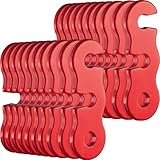
10. Final check: Walk around the tent. Ensure everything is tight, locked, and secure.
- Good looks like: A solid, stable structure ready for the elements.
- Common mistake: Assuming it’s good after the last step. A quick once-over catches potential issues.
Common mistakes (and what happens if you ignore them)
| Mistake | What it causes | Fix |
|---|---|---|
| Not checking wind forecast | Tent can blow away or collapse, causing damage. | Always check the forecast. If it’s too windy, reconsider setup. |
| Setting up on uneven ground | Uneven weight distribution, potential collapse. | Find the flattest spot possible. |
| Not staking down securely | Tent can lift or blow away, damaging property. | Use all stakes and guy lines. Drive stakes deep and angled. |
| Not using guy lines | Reduced stability, especially in wind. | Always attach and tension guy lines. |
| Rushing the frame assembly | Misaligned parts, bent poles, difficult setup. | Lay out all parts first. Follow instructions carefully. |
| Not fully locking leg mechanisms | Legs can slip, causing partial collapse. | Listen for the “click” and visually confirm legs are locked. |
| Leaving fabric loose | Wind catches fabric, putting stress on the frame. | Pull fabric taut and secure it to all attachment points. |
| Ignoring land manager rules | Fines, eviction from campsite, bad reputation. | Check official websites or call ahead for regulations. |
| Not clearing the ground before setup | Punctured canopy, damaged frame, uncomfortable floor. | Remove rocks, sticks, and debris from your setup area. |
| Trying to force parts together | Bent poles, torn fabric, broken connectors. | If it doesn’t fit easily, re-check alignment and instructions. |
| Packing up too quickly without drying | Mold and mildew on the fabric. | Let the canopy dry completely before packing it away. |
Decision rules (simple if/then)
- If the wind forecast is over 20 mph, then don’t set up your canopy tent, because it’s a safety hazard.
- If the ground is soft or sandy, then use longer stakes and more guy lines because standard stakes won’t hold.
- If you’re setting up in a crowded campground, then choose a spot away from other tents because you don’t want to be a nuisance.
- If you see signs of bear activity, then secure your food properly and keep your campsite clean because you don’t want to attract unwanted visitors.
- If you’re unsure about fire restrictions, then err on the side of caution and assume fires are banned because the penalties can be severe.
- If you’re setting up near water, then be aware of potential flash floods and choose higher ground because you don’t want your camp washed away.
- If you have a pop-up canopy with a heavier frame, then consider bringing a friend because the solo setup can be challenging.
- If you plan to leave your canopy up for an extended period, then invest in heavy-duty stakes and consider sandbags for extra weight because weather can change quickly.
- If you notice any damage to your canopy tent before setting it up, then repair it now because a small tear can become a big problem in the wind.
- If you’re in an area with lots of bugs, then consider a canopy with side walls or netting because it makes a huge difference for comfort.
- If you’re setting up a canopy for shade on a hot day, then orient it to block the sun and consider bringing a fan because heat can be intense.
If you have a pop-up canopy with a heavier frame, then consider bringing a friend because the solo setup can be challenging. This pop up canopy tent offers a good balance of portability and stability.
FAQ
Q: How do I keep my canopy tent from blowing away?
A: Secure it with all available stakes and guy lines. Drive stakes deep, angled away from the tent. If it’s extremely windy, it might be best to take it down.
Q: Can I set up a canopy tent by myself?
A: Yes, you absolutely can. It just takes a bit more patience and a methodical approach. Practicing at home first is a game-changer.
Q: What’s the best way to choose a spot for my canopy?
A: Look for a flat, level area clear of debris. Avoid low spots that could flood and areas directly under dead trees or branches.
Q: How important are the guy lines?
A: Very important. They provide essential stability and prevent the tent from shifting or lifting in the wind. Don’t skip them.
They provide essential stability and prevent the tent from shifting or lifting in the wind. Don’t skip them, and for even better performance, check out these robust guy line tensioners.
Q: My canopy came with stakes, but they seem flimsy. What should I do?
A: For more secure setups, especially in softer ground, consider purchasing longer, sturdier stakes. They make a big difference.
Q: What if it starts to rain heavily?
A: Ensure all the fabric is taut. If the rain is accompanied by strong winds, you might need to take it down to prevent damage.
Q: Can I use weights instead of stakes?
A: Yes, weights or sandbags can be an option, especially on hard surfaces where stakes won’t go in. Just make sure they are heavy enough for the conditions.
Q: How do I clean my canopy tent?
A: Usually, mild soap and water are sufficient. Let it air dry completely before storing it to prevent mold and mildew.
Q: What’s the biggest danger with canopy tents?
A: Wind. High winds can easily lift, damage, or destroy a canopy tent if it’s not properly secured.
What this page does NOT cover (and where to go next)
- Specific canopy tent models and their unique assembly instructions. (Refer to your product manual.)
- Detailed campsite reservation systems or booking procedures. (Check official park or forest service websites.)
- Advanced storm-proofing techniques for extreme weather. (Look for resources on emergency preparedness.)
- Legal regulations regarding camping permits or land use in specific national parks or forests. (Consult the relevant land management agency.)
- In-depth wildlife safety protocols for remote areas. (Seek out guides on wilderness safety and animal encounters.)

Camping Bob has spent over 20 years camping across the US — from BLM dispersed sites in the Southwest to KOA campgrounds in the Pacific Northwest. He writes practical, no-nonsense guides to help fellow campers get outdoors with confidence.