
Safely Lighting And Managing A Large Bonfire
Quick answer
- Always check local fire restrictions before you even think about a fire. Seriously.
- Pick a spot away from trees, tents, and anything flammable.
- Build a base of dry tinder, then kindling, then larger fuel.
- Never leave a fire unattended, not even for a minute.
- Have water and a shovel ready to go, just in case.
- Douse the fire completely with water, stir the ashes, and douse again until it’s cold.
What to check first (do this before you drive out)
Before you even load up the truck, you gotta do your homework. This ain’t the time to wing it.
- Land manager / legality: Who owns this dirt? Is it National Forest, BLM land, a state park, or private? Each has its own rules. Some places have year-round fire bans, others only during dry seasons. A quick call or website check with the managing agency is key. This is where you find out if bonfires are even allowed.
- Access/road conditions: Can your rig actually get to where you want to camp? A bonfire often means a more remote spot. Know if you need 4WD, good clearance, or if the road turns to muck after a rain. Don’t get stuck miles from anywhere.
- Fire restrictions + weather + wind: This is non-negotiable. Check the current fire danger level. Is it high, very high, or extreme? If so, no fires, period. Also, check the forecast. High winds are a bonfire’s best friend for spreading embers. Rain is good for putting them out, but not for sitting around one.
- Water plan + waste plan (Leave No Trace): How are you going to put this thing out? You need a serious amount of water. Think gallons, not cups. And what about the ashes afterward? LNT principles say to scatter cold ashes, but some areas have specific disposal rules. Pack it in, pack it out – even the ash residue if required.
- Safety (wildlife, distance to help, comms): Keep your campsite clean. Don’t leave food out that attracts critters. Know how far the nearest ranger station or town is. Cell service is usually spotty in prime bonfire country. Have a plan for emergencies.
Step-by-step (field workflow)
Alright, you’ve done your checks. Now, let’s get this fire going right.
1. Choose your spot.
- What to do: Find a clear, open area at least 15-25 feet away from trees, bushes, tents, and vehicles. A spot with a designated fire ring is ideal. If not, clear a 10-foot diameter circle down to bare dirt.
- What “good” looks like: A safe zone with no flammable materials nearby. The ground is bare dirt or sand.
- Common mistake: Picking a spot too close to overhanging branches or dry grass. Avoid this by looking up and all around.
2. Gather your materials.
- What to do: Collect tinder (dry leaves, pine needles, birch bark), kindling (small, dry twigs, pencil-thick), and fuelwood (larger, dry branches and logs). Gather more than you think you’ll need.
- What “good” looks like: A neat pile of dry materials categorized by size.
- Common mistake: Using wet or green wood, which smokes a lot and burns poorly. Stick to dead, dry wood.
3. Build the base.
- What to do: Place a generous amount of tinder in the center of your cleared area or fire ring.
- What “good” looks like: A fluffy, dry nest of tinder ready to catch a spark.
- Common mistake: Not having enough tinder or having it be damp. Always bring a backup like cotton balls soaked in petroleum jelly.
4. Add kindling.
- What to do: Lean a teepee or crisscross a good amount of kindling over and around the tinder. Leave space for air to flow.
- What “good” looks like: A structure that allows air to reach the tinder and provides fuel for the initial flame.
- Common mistake: Packing the kindling too tightly, smothering the tinder. Airflow is your friend.
5. Light the tinder.
- What to do: Use a long match or lighter to ignite the tinder from the bottom. Shield it from wind.
- What “good” looks like: The tinder catches quickly and starts to burn, igniting the kindling.
- Common mistake: Trying to light it from the top, or not using enough ignition source.
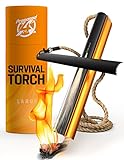
To make lighting your bonfire easier and safer, consider using a reliable camping fire starter kit. These kits often include waterproof matches, fire-starting cubes, or ferro rods to get your tinder going quickly.
6. Feed the flames.
- What to do: As the kindling catches, gradually add larger pieces of kindling, then small fuelwood. Don’t overload it. Let the fire establish itself.
- What “good” looks like: A steady flame that grows as you add progressively larger fuel.
- Common mistake: Dumping a huge log on a small flame. This will kill it. Build it up slowly.
7. Manage the fire.
- What to do: Add larger fuelwood as needed to maintain the desired size. Keep the fire contained within the ring or cleared area.
- What “good” looks like: A controlled fire that is burning efficiently and not producing excessive sparks.
- Common mistake: Letting the fire get too big and unmanageable, or letting burning logs roll out of the ring.
8. Keep it attended.
- What to do: Never, ever leave a fire unattended. Designate a fire watcher if you need to step away briefly.
- What “good” looks like: Someone is always actively observing the fire and its surroundings.
- Common mistake: Stepping away to grab gear, go to the restroom, or take a nap. This is how bad things happen.
9. Prepare for extinguishing.
- What to do: Before you even think about leaving or going to bed, start gathering your extinguishing supplies: buckets of water, shovel, and dirt.
- What “good” looks like: Everything is within easy reach and ready to deploy.
- Common mistake: Realizing you don’t have enough water or the shovel is buried under gear.
10. Extinguish completely.
- What to do: Pour water over the entire fire, including embers and ashes. Stir the ashes with a shovel. Pour more water. Repeat until everything is cool to the touch.
- What “good” looks like: No hot embers, no smoke, and the ashes feel cold when you carefully touch them.
- Common mistake: Thinking it’s out when it’s just “mostly” out. Hot embers can reignite hours later.
Common mistakes (and what happens if you ignore them)
| Mistake | What it causes | Fix |
|---|---|---|
| Ignoring fire restrictions | Fines, jail time, and starting wildfires that destroy homes and ecosystems. | Always check current fire bans with the land manager before you go. |
| Poor site selection | Spreading embers to dry grass, trees, or tents; potential for wildfire. | Clear a 10-foot radius of all flammable materials and stay at least 15-25 feet from trees and structures. |
| Using wet or green wood | Excessive smoke, poor burning, and frustration. | Collect dead, dry wood. If unsure, bring a small amount of dry starter wood. |
| Building a fire too large | Difficult to control, increased risk of escaping embers, uses excessive fuel. | Start small and add fuel gradually. Keep the fire manageable for the conditions. |
| Leaving the fire unattended | Escaped embers igniting surrounding vegetation, leading to wildfires. | Never leave a fire alone, not even for a minute. Designate a fire watcher. |
| Inadequate extinguishing water/tools | Fire not fully extinguished, reigniting later. | Have multiple gallons of water and a shovel readily accessible before lighting. |
| Not stirring ashes during extinguishing | Hot embers buried deep can remain hot and reignite. | Stir the fire bed thoroughly with a shovel while dousing with water. |
| Assuming the fire is out when it’s not | Wildfires starting from smoldering embers hours or days later. | Douse, stir, and douse again. Feel the ashes with the back of your hand to ensure they are cold. |
| Building a fire on peat or root systems | Fire can burn underground for days or weeks, reigniting later. | Stick to bare mineral soil or established fire rings. Avoid areas with thick organic ground cover. |
| Not having a clear escape route/plan | Getting trapped by a rapidly spreading fire. | Know your surroundings and have a clear path to safety. |
Decision rules (simple if/then)
- If fire danger is “high” or above, then do not build a fire because it’s a major wildfire risk.
- If wind is gusting over 15-20 mph, then consider skipping the bonfire because embers can travel far and fast.
- If you can’t find a designated fire ring, then clear a 10-foot diameter circle down to bare mineral soil because this creates a safe zone.
- If your wood is damp, then use extra tinder and kindling to get it going because wet wood needs more heat to ignite.
- If you see sparks jumping the fire pit, then immediately add more water and smother the flames because this is an early sign of trouble.
- If you plan to leave your campsite for more than 30 minutes, then fully extinguish the fire because unattended fires are dangerous.
- If you have children or pets, then maintain extra vigilance around the fire because they can get too close without realizing the danger.
- If the temperature is very hot and dry, then be extra cautious with fire because the environment is more susceptible to ignition.
- If you are in a drought-stricken area, then err on the side of caution and consider a camp stove instead of a bonfire because these areas are highly sensitive.
- If you hear crackling embers after dousing with water, then stir and douse again because hot spots can remain hidden.
- If you are unsure about any rule or restriction, then err on the side of safety and call the local ranger station because better safe than sorry.
FAQ
Q: How big can a bonfire safely be?
A: Bonfire size isn’t strictly defined by feet, but by manageability. Keep it contained within a designated ring or a cleared 10-foot diameter area. You should be able to easily throw a shovel full of dirt or a bucket of water onto any part of it.
Q: What’s the best wood for a bonfire?
A: Dry, seasoned hardwoods like oak, maple, or hickory burn long and hot with less smoke. Softwoods like pine can be used for starting but burn faster and can spark more. Always ensure wood is dead and dry.
Q: Can I use accelerants like lighter fluid?
A: It’s generally not recommended. Accelerants can cause dangerous flare-ups and leave chemical residues. Use proper tinder and kindling techniques instead. If you must use something, a small amount of commercial fire starter is better than gasoline.
Instead of dangerous accelerants, a good camping fire starter kit can help you get your fire going safely and efficiently. These kits provide controlled ignition without the risks associated with lighter fluid.
Q: What if a spark lands on my tent or dry grass?
A: Act immediately. If it’s a small ember, stomp it out or smother it with dirt. If it starts to catch, use your water and shovel to extinguish it before it grows. This is why a cleared area and watchful eyes are crucial.
Q: How much water do I really need to put out a bonfire?
A: More than you think. For a decent-sized bonfire, you’ll want at least 5-10 gallons of water, plus more available. It’s better to have too much than too little when you’re trying to ensure it’s completely out.
Q: Can I bury my bonfire ashes?
A: This depends on the land manager’s rules. In many wilderness areas, you should scatter cold ashes widely. In established campgrounds, you might be expected to leave them in the fire ring. Always check local regulations.
Q: Is it okay to leave a fire burning while I sleep?
A: Absolutely not. Fires should never be left unattended, even for a short nap. The risk of an escaped ember igniting your surroundings is too high. Always extinguish it completely before sleeping.
Q: What are the consequences of starting an illegal fire?
A: You could face hefty fines, be required to pay for wildfire suppression costs, and even face jail time. Beyond legal trouble, you risk causing devastating environmental damage.
What this page does NOT cover (and where to go next)
- Specific campsite regulations for individual parks or forests.
- Detailed techniques for building different types of fire structures beyond basic needs.
- Advanced wildfire fighting or prevention strategies.
- Information on camp stoves or other alternative cooking/heating methods.
- Legal ramifications and penalties for specific jurisdictions.

Camping Bob has spent over 20 years camping across the US — from BLM dispersed sites in the Southwest to KOA campgrounds in the Pacific Northwest. He writes practical, no-nonsense guides to help fellow campers get outdoors with confidence.