
Understanding Campfire Temperatures: How Hot Do They Get?
Quick answer
- Campfires can reach temperatures between 600°F and 1100°F (315°C to 593°C), depending on fuel, airflow, and size.
- Higher temperatures mean faster burning and more intense heat.
- Dry, seasoned hardwood burns hotter and longer than softwoods or damp wood.
- Good airflow is crucial for a hot fire; too much or too little can cool it down.
- Always check fire restrictions before planning a campfire.
- Proper fire management is key for safety and efficiency.
What to check first (do this before you drive out)
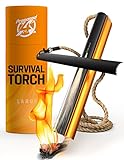
Before you head out, consider packing a reliable camping fire starter kit to ensure you have all the essentials for a safe and efficient fire.
Before you even think about building a fire, you need to do some homework. Skipping this is a fast track to trouble.
- Land manager / legality: Who’s in charge of the land you’re heading to? Is it National Forest, BLM land, a State Park, or private property? Each has its own rules about fires. A quick check on their official website or a call can save you a headache. I usually just hit up the local ranger district’s site.
- Access/road conditions: Can your rig actually get there? Some backroads are no joke. Know if you need 4WD, good clearance, or if it’s a hike-in situation. Mud, snow, or washouts can turn a fun trip into a tow-truck adventure.
- Fire restrictions + weather + wind: This is non-negotiable. Fire bans are serious business. Check the current restrictions for the area. Also, look at the forecast. High winds are a fire’s best friend, and not in a good way. A gentle breeze is nice, but anything more can make a small fire a big problem.
- Water plan + waste plan (Leave No Trace): Always have water and a shovel ready before you light anything. Know how you’ll dispose of your ashes properly. That means dousing them until they are cool to the touch, stirring, and repeating. Pack it in, pack it out, including all trash.
- Safety (wildlife, distance to help, comms): Keep a safe distance from your tent and any dry vegetation. Be aware of local wildlife and how to store food properly. How far is the nearest town or ranger station? Do you have cell service? Consider a satellite messenger if you’re going remote.
Step-by-step (field workflow)
This is how you build a fire right. It’s not rocket science, but it takes a little care.
1. Choose your spot: Find a designated fire ring or a clear, bare spot at least 15 feet from any flammable material.
- Good looks like: A safe, established spot that won’t scar the landscape.
- Common mistake: Building a fire in a beautiful, but unsafe, spot near dry grass or overhanging branches. Avoid this by scouting carefully.
2. Clear the area: Remove all leaves, pine needles, and other combustibles from a 10-foot radius around your chosen spot.
- Good looks like: A wide circle of bare dirt or rock.
- Common mistake: Only clearing a small patch, thinking it’s enough. Wind can carry embers far.
3. Gather tinder: This is your fire starter – dry leaves, bark shavings, cotton balls with petroleum jelly. It needs to catch a spark easily.
- Good looks like: Small, fluffy, bone-dry material.
- Common mistake: Using damp or green material that just smolders. Keep your tinder dry!
4. Gather kindling: Small twigs, about pencil-lead to pencil thickness. These catch fire from the tinder.
- Good looks like: A good pile of dry, brittle twigs.
- Common mistake: Trying to use larger sticks too early. Kindling bridges the gap.
5. Gather fuel wood: Larger pieces of dry wood, from thumb-thickness up to wrist-thickness. This is what sustains the fire.
- Good looks like: A variety of dry, seasoned hardwood pieces.
- Common mistake: Using wet or green wood, which smokes a lot and burns poorly. Find dead, standing wood if possible.
6. Build a base: Arrange your tinder loosely in the center of the cleared area or fire ring.
- Good looks like: A small, airy nest of tinder.
- Common mistake: Packing the tinder too tightly, choking off airflow.
7. Add kindling: Lean your kindling over the tinder, creating a teepee or log cabin structure, leaving space for air.
- Good looks like: A structure that allows air to reach the tinder from multiple angles.
- Common mistake: Smothering the tinder by piling on too much kindling too soon.
8. Light the tinder: Use a match or lighter to ignite the tinder from the bottom.
- Good looks like: The tinder catches fire and begins to burn steadily.
- Common mistake: Not shielding the flame from wind or not getting the tinder hot enough.
9. Feed the flame: As the kindling catches, gradually add larger pieces of kindling, then small fuel wood. Don’t rush it.
- Good looks like: A steady, growing flame that consumes the wood.
- Common mistake: Adding too much wood too fast, which can smother the flames.
10. Maintain the fire: Once you have a good bed of coals, add larger fuel wood as needed to keep it going. Keep it contained.
- Good looks like: A controlled fire that provides heat without getting out of hand.
- Common mistake: Letting the fire get too big or letting embers escape the fire ring.
11. Extinguish completely: When you’re done, douse the fire with plenty of water. Stir the ashes with a shovel until everything is cool to the touch.
- Good looks like: No visible embers, no heat radiating from the ashes.
- Common mistake: Thinking it’s “out” when it’s just stopped flaming. Coals can stay hot for hours.
For step 3, gathering tinder, a quality tinder bundle fire starter can make igniting your campfire much easier and more reliable.

Common mistakes (and what happens if you ignore them)
| Mistake | What it causes | Fix |
|---|---|---|
| Ignoring fire restrictions | Fines, jail time, and devastating wildfires. | Always check current fire bans and conditions before you go. |
| Building a fire in an unsafe location | Spreading wildfire, damaging vegetation, or burning down your campsite. | Use designated fire rings or clear a 10-foot radius of all combustibles. |
| Using wet or green wood | Excessive smoke, low heat, and a fire that’s hard to keep going. | Gather dry, dead, seasoned wood. Hardwoods burn hotter and longer than softwoods. |
| Not having water and a shovel ready | Inability to control a flare-up or extinguish the fire properly. | Always have these tools within arm’s reach <em>before</em> you strike a match. |
| Adding too much wood at once | Smothering the flames, reducing heat, and creating more smoke. | Feed the fire gradually, allowing each piece to catch before adding more. |
| Not stirring embers when extinguishing | Hot coals can reignite hours later, especially in wind or dry conditions. | Stir thoroughly with a shovel and douse with water until cold. |
| Leaving a fire unattended | Accidental spread of embers, leading to uncontrolled fires. | Never leave a fire unattended, even for a few minutes. |
| Not clearing enough area around the fire | Embers can easily ignite surrounding dry grass, leaves, or overhanging branches. | Maintain a 10-foot clear zone around your fire pit. |
| Building a fire in high winds | Rapid spread of embers and an uncontrollable fire. | Postpone your campfire if winds are strong. Check the forecast. |
| Not understanding airflow | A fire that smolders or burns too quickly. | Allow for airflow when building and feeding the fire; don’t pack it too tightly. |
Decision rules (simple if/then)
- If fire restrictions are in place, then do not build a campfire because it’s illegal and dangerous.
- If the wind is picking up significantly, then consider extinguishing your fire because it can quickly become uncontrollable.
- If you are in a designated fire pit, then you still need to check for nearby dry materials that could catch fire.
- If you are using softwood, then expect it to burn faster and hotter, requiring more frequent feeding.
- If your fire is producing excessive smoke, then you likely have too much fuel or not enough airflow, or the wood is damp.
- If you see embers escaping the fire ring, then immediately douse them with water and consider if the fire is too large for conditions.
- If you are unsure if the fire is completely out, then add more water and stir again because “cool to the touch” is the only reliable indicator.
- If you are camping in a very dry environment, then err on the side of caution and consider a camp stove instead of a fire.
- If your wood is damp, then try to dry it out near the fire (but not too close!) before adding it to the main flames.
- If you are running low on fuel wood, then gather more before the fire dies down too much, but only from dead and downed sources.
- If you have children or pets, then ensure they maintain a safe distance from the fire at all times.
FAQ
How hot can a campfire get?
Campfires typically range from 600°F to 1100°F (315°C to 593°C). The actual temperature depends on the type of wood, how dry it is, and how much air it’s getting.
Does the type of wood matter for campfire temperature?
Absolutely. Dry, dense hardwoods like oak or maple burn hotter and longer than softwoods like pine or fir. Hardwoods produce better coals too.
What is the best way to start a campfire?
Use dry tinder (like cotton balls soaked in petroleum jelly or fine wood shavings) to catch a spark, then gradually add small kindling twigs, followed by larger fuel wood. Good airflow is key from the start.
How do I know if my campfire is truly out?
The only way to be sure is to douse it thoroughly with water, stir the ashes with a shovel, and feel them to ensure they are cold. Repeat until no heat is detectable.
Can I build a fire on sandy ground?
Sandy ground can be okay if it’s clear of all vegetation and organic matter for at least 10 feet around. However, sand can retain heat, so be extra diligent when extinguishing.
What’s the deal with airflow and fire temperature?
More airflow generally means a hotter fire, up to a point. Too much can blow the heat away, while too little starves the fire of oxygen, making it smolder and produce less heat.
When should I just use a camp stove instead of a campfire?
If fire restrictions are in place, if the area is very dry and windy, or if you’re in a place where campfires are prohibited or discouraged, a camp stove is the responsible choice.
What does “seasoned wood” mean for a campfire?
Seasoned wood means it’s been dried out for a significant period, typically 6-12 months. This removes most of the moisture, allowing it to burn cleanly and hot.
What this page does NOT cover (and where to go next)
- Specific regulations for individual campgrounds or dispersed camping areas. (Check the land manager’s website).
- Detailed instructions on building specialized fire structures like rocket stoves or Dakota fire holes. (Research survival or bushcraft resources).
- In-depth information on identifying edible or medicinal plants for fire starting. (Consult expert guides and local knowledge).
- Advanced techniques for fire starting without matches or lighters. (Explore friction fire methods or ferro rod techniques).
- Legal ramifications for starting an illegal fire. (Consult local law enforcement or fire authorities).

Camping Bob has spent over 20 years camping across the US — from BLM dispersed sites in the Southwest to KOA campgrounds in the Pacific Northwest. He writes practical, no-nonsense guides to help fellow campers get outdoors with confidence.