
The Perfect Way to Cook Delicious S’mores
Quick answer
- Use a campfire or charcoal grill for best flavor.
- Toast your marshmallow to golden brown, not burnt black.
- Choose quality chocolate for maximum meltiness.
- Use graham crackers and a sturdy stick.
- Pack out all your trash, especially marshmallow bits.
- Keep water and a shovel nearby for fire safety.
What to check first (do this before you drive out)
Before you even think about gooey chocolate and toasted marshmallows, a little prep goes a long way.
- Land manager / legality: Who’s in charge of this patch of dirt? Is it National Forest, BLM land, a State Park, or private? Each has its own set of rules. A quick look at their website or a call can save you a headache. Always know if campfires are even allowed where you’re headed.
- Access/road conditions: Can your rig even get there? Is it paved, gravel, or just a suggestion of a trail? Check for recent weather reports. Mud, snow, or washouts can turn a fun trip into a tow-truck situation. If you’re in a 2WD sedan, maybe stick to the established campgrounds.
- Fire restrictions + weather + wind: This is crucial. Fire bans are common, especially in dry seasons. Check the local fire danger rating. Beyond that, look at the forecast. High winds are a s’mores-ruining, fire-spreading menace.
- Water plan + waste plan (Leave No Trace): Bring enough water for drinking, cooking, and putting out your fire. Seriously, don’t skimp. And what goes in must come out. Pack it in, pack it out. That includes all your s’mores wrappers and any stray marshmallow goo.
- Safety (wildlife, distance to help, comms): Be aware of your surroundings. Store food properly to keep critters away. Know how far the nearest ranger station or town is. Cell service can be spotty, so tell someone where you’re going and when you’ll be back.
Step-by-step (field workflow)
Here’s how to nail that perfect s’more, from fire to finish.
1. Build your fire or prep your coals.
- What to do: Get a campfire going or let charcoal briquettes burn down to gray ash.
- What “good” looks like: A steady flame for campfire cooking, or a bed of glowing embers for consistent heat.
- A common mistake and how to avoid it: Trying to cook over roaring flames. This just torches your marshmallow. Let it die down to coals.
2. Gather your ingredients.
- What to do: Lay out your graham crackers, chocolate bars, and marshmallows. Break chocolate into manageable squares.
- What “good” looks like: Everything ready to go, no fumbling around with sticky fingers.
- A common mistake and how to avoid it: Not having everything ready. You’ll end up with a dropped marshmallow or a burnt cracker while you’re hunting for the chocolate.
3. Assemble the base.
- What to do: Place a piece of chocolate on one graham cracker half.
- What “good” looks like: A solid foundation for your melty goodness.
- A common mistake and how to avoid it: Waiting to put the chocolate on until after the marshmallow is toasted. The heat from the marshmallow will melt it better if it’s already in place.
4. Skewer your marshmallow.
- What to do: Find a sturdy stick, about 2-3 feet long. Skewer a marshmallow firmly.
- What “good” looks like: A secure marshmallow that won’t fall off into the fire.
- A common mistake and how to avoid it: Using a flimsy stick or not pushing the marshmallow on far enough. It’s a sad day when your marshmallow goes to the great campfire in the sky.
5. Toast your marshmallow.
- What to do: Hold the marshmallow over the glowing embers or edge of the flame. Rotate slowly.
- What “good” looks like: A perfectly golden-brown, slightly puffed marshmallow with a gooey center.
- A common mistake and how to avoid it: Holding it too close, too long, or not rotating. This leads to the dreaded charcoal briquette marshmallow. Patience is key.
6. Melt the chocolate.
- What to do: Once toasted, place the hot marshmallow on top of the chocolate.
- What “good” looks like: The heat from the marshmallow starts to soften and melt the chocolate.
- A common mistake and how to avoid it: Not letting the marshmallow get hot enough. You want that heat transfer.
7. Assemble the s’more.
- What to do: Place the second graham cracker half on top of the marshmallow and chocolate. Gently press down.
- What “good” looks like: A unified s’more where the marshmallow squishes the chocolate into melty perfection.
- A common mistake and how to avoid it: Pressing too hard and squishing everything out the sides. A gentle squeeze is all you need.
8. Enjoy immediately.
- What to do: Eat your creation before it cools and hardens.
- What “good” looks like: Pure bliss. Sticky fingers are a badge of honor.
- A common mistake and how to avoid it: Letting it sit. The magic is in the melty, gooey moment.
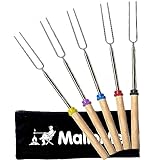
For the perfect toast, consider using a good set of marshmallow roasting sticks. They provide the ideal length and stability to keep your marshmallow secure over the fire.
Common mistakes (and what happens if you ignore them)
| Mistake | What it causes | Fix |
|---|---|---|
| Using a flimsy stick | Marshmallow falls into the fire, creating a sticky mess and disappointment. | Find a sturdy stick, at least 2 feet long. Test its strength before skewering. |
| Toasting over roaring flames | Instant charring. Your marshmallow turns black and bitter on the outside, still raw on the inside. | Cook over glowing embers or the edge of the flames. Rotate slowly for even toasting. |
| Not preparing ingredients beforehand | Fumbling around with wrappers and chocolate while your marshmallow burns or your fire dies. | Set up your s’mores station before you start toasting. Break chocolate, open crackers. |
| Using cheap, waxy chocolate | Chocolate doesn’t melt well, stays hard and clumpy, or tastes bland. | Opt for good quality chocolate, like Hershey’s bars (classic for a reason!) or even some dark chocolate squares for a richer flavor. |
| Not breaking chocolate into pieces | A giant, unmelted chunk of chocolate in the middle of your s’more. | Break your chocolate bar into smaller squares that fit nicely on the graham cracker. |
| Over-pressing the s’more | All the gooey marshmallow and melted chocolate squishes out the sides, creating a sticky mess and less s’more in your hand. | Gently press the top cracker down just enough to make the marshmallow and chocolate meet. |
| Not having water and a shovel nearby | A small fire can quickly become a wildfire if conditions are dry and windy. | Always have a bucket of water and a shovel ready when you have a campfire. Even for s’mores. |
| Leaving trash behind | Litter ruins the natural beauty and can harm wildlife. Sticky marshmallow residue attracts critters. | Pack out <em>everything</em> you pack in. Use a trash bag and make sure all wrappers and bits are accounted for. |
| Not checking fire restrictions | Getting fined or worse, starting an illegal and dangerous fire. | Always check the local land manager’s website for current fire bans and regulations before you go. |
| Assuming cell service will work | You can’t call for help if something goes wrong. | Let someone know your plans, expected return time, and location. Don’t rely on your phone for emergencies in remote areas. |
| Not securing the marshmallow on the stick | Marshmallow plops into the fire, a total loss. | Push the marshmallow on firmly, about halfway up its length. |
| Eating a cold s’more | The magic is lost. The marshmallow is hard, the chocolate is stiff. | Eat it immediately after assembly. The warmth is part of the experience. |
To avoid the common mistake of a flimsy stick, invest in durable marshmallow roasting sticks. They’ll ensure your marshmallow stays put and toasts perfectly every time.
Decision rules (simple if/then)
- If fire restrictions are in place, then do not build a campfire because it’s illegal and dangerous.
- If it’s windy, then consider skipping the campfire for s’mores because wind can spread embers quickly.
- If you’re in a high-use campground, then use designated fire rings only because that’s what they’re there for.
- If you see any sign of fire danger (dry brush, high winds), then have extra water and a shovel ready because safety first.
- If your marshmallow catches fire, then blow it out gently and let it cool slightly before eating because burnt marshmallow is bitter.
- If you can’t get a marshmallow to golden brown, then settle for a slightly-less-perfect one because it’s still a s’more and still pretty good.
- If you have kids with you, then supervise them closely around the fire because safety is paramount.
- If you’re out of graham crackers, then a chocolate chip cookie can work in a pinch because improvisation is part of camping.
- If you’re on BLM land, then check their website for dispersed camping rules because regulations can vary widely.
- If you want a smoky flavor, then use a campfire; if you want consistent heat, then use charcoal because they offer different experiences.
- If you’re packing out, then make sure to get all the sticky bits of marshmallow off your hands and equipment before packing up because critters love sugar.
- If you forgot chocolate, then peanut butter can be a decent substitute because it melts okay and tastes good with marshmallow.
FAQ
Q: What’s the best way to toast a marshmallow for a s’more?
A: The sweet spot is over glowing embers, rotating slowly until it’s golden brown and gooey. Avoid direct flames to prevent burning.
Q: Can I make s’mores without a campfire?
A: Absolutely! A charcoal grill works great. You can even lightly toast marshmallows over a gas stove burner on low heat, but be extra careful.
Q: What kind of chocolate is best?
A: Classic milk chocolate bars like Hershey’s are traditional and melt well. For a more grown-up flavor, try dark chocolate or even chocolate with sea salt.
Q: How do I prevent my marshmallow from falling off the stick?
A: Use a sturdy stick and push the marshmallow on about halfway up its length. A gentle, consistent rotation is better than jerky movements.
To prevent your marshmallow from falling off, we recommend using sturdy marshmallow roasting sticks. Their design helps keep your treat secure for a flawless toast.
Q: My marshmallow keeps catching fire and burning. What am I doing wrong?
A: You’re likely holding it too close to the flame. Pull it back and rotate it over the hotter, glowing embers instead. Patience is your friend here.
Q: What if I don’t have graham crackers?
A: Get creative! Chocolate chip cookies, digestive biscuits, or even waffles can be used as a base in a pinch.
Q: How do I make sure my s’mores are truly “Leave No Trace”?
A: Pack out all wrappers, crumbs, and any sticky residue. Keep your campsite clean and dispose of trash properly.
Q: Can I toast marshmallows over a propane stove?
A: Yes, but be extremely cautious. Use the lowest setting, keep it a safe distance away, and rotate constantly. It’s easy to scorch them quickly.
Q: What’s the deal with different kinds of marshmallows?
A: Jumbo marshmallows are great for toasting as they have more surface area and a gooier center. Standard ones work too, they just toast faster.
Q: My chocolate isn’t melting properly. What gives?
A: Make sure your marshmallow is hot enough when you place it on the chocolate. The residual heat is what melts it. Also, ensure your chocolate is at a reasonable temperature, not straight from a super cold cooler.
What this page does NOT cover (and where to go next)
- Detailed campfire building techniques (beyond what’s needed for s’mores).
- Specific campsite reservation systems or permit requirements.
- Advanced fire safety protocols for large wildfires.
- Gourmet s’more recipes with exotic ingredients.
- Identification and safe handling of local wildlife.

Camping Bob has spent over 20 years camping across the US — from BLM dispersed sites in the Southwest to KOA campgrounds in the Pacific Northwest. He writes practical, no-nonsense guides to help fellow campers get outdoors with confidence.