
Understanding Bear Spray Range and Effectiveness
Quick answer
- Bear spray is your best defense against aggressive bears.
- Most sprays shoot 25-30 feet, but aim for closer.
- Wind is your enemy; spray downwind or use a barrier.
- Practice makes perfect, but use inert spray for drills.
- Know your spray’s expiration date.
- Carry it accessible, not buried in your pack.
To ensure you’re prepared, practice deploying your bear spray with an inert practice bear spray. This allows you to get familiar with the mechanism without wasting your actual deterrent.

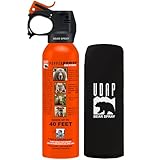
For your safety in bear country, always carry a reliable bear spray. This essential tool can be your best defense against aggressive bears.
What to check first (do this before you drive out)
Before you even think about hitting the trail, get your ducks in a row. This isn’t just about packing the right snacks; it’s about staying safe and legal.
- Land manager / legality: Who’s in charge here? Is it the Forest Service, BLM, National Park Service, or a state park? They set the rules. Always check their website or give them a call. Some areas might have specific regulations about bear spray or other safety gear.
- Access/road conditions: Can your rig actually get there? Is the road paved, gravel, or just a suggestion? If it’s rough, you might need 4WD or high clearance. Don’t be the guy stuck in a ditch miles from anywhere. Check recent reports if possible.
- Fire restrictions + weather + wind: This is huge. Fire bans mean no campfires, obviously. But also, check the weather forecast. Extreme heat or cold can impact your gear and your mood. And for bear spray? Wind direction is critical. Spraying into the wind is a recipe for disaster.
- Water plan + waste plan (Leave No Trace): Think about where you’ll get water and how you’ll treat it. And where will your trash go? Pack it in, pack it out. Nobody wants to see your granola bar wrappers decorating a pristine campsite. Leave it better than you found it.
- Safety (wildlife, distance to help, comms): Besides bears, what other critters are around? Know the local wildlife and how to act. How far is the nearest ranger station or town? Do you have cell service? Consider a satellite communicator for remote areas. Better safe than sorry.
Step-by-step (field workflow)
This is how you handle bear spray when the moment of truth might be near. It’s not rocket science, but it requires focus.
1. Locate your bear spray:
- What to do: Have it in your hand or clipped to your hip/chest strap. Not in your pack’s side pocket.
- What “good” looks like: You can grab it instantly without fumbling.
- Common mistake: Burying it deep in your pack. You won’t get to it in time.
When you’re in bear country, having your bear spray readily accessible is crucial. Consider a quick-draw holster or clipping it to your hip for immediate access.
2. Assess the situation:
- What to do: Is the bear aware of you? Is it acting defensively or curiously? Is it approaching?
- What “good” looks like: You’re calm, observing, and making a quick judgment.
- Common mistake: Panicking and spraying wildly at the first sign of a bear.
3. Check wind direction:
- What to do: Feel the wind on your face or observe how leaves/grass are moving.
- What “good” looks like: You know which way the wind is blowing relative to you and the bear.
- Common mistake: Ignoring the wind and spraying yourself.
4. Position yourself (if possible):
- What to do: Try to get downwind of the bear if it’s approaching.
- What “good” looks like: You’re not running directly towards the bear’s path.
- Common mistake: Standing your ground directly in the bear’s line of travel.
5. Remove the safety clip:
- What to do: Thumb the safety clip off. It’s usually a little plastic tab.
- What “good” looks like: The spray nozzle is ready to go.
- Common mistake: Forgetting to remove the safety clip when you need it.
6. Aim low:
- What to do: Aim at the bear’s face, specifically the eyes and nose.
- What “good” looks like: You’re targeting the most sensitive areas.
- Common mistake: Aiming too high or too wide, missing the bear’s face.
7. Deploy in short bursts:
- What to do: Spray for 1-2 seconds at a time.
- What “good” looks like: You’re conserving spray and making it effective.
- Common mistake: Holding the trigger down continuously, wasting spray.
8. Create a cloud:
- What to do: Aim to create a barrier of spray between you and the bear.
- What “good” looks like: The bear runs into the spray cloud.
- Common mistake: Spraying a direct stream that might miss or be ineffective.
9. Back away slowly:
- What to do: Once the bear retreats, slowly move away from the area.
- What “good” looks like: You’re putting distance between yourself and the bear.
- Common mistake: Turning and running, which can trigger a chase response.
10. Reassess and report:
- What to do: Once safe, check your surroundings and report the encounter to the land manager.
- What “good” looks like: You’re safe, and authorities are aware of bear activity.
- Common mistake: Just hiking away and not reporting the incident.
Common mistakes (and what happens if you ignore them)
| Mistake | What it causes | Fix |
|---|---|---|
| <strong>Not checking expiration date</strong> | Spray might be ineffective or clog when you need it most. | Check the can’s date before every trip. Replace expired cans. |
| <strong>Carrying spray in your pack</strong> | Inability to access it quickly in a surprise encounter. | Keep it accessible on your hip, chest strap, or in a quick-draw holster. |
| <strong>Ignoring wind direction</strong> | Spray blows back on you, incapacitating yourself. | Always check wind. Spray downwind or use a barrier if possible. |
| <strong>Not practicing (with inert spray)</strong> | Fumbling with the safety clip, poor aim, or short spray bursts under pressure. | Use an inert practice can to get familiar with the mechanism and aiming. |
| <strong>Aiming too high or too wide</strong> | Missing the bear’s face, making the spray less effective. | Aim for the eyes and nose area. Practice aiming low. |
| <strong>Spraying too short a burst</strong> | Not creating a sufficient cloud to deter the bear. | Deploy in 1-2 second bursts, aiming to create a fog. |
| <strong>Turning and running</strong> | Can trigger a predatory chase response from the bear. | Back away slowly. If the bear charges, stand your ground and spray. |
| <strong>Not reporting a bear encounter</strong> | Prevents land managers from tracking bear behavior and warning others. | Always report any bear encounters to the local land management agency. |
| <strong>Using bear spray for non-bear threats</strong> | Ineffective against other animals; can cause unnecessary harm or escalate situations. | Bear spray is specifically designed for bears. Use other appropriate deterrents or methods. |
| <strong>Not knowing your spray’s range</strong> | Waiting too long to deploy or spraying when the bear is too far away. | Know your spray’s effective range (typically 25-30 feet) and aim to use it within that distance. |
Don’t wait for an encounter to learn how to use your bear spray. Practicing with an inert practice bear spray can help you build muscle memory and confidence.
Decision rules (simple if/then)
- If you see a bear at a distance and it hasn’t seen you, then slowly back away and make noise to announce your presence, because you want to avoid surprising it.
- If the bear is curious and approaching, then get your bear spray ready and make noise, because you need to be prepared to defend yourself.
- If the bear charges, then stand your ground and deploy your bear spray, because this is when it’s most effective.
- If you are downwind of an approaching bear, then try to move to a position upwind if possible, because spraying into the wind will incapacitate you.
- If the bear is bluff charging (swiping, huffing, but not fully committed), then continue to stand your ground and be ready to spray, because many charges are feints.
- If the bear makes contact, then play dead if it’s a defensive attack (e.g., you surprised it), but fight back if it’s a predatory attack (e.g., it’s stalking you), because your response depends on the bear’s intent.
- If your bear spray has expired, then replace it immediately, because an expired can is unreliable.
- If you are in bear country, then carry bear spray accessible at all times, because you never know when you’ll need it.
- If you are hiking with others, then stay together and make noise, because larger groups are less likely to be attacked.
- If you are camping, then store food and scented items properly in bear-resistant containers or hung high, because attracting bears to your campsite is a major safety risk.
- If you encounter a cub, then immediately back away and look for the mother, because the mother bear is fiercely protective.
FAQ
How far does bear spray actually shoot?
Most bear spray canisters are designed to shoot a stream or cloud up to 25 to 30 feet. However, effective range is usually closer, around 15 to 20 feet, especially considering wind.
Can I use bear spray on other animals?
While it might deter some animals, bear spray is specifically formulated and tested for bears. Using it on other wildlife might be ineffective or even provoke them. Stick to its intended purpose.
What if the wind is blowing towards me?
This is a tricky situation. Ideally, you’d try to reposition yourself downwind of the bear. If that’s not possible, you might have to wait for a lull or accept the risk of some spray blowing back.
Is it legal to carry bear spray everywhere?
In most bear country in the US, carrying bear spray for self-defense is legal. However, some specific parks or jurisdictions might have restrictions. Always check local regulations.
How many times can I use a can of bear spray?
A typical can can deliver several short bursts, usually lasting about 6 seconds of total spray time. It’s designed for multiple short deployments rather than one long blast.
What’s the difference between bear spray and pepper spray?
Bear spray contains a higher concentration of capsaicinoids (the active ingredient) and is formulated to be deployed in a larger cloud at a greater distance, making it effective against large animals like bears. Regular pepper spray is for human self-defense.
Do I need a permit to carry bear spray?
Generally, no permit is required to carry bear spray for personal protection in bear country. It’s considered safety equipment, not a weapon in the same sense as a firearm.
What should I do after using bear spray?
After the bear retreats, slowly back away. If possible, leave the area. Report the incident to the park rangers or land managers so they can track bear activity.
What this page does NOT cover (and where to go next)
- Specific bear species behavior (grizzly vs. black bear).
- Detailed first aid for spray exposure or bear encounters.
- Firearm regulations and use in bear country.
- Advanced wilderness survival techniques.

Camping Bob has spent over 20 years camping across the US — from BLM dispersed sites in the Southwest to KOA campgrounds in the Pacific Northwest. He writes practical, no-nonsense guides to help fellow campers get outdoors with confidence.