
Finding Free Campsites: Your Guide To Budget Camping
Quick answer
- Look for dispersed camping on Bureau of Land Management (BLM) and U.S. Forest Service (USFS) lands.
- Always check the specific land manager’s website for regulations and closures before you go.
- Pack out everything you pack in, including all trash and human waste.
- Know your vehicle’s capabilities for accessing remote spots.
- Have a reliable way to communicate, as cell service is often spotty.
- Understand local fire restrictions – they can change fast.
- Be prepared to be self-sufficient for water and power.
What to check first (do this before you drive out)
Before you even think about packing the car, you need to do some homework. This isn’t like pulling into a KOA.
- Land manager / legality: Who actually owns or manages the land you want to camp on? Is it USFS, BLM, state land, or something else? Different agencies have different rules. Some areas are off-limits to camping, even if they look like wide-open spaces. This is your first and most important check. You don’t want to set up camp only to get a friendly (or not-so-friendly) visit from a ranger telling you to move.
- Access/road conditions: How do you get there? Is it a paved road, a gravel track, or just a suggestion of a trail? Know if your rig can handle it. A Subaru Outback is a lot different from a lifted Jeep. Mud, snow, or washouts can make a road impassable. Always check recent reports if you can, or be prepared to turn around. I learned that lesson the hard way once after my sedan met a particularly gnarly rut.
- Fire restrictions + weather + wind: Fire is a huge deal out there. Check the current fire restrictions for the exact area you’re headed to. This can change daily. Also, look at the weather forecast. High winds are a no-go for campfires, and extreme weather can make a free spot feel like a trap.
- Water plan + waste plan (Leave No Trace): Free camping often means no amenities. No water spigots, no toilets. You need to bring all your water or have a reliable purification method. And for waste, you must practice Leave No Trace. Pack out all trash. For human waste, know how to properly dispose of it – digging catholes far from water sources or using a portable toilet system if required.
- Safety (wildlife, distance to help, comms): What kind of critters are in the area? Bears, mountain lions, snakes? Know how to store your food properly and what to do if you encounter wildlife. How far are you from the nearest town or ranger station? If something goes wrong, you might be a long way from help. And cell service? Forget about it. Bring a satellite messenger or let someone know your exact itinerary and when you expect to be back.
Step-by-step (field workflow)
Here’s how to actually do it once you’re out there.
1. Identify potential areas:
- What to do: Use maps (like on Gaia GPS, OnX Offroad, or even CalTopo) to find large tracts of public land managed by the USFS or BLM. Look for areas marked as “dispersed camping” or where there are no designated campsites shown.
- What “good” looks like: You’ve got a general region identified with plenty of public land.
- Common mistake: Relying solely on Google Maps. It often doesn’t show land ownership or access restrictions. Avoid this by using dedicated mapping apps for outdoor recreation.
2. Verify regulations for the specific unit:
- What to do: Go to the official website for the specific National Forest or BLM District. Look for their “Camping” or “Recreation” sections. Read up on dispersed camping rules.
- What “good” looks like: You’ve confirmed that dispersed camping is allowed in your chosen area and understand any specific rules (like distance from water or roads).
- Common mistake: Assuming all public land is the same. Rules vary wildly. Avoid this by always checking the specific land manager’s site.
3. Check current conditions:
- What to do: Look for current alerts, closures, or advisories on the land manager’s site. Check the weather forecast for the exact location, not just the nearest town.
- What “good” looks like: You know about any road closures, fire bans, or severe weather warnings.
- Common mistake: Ignoring “alerts” or “closures” sections of websites. This is where you find out if that road is washed out or if there’s a mandatory fire ban.
4. Plan your route to the general area:
- What to do: Use your mapping app to plot a route to the vicinity of where you want to camp. Pay attention to road types and potential obstacles.
- What “good” looks like: You have a clear path to get within a reasonable distance of potential camping spots.
- Common mistake: Not downloading offline maps. Cell service disappears fast. Avoid this by always having offline maps loaded for your entire route and planned camping areas.
5. Drive to the area and assess roads:
- What to do: Drive slowly and carefully. Look at the actual road conditions. Does it match what you expected?
- What “good” looks like: The roads are manageable for your vehicle, or you’ve identified a turn-off that looks promising.
- Common mistake: Rushing. You might miss a critical turn or a sign that indicates a closed area. Avoid this by taking your time and observing your surroundings.
6. Locate a suitable dispersed campsite:
- What to do: Look for established, previously used spots (old fire rings, flattened ground). Aim to be at least 100-200 feet from water sources and established trails, as per Leave No Trace principles.
- What “good” looks like: You’ve found a flat, clear spot that shows signs of previous use, minimizing your impact.
- Common mistake: Camping in a pristine, untouched area. This degrades the environment. Avoid this by looking for existing sites first.
7. Set up camp responsibly:
- What to do: Clear away only necessary debris for your tent and kitchen area. Do not dig trenches around your tent.
- What “good” looks like: Your camp is set up with minimal disturbance to the surrounding vegetation.
- Common mistake: Over-clearing the area or digging drainage trenches. This harms the soil and vegetation. Avoid this by disturbing the ground as little as possible.
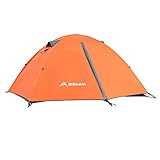
When setting up camp, a lightweight backpacking tent can make the process much easier, especially if you need to hike a short distance from your vehicle.
8. Manage your waste and water:
- What to do: Store food securely to deter wildlife. Use a portable toilet or dig catholes correctly (6-8 inches deep, 200 feet from water, trails, and camp). Pack out all trash.
- What “good” looks like: Your campsite is clean, and you’ve properly managed all human and food waste.
- Common mistake: Leaving trash or improperly disposing of human waste. This pollutes the environment and can attract animals. Avoid this by being diligent with packing out everything and following LNT guidelines.
9. Enjoy your stay and be aware of surroundings:
- What to do: Keep your camp clean, be mindful of noise, and observe local wildlife from a distance.
- What “good” looks like: You’re having a peaceful, low-impact experience.
- Common mistake: Becoming complacent about wildlife. Always be aware of your surroundings, especially when cooking or preparing food. Avoid this by staying vigilant.
10. Pack out everything and restore the site:
- What to do: Before leaving, do a thorough sweep of your campsite. Ensure no trash, food scraps, or gear is left behind. Scatter any unburned campfire coals.
- What “good” looks like: The campsite looks as if you were never there.
- Common mistake: Leaving even small items like bottle caps or wrappers. They degrade slowly and are unsightly. Avoid this by doing a final, meticulous check of the entire area.
Common mistakes (and what happens if you ignore them)
| Mistake | What it causes | Fix |
|---|---|---|
| Not checking land manager rules | Fines, eviction, damage to sensitive areas, alienating land managers | Always verify regulations with the specific USFS or BLM district before you go. |
| Assuming roads are passable | Getting stuck, vehicle damage, needing a tow (expensive!) | Check road conditions, know your vehicle’s limits, and have a turnaround plan. |
| Ignoring fire restrictions | Wildfires, hefty fines, potential jail time, environmental devastation | Check <em>current</em> fire restrictions daily if possible. Have a backup plan for cooking (stove). |
| Not bringing enough water or purification | Dehydration, making a long, unpleasant trip to find water, illness | Bring more water than you think you need, or have a reliable filtration/purification system. |
| Improper waste disposal | Attracting wildlife to your camp, polluting water sources, spreading disease | Pack out all trash. Dig catholes correctly or use a portable toilet. |
| Camping too close to water | Water source contamination, habitat disruption, erosion | Camp at least 100-200 feet (30-60 meters) away from lakes, rivers, and streams. |
| Leaving food scraps or trash | Attracting bears and other wildlife to camp, habituating animals | Store food securely in bear-resistant containers or your vehicle. Pack out <em>all</em> food scraps and trash. |
| Building a fire outside designated areas | Damaging vegetation, starting unintended fires, violating rules | Only use existing fire rings if allowed. If not, use a camp stove. |
| Not having a communication plan | Inability to call for help in an emergency, delayed rescue, isolation | Carry a satellite messenger or PLB, and always leave a detailed itinerary with someone reliable. |
| Disturbing wildlife | Stressing animals, dangerous encounters, habituating animals to humans | Observe wildlife from a safe distance. Never feed animals. |
| Leaving the site looking trashed | Degrading the dispersed camping experience for others, closing areas to public | Pack out <em>everything</em>. Make the site look as if you were never there. |
To prevent attracting wildlife, always store your food securely in a bear resistant food canister or your vehicle.

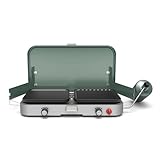
To avoid fire risks and hassle, consider bringing a portable camping stove for cooking instead of relying on campfires.
Decision rules (simple if/then)
- If the land manager website shows “No Dispersed Camping Allowed,” then do not camp there because it’s illegal and disrespectful.
- If the road conditions are beyond your vehicle’s capability, then find a different spot or turn back because getting stuck is a major hassle.
- If there is a red flag warning or high wind advisory, then do not have any open flames (including campfires) because it’s a significant fire risk.
- If you can’t find a previously used campsite, then choose a spot that minimizes impact, staying far from water and trails, because you don’t want to create a new impact.
- If you are within 100 feet of a water source, then move your camp because you are too close and potentially contaminating it.
- If you are unsure about wildlife in the area, then treat it as if bears are present and store all food and scented items securely because it’s better to be over-prepared.
- If you don’t have a way to communicate with the outside world (cell service or satellite device), then reconsider going to a remote area because you need a safety net.
- If you encounter a ranger, then be polite and honest about your plans because they are there to help manage the land.
- If you have any doubt about legality or safety, then err on the side of caution and find a different spot or a designated campground because it’s not worth the risk.
- If you see trash left by others, then pack it out because it’s everyone’s responsibility to keep public lands clean.
- If you plan to have a campfire, then check the current fire restrictions for that specific area that day because rules change rapidly.
- If you don’t have a plan for human waste, then bring a portable toilet or know how to dig a proper cathole, because leaving it behind is a serious LNT violation.
FAQ
Q: How do I know if an area allows dispersed camping?
A: The best way is to check the official website of the U.S. Forest Service (USFS) or Bureau of Land Management (BLM) for the specific national forest or district you plan to visit. Look for sections on “camping,” “recreation,” or “dispersed camping.”
Q: What’s the difference between dispersed camping and primitive camping?
A: Dispersed camping is generally camping outside of designated campgrounds on public lands, often with no amenities. Primitive camping can sometimes refer to similar situations but might also imply a more rugged, undeveloped experience, though the terms are often used interchangeably in the context of free camping.
Q: How far away from water do I need to camp?
A: Generally, aim for at least 100-200 feet (30-60 meters) away from lakes, rivers, and streams. This helps protect water quality and riparian habitats.
Q: What if I can’t find a spot that looks “established”?
A: If you must camp in a new area, choose a durable surface like bare ground or gravel. Minimize your impact by clearing only the absolute necessary space for your tent and cooking area, and avoid trampling vegetation.
Q: Do I need a permit for dispersed camping?
A: In many USFS and BLM areas, no permit is required for dispersed camping, but this can vary. Some areas, especially popular ones or those with specific conservation needs, might require a free permit or have limitations on stay duration. Always check local regulations.
Q: What are the biggest risks of free camping?
A: The primary risks are getting lost, vehicle issues in remote areas, unexpected weather, wildlife encounters, and lack of immediate access to help or facilities. Proper planning and preparedness are key.
Q: Can I have a campfire when dispersed camping?
A: Only if it’s allowed by current fire restrictions. Even then, use existing fire rings if available and ensure your fire is completely out before leaving or sleeping. Many dispersed campers opt for camp stoves to avoid fire risk and hassle.
Q: How do I handle human waste when there are no toilets?
A: The Leave No Trace principle is crucial. Either use a portable toilet system that you pack out, or dig a cathole 6-8 inches deep and at least 200 feet from water, trails, and camp. Pack out toilet paper.
What this page does NOT cover (and where to go next)
- Specific campsite locations (these change and are best found through dedicated mapping tools and local knowledge).
- Detailed vehicle preparation for extreme off-roading (look for guides on 4x4ing and overland travel).
- In-depth wildlife identification and behavior (consult local wildlife agencies or field guides).
- Advanced navigation techniques (seek out courses on map and compass or GPS usage).
- Legal nuances of public land use (contact the specific land management agency for official clarification).

Camping Bob has spent over 20 years camping across the US — from BLM dispersed sites in the Southwest to KOA campgrounds in the Pacific Northwest. He writes practical, no-nonsense guides to help fellow campers get outdoors with confidence.