
Simple Fixes for Uneven or Stuck Zippers
Quick answer
- Identify the snag point.
- Use pliers to gently realign bent teeth.
- Lubricate with graphite or wax.
- Zip up and down slowly to work it free.
- Check the slider for damage.
- If the slider is damaged, consider replacing it.
What to check first (do this before you drive out)
Before you head out on your next adventure, take a quick look at your gear. A stuck zipper can ruin a trip faster than a surprise rain shower. Here’s a quick rundown:
- Land manager / legality: Know who manages the land you’re visiting. Is it National Forest, BLM, a State Park? Each has its own rules. Always check the official website for the specific area.
- Access/road conditions: Is that dirt road a cakewalk or a mud pit? Check recent reports. Don’t drive that sedan down a rocky, rutted trail. Know your vehicle’s limits.
- Fire restrictions + weather + wind: This is crucial. Fire bans are no joke. Check the forecast religiously. High winds can make camp life miserable and dangerous.
- Water plan + waste plan (Leave No Trace): Have enough water, or know how you’ll filter/treat it. Pack it in, pack it out. That includes all trash. Leave it better than you found it.
- Safety (wildlife, distance to help, comms): Be aware of local wildlife. Know how far you are from help. Cell service is often spotty, so have a backup plan for communication.
Step-by-step (field workflow)
Okay, so your tent zipper or jacket zipper is being a pain. Don’t sweat it. We’ve all been there. Here’s how to wrestle it back into submission.
1. Inspect the zipper.
- What to do: Look closely at the entire length of the zipper, paying attention to the teeth and the slider.
- What “good” looks like: You can see all the teeth, and they look straight and aligned. The slider moves freely, even if it’s stuck.
- Common mistake: Not looking closely enough. You might miss a tiny bent tooth or a bit of fabric caught deep inside.
- How to avoid it: Get good light and zoom in. Use a magnifying glass if needed.
2. Find the snag.
- What to do: Gently try to move the slider. The point where it stops or bunches up is your snag.
- What “good” looks like: You can pinpoint the exact tooth or area causing the problem.
- Common mistake: Yanking hard. This can damage the teeth or the slider.
- How to avoid it: Patience is key. Gentle wiggling is better than brute force.
3. Clear any fabric or debris.
- What to do: If fabric is caught, carefully pull it away from the slider and teeth. Tweezers can be helpful here.
- What “good” looks like: The fabric is completely free, and no threads are snagging.
- Common mistake: Tearing the fabric. You don’t want to create a new hole.
- How to avoid it: Work slowly and deliberately. Use a small tool to gently separate the threads.
If fabric is caught, carefully pull it away from the slider and teeth. A good pair of precision tweezers can be incredibly helpful here.

4. Straighten bent teeth.
- What to do: If you find a bent tooth, use a pair of needle-nose pliers to gently bend it back into alignment.
- What “good” looks like: The tooth is straight and matches the others.
- Common mistake: Bending the tooth too far or breaking it off.
- How to avoid it: Apply minimal pressure. It’s better to do a few small adjustments than one big, damaging one.
5. Lubricate the zipper.
- What to do: Apply a lubricant to the teeth. Graphite (from a pencil tip) or a dry wax (like a candle or chapstick) works well.
- What “good” looks like: The lubricant is applied to the teeth on both sides of the slider.
- Common mistake: Using oily lubricants like WD-40. These can attract dirt and gum up the works later.
- How to avoid it: Stick to dry lubricants. Rub the pencil tip directly on the teeth.
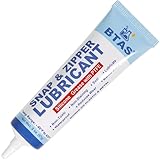
Apply a dry zipper lubricant to the teeth. Graphite (from a pencil tip) or a dry wax works well, and a dedicated dry zipper lubricant can make this task even easier.
6. Work the slider slowly.
- What to do: After lubricating, gently try to move the slider up and down. Start with small movements.
- What “good” looks like: The slider moves a little further each time, gradually freeing the snag.
- Common mistake: Forcing it. If it’s still stuck, stop and re-evaluate.
- How to avoid it: Listen to the zipper. If you hear grinding or catching, stop.
7. Check the slider.
- What to do: Examine the slider itself. Look for any damage, cracks, or if it’s spread open.
- What “good” looks like: The slider is intact and holds the teeth together firmly.
- Common mistake: Ignoring a damaged slider. A worn-out slider won’t grip the teeth properly.
- How to avoid it: Give it a good once-over. If it looks warped or loose, it might be the culprit.
8. Consider slider replacement.
- What to do: If the slider is damaged and won’t grip, you can try replacing it. This usually involves removing the stopper at the end of the zipper.
- What “good” looks like: A new slider is installed and zips smoothly.
- Common mistake: Not having the right size or type of replacement slider.
- How to avoid it: Take the old slider to an outdoor gear shop or fabric store to find an exact match.
Common mistakes (and what happens if you ignore them)
| Mistake | What it causes | Fix |
|---|---|---|
| Yanking the zipper hard | Bent or broken teeth, damaged slider, ripped fabric, permanent jam. | Stop immediately. Gently try to realign teeth or free fabric. If damaged, replacement might be needed. |
| Using oily lubricants | Attracts dirt and grit, leading to future jamming and wear. | Use dry lubricants like graphite (pencil lead) or wax. |
| Ignoring fabric caught in the slider | Tears in the fabric, a permanently stuck zipper, or a damaged slider. | Carefully remove fabric with tweezers or a small tool. Don’t rip it. |
| Bending teeth too aggressively | Broken teeth, which can render the zipper unusable or require professional repair. | Use needle-nose pliers with gentle pressure. Aim for small adjustments. |
| Not checking road conditions | Getting stuck in mud, damaging tires or vehicle, needing a tow. | Always check local reports and know your vehicle’s capabilities. |
| Forgetting fire restrictions | Fines, wildfires, and serious legal trouble. | Check official park/forest websites before you leave and upon arrival. Obey all posted signs. |
| Overpacking the backpack | Strained zippers, difficulty closing, potential gear damage. | Pack smart. Distribute weight evenly and avoid forcing zippers shut. |
| Assuming cell service exists | Inability to call for help in an emergency. | Download offline maps, inform someone of your itinerary, and consider a satellite messenger for remote areas. |
| Not packing enough water | Dehydration, heatstroke, and a miserable experience. | Always carry more water than you think you’ll need, or have a reliable filtration/purification method. |
| Forcing a stuck slider | Further damage to teeth, slider, and the surrounding material. | Stop and inspect. Lubricate and gently work it free. If it won’t budge, seek professional repair or replacement. |
| Using the wrong tool for the job | Damaging the zipper or making the problem worse. | Use appropriate tools like needle-nose pliers for teeth and tweezers for fabric. |
| Not checking the slider’s condition | Zipper not engaging properly, teeth slipping, or failing to close. | Inspect the slider for wear or damage. A worn slider might need replacement. |
Decision rules (simple if/then)
- If the zipper teeth are visibly misaligned, then gently try to straighten them with pliers because bent teeth are a common cause of jamming.
- If fabric is caught in the slider, then carefully pull it free with tweezers because forcing it can rip the fabric or damage the zipper.
- If the zipper is stiff but not snagged, then apply a dry lubricant like graphite or wax because friction is the likely culprit.
- If the slider feels loose or doesn’t grip the teeth, then inspect the slider for damage or wear because a worn slider is often the problem.
- If the zipper still won’t budge after lubrication and gentle persuasion, then stop and re-examine the entire zipper path because there might be a hidden snag or damage.
- If the zipper has broken teeth, then consider professional repair or replacement because broken teeth are difficult to fix reliably in the field.
- If you’re in a remote area with no repair options, then try to manage with the partially working zipper because a full repair might not be possible.
- If the zipper is on critical gear like a tent or sleeping bag, then prioritize fixing it because failure can have significant consequences.
- If the zipper is on a non-critical item and is badly damaged, then consider replacing the item because sometimes repair isn’t cost-effective.
- If the weather is extreme (e.g., heavy rain, snow), then ensure your shelter’s zipper is functional before you need it because a faulty zipper in bad weather is a serious problem.
- If you’re unsure about repairing it yourself, then seek out a gear repair specialist because they have the tools and expertise.
- If the zipper is on a piece of clothing and minor, then a bit of wiggling might be sufficient because sometimes they just need a little encouragement.
If the zipper is stiff but not snagged, then apply a dry lubricant like graphite or wax because friction is the likely culprit. Consider keeping a dry zipper lubricant in your kit for quick fixes.
FAQ
My zipper is just stuck. What’s the first thing I should do?
First, don’t panic or yank it. Inspect the zipper closely for any fabric, threads, or debris caught in the slider or teeth. Gently try to work it free.
What kind of lubricant should I use on a zipper?
Stick to dry lubricants like graphite from a pencil tip or a wax-based product like chapstick or a candle. Avoid oily lubricants like WD-40, as they attract dirt and can damage materials over time.
Stick to dry lubricants like graphite from a pencil tip or a wax-based product like chapstick or a candle. A specialized dry zipper lubricant is also an excellent choice.
Can I fix a zipper with missing teeth?
Generally, no. Missing teeth are a structural problem that usually requires replacing the entire zipper. Small gaps might be temporarily manageable, but it’s not a reliable fix.
My zipper slider has come off one side. How do I fix it?
This often means the slider is spread open. You might be able to gently crimp it closed with pliers. If not, you’ll likely need to replace the slider.
How do I know if I need to replace the whole zipper or just the slider?
If the teeth are intact and straight, but the slider isn’t engaging them properly or is damaged, replacing the slider is usually the solution. If the teeth are broken or worn, the whole zipper needs replacement.
Is it worth trying to fix a zipper on an old piece of gear?
It depends on the gear and the extent of the damage. For essential items like a tent or sleeping bag, it’s often worth it. For less critical items, the cost and effort might outweigh the benefit.
What’s the best way to prevent zippers from getting stuck in the first place?
Keep them clean and dry. Zip them up and down periodically. Avoid overstuffing bags or tents, which puts stress on zippers.
My jacket zipper is stiff. What can I do?
Try rubbing the teeth with a pencil lead (graphite) or a bit of wax. Then, slowly work the slider up and down to distribute the lubricant.
What this page does NOT cover (and where to go next)
- Detailed instructions on replacing an entire zipper assembly (you’ll need a sewing machine for that).
- Specific repair techniques for highly specialized zippers (e.g., waterproof zippers on drysuits).
- Advanced gear repair techniques that require specialized tools or professional knowledge.
- Where to buy specific replacement zipper parts (check outdoor gear shops or fabric stores).
- Information on zipper maintenance for specific brands or types of gear.

Camping Bob has spent over 20 years camping across the US — from BLM dispersed sites in the Southwest to KOA campgrounds in the Pacific Northwest. He writes practical, no-nonsense guides to help fellow campers get outdoors with confidence.