
Starting a Fire Safely With a Fire Starter
Quick answer
- Know your fire starter. Matches, lighters, ferro rods – they’re all different.
- Gather tinder, kindling, and fuel wood before you strike.
- Clear a 10-foot radius around your fire pit. No exceptions.
- Check current fire restrictions. Seriously.
- Keep water and a shovel handy. Always.
- Practice in your backyard first. Get a feel for it.
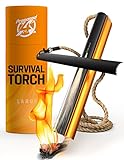
For a comprehensive solution, consider a camping fire starter kit, which often includes multiple ignition methods and tinder to get you started.
What to check first (do this before you drive out)
Before you even think about packing the car, a few key checks will save you a heap of trouble. It’s all about being prepared and respecting the land.
Land manager / legality
Who owns this patch of dirt? Is it National Forest, BLM land, a State Park, or private? Each has its own rules. A quick look at the managing agency’s website or a call to their local office can clear up any confusion about fire bans or specific site regulations. Don’t assume anything.
Access/road conditions
Is the road to your spot paved, gravel, or just a suggestion? Know your vehicle’s capabilities. A sedan ain’t gonna cut it on a rutted, muddy track. Check recent reports if you can – rain can turn a mild trail into a sticky mess real fast. And mind that clearance; rocks and low-hanging branches are no joke.
Fire restrictions + weather + wind
This is non-negotiable. Fire restrictions are posted for a reason – usually because it’s dry as a bone out there. Check the official agency websites for current bans. Then, look at the weather forecast. High winds and dry conditions are a recipe for disaster. If it’s looking dicey, postpone.
Water plan + waste plan (Leave No Trace)
This is core to LNT. Have a plan for extinguishing your fire completely. That means water and a shovel. And what about your trash? Pack it in, pack it out. Don’t burn trash; it pollutes and can attract critters.
Safety (wildlife, distance to help, comms)
Be aware of your surroundings. Know what wildlife is common in the area and how to store food properly. How far are you from the nearest ranger station or town? Do you have cell service? If not, tell someone where you’re going and when you expect to be back. A satellite messenger is a solid investment for remote trips.
Step-by-step (field workflow)
Alright, you’ve done your homework. Now it’s time to get that fire going. Remember, patience is key.
1. Select your site.
- What to do: Use an existing fire ring or pit if available. If not, find a spot on bare ground, away from overhanging branches, dry grass, and tents.
- What “good” looks like: A designated or well-chosen spot that minimizes impact.
- Common mistake: Setting up too close to flammable material. Avoid this by clearing a wide berth.
2. Clear the area.
- What to do: Scrape away all leaves, pine needles, grass, and debris in a 10-foot radius around the fire pit. Dig down to mineral soil if necessary.
- What “good” looks like: A bare, clean circle of earth, at least 10 feet across.
- Common mistake: Rushing this step and leaving tiny embers or dry leaves just outside the cleared zone.
3. Gather your fuel.
- What to do: Collect three types of wood:
- Tinder: Tiny, fluffy stuff that catches a spark. Think dry grass, birch bark shavings, cotton balls with petroleum jelly.
- Kindling: Pencil-lead to pencil-thick twigs. Dry and brittle.
- Fuelwood: Finger-thick to wrist-thick branches. Should snap cleanly.
- What “good” looks like: A substantial pile of each, sorted and ready. You can never have too much kindling.
- Common mistake: Not gathering enough tinder or kindling. You’ll be scrambling if the initial flame dies.
4. Prepare your fire starter.
- What to do: Get your chosen fire starter ready. If using a ferro rod, have your striker and tinder bundle prepped. If using matches, have a few ready. If it’s a lighter, make sure it has fuel.
- What “good” looks like: Everything within easy reach and ready for immediate use.
- Common mistake: Fumbling with gear when the wind picks up or the light fades.
A good camping fire starter kit will have all the essentials you need, ensuring you’re prepared for any situation.
5. Build your fire lay.
- What to do: Arrange your tinder loosely in the center of the fire pit. Lean kindling over it in a teepee or log cabin style, leaving space for air.
- What “good” looks like: A structure that allows air to circulate and the flame to grow easily.
- Common mistake: Packing the kindling too tightly, starving the flame of oxygen.
6. Ignite the tinder.
- What to do: Apply your fire starter to the tinder. Shield it from wind.
- What “good” looks like: A small, steady flame that begins to consume the tinder.
- Common mistake: Blowing out the initial spark or flame because you’re trying to force it too quickly. Gentle coaxing is better.
7. Feed the flame.
- What to do: As the tinder burns, the kindling should start to catch. Gently add more small pieces of kindling, then gradually larger pieces.
- What “good” looks like: The flame growing stronger and climbing the kindling structure.
- Common mistake: Adding larger fuel wood too soon, smothering the young flame.
8. Add fuelwood.
- What to do: Once the kindling is burning well, begin adding your larger fuelwood, one piece at a time.
- What “good” looks like: A sustainable fire that produces good heat and light.
- Common mistake: Piling on too much wood at once, turning a controlled fire into a roaring inferno that’s hard to manage.
9. Manage the fire.
- What to do: Keep an eye on your fire. Add wood as needed to maintain the desired size. Never leave it unattended.
- What “good” looks like: A controlled fire that serves its purpose without getting out of hand.
- Common mistake: Walking away from an active fire, even for a minute.
10. Extinguish the fire.
- What to do: Pour water on the embers and ashes. Stir with a shovel. Continue adding water and stirring until everything is cool to the touch.
- What “good” looks like: Cold ashes. No heat, no smoke, no glowing embers.
- Common mistake: Thinking it’s “out” when it’s just not actively flaming. Embers can stay hot for hours.
Common mistakes (and what happens if you ignore them)
| Mistake | What it causes | Fix |
|---|---|---|
| Not checking fire restrictions | Fines, park ejection, and potentially starting a wildfire. | Always check official agency websites or call local ranger stations <em>before</em> you go. |
| Using green or wet wood | Smokes excessively, won’t catch fire, hard to keep burning. | Gather only dry, dead wood that snaps cleanly. Store it off the ground if possible. |
| Building fire too close to flammable items | Fire spreads rapidly, potential for wildfire. | Clear a minimum 10-foot radius of all flammable material down to mineral soil. Use existing fire rings. |
| Not having water/shovel readily available | Inability to control or extinguish a fire quickly, leading to disaster. | Keep a bucket of water and a shovel right next to the fire pit at all times. |
| Leaving fire unattended | Embers can blow out, start spot fires; unexpected flare-ups. | Never leave a fire unattended, even for a few minutes. Designate someone to watch it if you need to step away. |
| Piling on too much wood at once | Smothers the flame, creates excessive smoke, hard to control. | Add fuel wood gradually, one piece at a time, as the fire grows. Let the fire establish itself. |
| Not clearing enough space around fire pit | Small embers can escape the pit and ignite surrounding dry vegetation. | Be zealous with clearing. A 10-foot diameter is the minimum; more is better if conditions are dry or windy. |
| Not fully extinguishing the fire | Embers can reignite hours later, causing a wildfire. | Douse with water, stir with a shovel, and repeat until <em>cold</em> to the touch. Feel the ashes with your hand. |
| Burning trash | Pollutes the air, can attract unwanted wildlife, leaves toxic residue. | Pack out all trash. Use designated trash receptacles if available, otherwise carry it home. |
| Using accelerants like gasoline | Unpredictable flare-ups, burns too hot too fast, dangerous. | Rely on proper tinder, kindling, and technique. Never use gasoline or other flammable liquids to start a campfire. |
| Not having enough tinder/kindling | Frustration, inability to get the fire going, wasted starter fluid/matches. | Gather more tinder and kindling than you think you’ll need. It’s better to have extra than to run out. |
Decision rules (simple if/then)
- If fire restrictions are in place, then do not have a campfire because it’s illegal and dangerous.
- If the wind is gusting over 15-20 mph, then reconsider having a campfire because embers can travel far.
- If you are on land managed by the National Park Service, then check their specific fire regulations before assuming fires are allowed.
- If you can’t clear a 10-foot radius down to mineral soil, then find a different campsite because safety is paramount.
- If you are using a portable stove for cooking, then a campfire is likely unnecessary and you should skip it to minimize impact.
- If you are unsure about the legality of fires in an area, then err on the side of caution and do not build one until you confirm.
- If your tinder bundle is damp, then use a bit more of your fire starter or find drier tinder because a damp starter won’t catch.
- If you see any glowing embers after extinguishing, then add more water and stir again because the fire is not truly out.
- If you are in a very dry, grassy area, then even a small campfire carries significant risk.
- If you are in a high-use campground with designated fire rings, then always use those to protect the surrounding environment.
FAQ
What’s the best fire starter to use?
It depends on conditions and your experience. Ferro rods work when wet, lighters are easy, and waterproof matches are reliable backups. Practice with what you have.
Many find a camping fire starter kit to be the most versatile option, offering a range of tools for different conditions.
How much wood do I need?
Gather enough tinder and kindling to get the fire established, then enough fuelwood for how long you want it to burn. It’s always better to have too much than too little.
Can I burn my trash to get rid of it?
No. Burning trash releases harmful pollutants and can leave behind toxic residue. Pack it out with you.
What if it starts raining while I’m trying to start a fire?
This is tough. Try to shield your tinder and starter from the rain. Birch bark or a bit of dry grass under a natural overhang can help. If it’s a downpour, you might just have to wait it out.
How do I know if the fire is completely out?
Feel the ashes and embers with the back of your hand. If it’s too hot to touch, it’s too hot to leave. Add more water and stir until it’s cold.
What if I see sparks flying out of my fire pit?
Immediately put them out with water or dirt. This is a sign that your fire is too big or too windy for the conditions. Reduce the fire size or consider putting it out.
Can I use pine cones as tinder?
Dry pine cones can work as kindling, but they often burn fast. For true tinder, you want something fluffier and easier to ignite, like dry grass or bark shavings.
Is it okay to dig a new fire pit if there isn’t one?
Only if permitted and you know how to do it responsibly. Generally, it’s best to use existing fire rings to minimize impact. If you must dig, restore the area completely afterward.
What this page does NOT cover (and where to go next)
- Specific campfire regulations for individual parks or wilderness areas. (Check official agency websites.)
- Advanced fire-starting techniques for extreme survival situations. (Look for dedicated survival guides.)
- Building sustainable, long-lasting campfires for cooking or warmth. (Explore outdoor cooking resources.)
- Identifying edible or medicinal plants in the wild. (Consult local foraging guides and experts.)
- Legal regulations regarding campfires on private land. (Contact local authorities or landowners.)

Camping Bob has spent over 20 years camping across the US — from BLM dispersed sites in the Southwest to KOA campgrounds in the Pacific Northwest. He writes practical, no-nonsense guides to help fellow campers get outdoors with confidence.