
How to Find Firewood While Camping: Step-by-Step Guide
Quick answer
- Know the rules before you go. Firewood regulations vary wildly.
- Look for dead and down wood. Never cut live trees.
- Gather only what you need for your trip. Pack it out or burn it all.
- Check for invasive pests. Some areas ban bringing firewood from outside.
- Have a backup plan. Always bring some fuel or a stove.
- Leave No Trace. Minimize your impact.
What to check first (do this before you drive out)
Here’s your pre-trip checklist. Don’t skip this. It’s the difference between a cozy fire and a fine.
- Land manager / legality: Who’s in charge? Is it National Forest, BLM land, a State Park, or private property? Each has its own rules about collecting firewood. Some places have specific designated areas, others ban it entirely. Ignorance isn’t a defense, so find out. I learned that the hard way once near a popular park. Ended up buying pricey wood miles away.
- Access/road conditions: Can your rig even get to where you might find wood? If you’re in a 2WD sedan, don’t plan on venturing deep down rough forest roads. Check local reports for mud, snow, or washouts. A lifted 4×4 might handle it, but a stock crossover probably won’t. Be realistic about your vehicle’s limits.
- Fire restrictions + weather + wind: This is huge. Are campfires even allowed? Check the agency’s website for current fire bans. Even if allowed, high winds can make a fire dangerous. Pay attention to the forecast. A sudden storm can ruin your plans and your firewood stash.
- Water plan + waste plan (Leave No Trace): If you’re collecting wood, you’re likely in a natural area. Plan how you’ll manage your water needs and pack out all trash, including any food scraps. Don’t leave anything behind that could attract animals or degrade the environment. This is the core of LNT.
- Safety (wildlife, distance to help, comms): Be aware of your surroundings. Know what wildlife is in the area and how to store food properly. How far is the nearest ranger station or town? Do you have cell service? Consider a satellite communicator for remote areas. A minor injury can become major if you can’t call for help.
Step-by-step (field workflow)
Once you’re at your campsite or dispersed area, and you’ve confirmed fires are allowed and safe, here’s how to gather wood responsibly.
1. Assess your needs: How much wood do you actually need? One evening’s fire? A whole weekend? Don’t over-gather.
- Good: You have a rough idea of how long your fire will burn and gather just enough.
- Mistake: Grabbing every piece of wood in sight. This leaves the area barren and can harm the ecosystem.
2. Scan the ground: Look for dead wood that’s already on the ground. This is your primary target.
- Good: You see lots of fallen branches and logs.
- Mistake: Eyeing that big, sturdy standing dead tree. While it’s dead, it might still be standing for a reason and could be a hazard. Stick to what’s already down.
3. Check for pests/disease: Inspect the wood. Is it rotten, full of holes, or covered in weird fungi? Avoid anything that looks unhealthy.
- Good: The wood is dry and solid, no obvious signs of infestation.
- Mistake: Gathering wood that’s actively falling apart or has signs of emerald ash borer or other invasive pests. You could spread these.
4. Test for dryness: Does the wood snap cleanly, or does it bend? Dry wood is crucial for a good fire.
- Good: A piece snaps with a sharp crack.
- Mistake: Trying to burn damp, green wood. It’ll smoke you out and barely burn.
5. Break it down: Gather pieces that are manageable. You don’t need a chainsaw for every stick.
- Good: You can break pieces by hand or with a small hatchet into stove-length sizes.
- Mistake: Trying to haul huge, unmanageable logs back to camp. You’ll waste energy and likely leave a mess.
For breaking down larger pieces, a reliable camping hatchet can be incredibly useful. It helps you process wood efficiently and safely.

6. Gather in stages: Don’t try to carry an armload that’s too big. Make multiple trips if needed.
- Good: You make a few trips, bringing back a manageable pile.
- Mistake: Overloading yourself and dropping wood along the trail, creating a trail of debris.
7. Stack it neatly: Keep your collected wood in one place, away from your tent.
- Good: Your wood pile is contained and organized.
- Mistake: Spreading wood all over your campsite, making it look messy and potentially attracting critters.
8. Burn it completely: Aim to burn all the wood you collect. If you have leftovers, consider leaving them in a neat stack for the next camper, if regulations allow.
- Good: Your fire burns down to ash.
- Mistake: Leaving a large pile of unburned wood that can become a fire hazard or an eyesore.
Common mistakes (and what happens if you ignore them)
| Mistake | What it causes | Fix |
|---|---|---|
| Collecting live trees | Kills the tree, damages the ecosystem, creates excessive smoke, and is illegal. | Stick to dead and down wood only. If you’re unsure if a tree is dead, leave it alone. |
| Ignoring fire restrictions | Fines, legal trouble, and potentially starting a wildfire that destroys thousands of acres and lives. | Always check current fire restrictions with the land management agency <em>before</em> you go and <em>while</em> you’re there. Pay attention to posted signs. |
| Bringing firewood from home | Spreading invasive insects and diseases that kill millions of trees. This is a major ecological threat. | Buy firewood locally near your campsite or collect it <em>legally</em> on-site if permitted. Never transport firewood across state lines or long distances. |
| Over-gathering wood | Depletes resources for wildlife, leaves campsites looking bare, and can negatively impact forest health. | Gather only what you need for your immediate fire. Remember, you can always gather more if necessary, but you can’t put wood back once it’s gone. |
| Gathering wet or green wood | Smokes heavily, is difficult to ignite, burns inefficiently, and can be frustrating and unpleasant. | Test wood by trying to snap it. Dry wood snaps cleanly. If it bends, it’s too green or wet. Look for wood that’s off the ground and has been exposed to sun and wind. |
| Not checking road conditions | Getting your vehicle stuck, damaging your vehicle, or being unable to access your intended camping spot. | Research road conditions before you leave. Check with the land manager or local ranger district. Know your vehicle’s capabilities and choose roads accordingly. |
| Leaving unburned wood behind | Can attract pests, looks messy, and might be illegal to leave in some areas. | Aim to burn all the wood you collect. If there are leftovers, check regulations. Some places allow leaving a neat stack for others; others require you to pack it out or scatter it. |
| Not having a backup plan for fire | Being unable to cook or stay warm if you can’t find wood or fires are banned. | Always carry a backup: a camp stove with fuel, or a few fire starters and a small, portable bundle of purchased wood. |
| Gathering wood in sensitive areas | Disrupting plant life, soil, or animal habitats. | Stick to established campsites and designated gathering areas. Avoid collecting wood near water sources or in meadows where vegetation is fragile. |
| Not informing others of your plans | Delays in rescue if something goes wrong. | Always leave your itinerary with a trusted person. Include your expected return time and general location. |
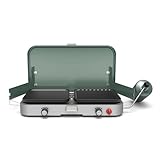
Always have a backup plan for cooking and warmth; a portable camping stove is an excellent alternative if fire restrictions are in place or you can’t find suitable firewood.
Decision rules (simple if/then)
- If fire restrictions are in place, then do not build a fire because it’s illegal and dangerous.
- If you see signs of invasive pests on wood, then do not collect it because you could spread the infestation.
- If the wood is bending and won’t snap, then do not use it for your fire because it’s too wet or green and will smoke excessively.
- If you are unsure who manages the land, then do not collect firewood until you confirm the rules because you could be trespassing or breaking regulations.
- If the wind is gusting strongly, then consider not having a fire or keeping it very small because high winds can cause embers to escape and start unintended fires.
- If your vehicle cannot safely navigate the road, then do not drive further to find wood because you risk getting stuck or damaging your vehicle.
- If you need more wood than you can safely carry in one trip, then make multiple trips rather than overloading yourself because it reduces your risk of injury and environmental impact.
- If you find a large, standing dead tree, then avoid cutting it down because it might be a hazard or protected.
- If you are in a National Park, then assume firewood collection is prohibited unless explicitly stated otherwise because parks are highly regulated for preservation.
- If you have significant amounts of unburned wood at the end of your trip, then check local regulations before leaving it behind because some areas require you to pack it out or scatter it.
- If you have cell service, then check the official land manager’s website for the most up-to-date fire restrictions and rules.
- If you plan to collect wood, then bring a small hatchet or saw to break down larger pieces safely and efficiently.
If you plan to collect wood, consider bringing a small camping hatchet or saw to break down larger pieces safely and efficiently.
FAQ
Can I bring firewood from home?
Generally, no. Transporting firewood can spread invasive insects and diseases that devastate forests. It’s best to buy wood locally near your campsite or gather it on-site if allowed.
What’s the best kind of wood for a campfire?
Dry, seasoned hardwood like oak, maple, or hickory burns the longest and hottest with the least amount of smoke. Softwoods like pine will ignite easily but burn fast and can spark.
How do I know if wood is dry enough?
Dry wood will feel lighter, often has cracks or checks in the ends, and will snap cleanly when you try to break it. Wet or green wood is heavy, often has bark that’s hard to peel, and will bend rather than snap.
What if I can’t find any dead and down wood?
If you’ve thoroughly searched and can’t find enough, your best bet is to purchase firewood from a local vendor. Some campgrounds also sell firewood on-site.
Are there specific tools I need to gather firewood?
A good pair of gloves is essential. A small hatchet or a folding saw can be very helpful for breaking down larger pieces into manageable sizes for your fire. Always use them safely.
What does “Leave No Trace” mean for firewood?
It means gathering only what you need, burning it completely, and not transporting it unnecessarily. Avoid damaging living trees or disturbing the environment while gathering.
What if fires are banned, but I need to cook?
If campfires are prohibited, a portable camp stove is your best friend. They are efficient, reliable, and often allowed even when open fires are not.
When campfires are prohibited, a portable camping stove becomes indispensable. It allows you to cook and enjoy hot meals without violating fire bans.
How much wood should I gather?
Gather only enough for your immediate needs for one evening or a specific cooking task. Over-gathering depletes resources and harms the environment.
What this page does NOT cover (and where to go next)
- Specific campsite regulations and fees. Check the official website for the park or forest you’re visiting.
- Advanced fire-starting techniques for survival situations. Look for wilderness survival courses.
- Detailed information on specific invasive species or pests. Consult your local agricultural extension office or forestry department.
- How to use a chainsaw safely for firewood processing. This requires dedicated training and practice.
- Legal ramifications of violating firewood collection rules in specific jurisdictions. Consult local laws or park rangers.

Camping Bob has spent over 20 years camping across the US — from BLM dispersed sites in the Southwest to KOA campgrounds in the Pacific Northwest. He writes practical, no-nonsense guides to help fellow campers get outdoors with confidence.