
Lighting Your Wood-Burning Fire Pit Safely
Quick answer
- Know your fire restrictions. Seriously, this is rule number one.
- Pick a safe spot, clear of anything flammable.
- Build a solid base with dry tinder, kindling, and fuel wood.
- Use a reliable ignition source, and shield it from wind.
- Never leave a fire unattended. Ever.
- Douse it completely before you leave. Drown, stir, feel.
What to check first (do this before you drive out)
Before you even think about striking a match, do your homework. A little prep saves a lot of headaches, and maybe even prevents a wildfire.
- Land manager / legality: Who’s in charge here? Is it the US Forest Service, BLM, a state park, or private land? Each has its own rules. Some areas might be off-limits for fires entirely, or only allow them in designated rings. Always check the official website or call the ranger station for the specific area you’re headed to. Don’t assume.
- Access/road conditions: Can your rig actually get there? Some fire pit spots are right off the highway, others require high clearance 4WD. Check recent reports for road conditions – mud, snow, washouts, or downed trees can turn a fun trip into a real pain. A quick call to the land manager can give you the lowdown.
- Fire restrictions + weather + wind: This is non-negotiable. Check current fire restrictions for the exact area. Drought conditions mean bans, no exceptions. Look at the weather forecast and wind speed. High winds are a fire’s best friend. If it’s gusty, maybe it’s a no-fire day. I’ve learned this the hard way, almost losing a tent flap to a rogue ember.
- Water plan + waste plan (Leave No Trace): Have water ready to go – a full bucket or a charged hose, if you have hookups. And know how you’ll pack out all your trash, including food scraps. Leave No Trace principles are key to keeping these places beautiful for everyone.
- Safety (wildlife, distance to help, comms): Be aware of local wildlife. Keep food secured and away from the fire pit. Know how far you are from the nearest help – cell service is often spotty in the backcountry. A satellite messenger is a good idea for remote trips.
Step-by-step (field workflow)
Alright, you’ve done your checks. The weather’s good, the restrictions are clear, and you’ve found a safe spot. Time to build this thing.
1. Choose your spot: Find a level area at least 10-15 feet away from tents, trees, bushes, and overhanging branches. If there’s a designated fire ring, use it. If not, clear a 10-foot diameter circle down to bare mineral soil.
- Good looks like: A clean, safe zone with no flammable materials nearby.
- Common mistake: Building too close to vegetation. This can smolder for hours before flaring up. Always err on the side of caution.
2. Gather your materials: You need three things: tinder, kindling, and fuel wood. Tinder is your easy-to-ignite stuff (dry leaves, pine needles, birch bark). Kindling is small twigs, pencil-lead to finger-sized. Fuel wood is larger pieces that will sustain the fire. Make sure it’s all dry.
- Good looks like: A neat pile of each material, ready to go.
- Common mistake: Using wet or green wood. It’ll smoke like crazy and barely burn, making you frustrated.
3. Build your base: Place a generous handful of tinder in the center of your cleared area or fire ring.
- Good looks like: A fluffy, airy nest of tinder.
- Common mistake: Packing the tinder too tight. Airflow is crucial for ignition.
4. Add kindling: Arrange small pieces of kindling over and around the tinder. A teepee or log cabin structure works well, allowing air to circulate.
- Good looks like: A structure that supports the tinder and allows air to reach it from below.
- Common mistake: Drowning the tinder with too much kindling at once. Start small.
5. Light the tinder: Use a reliable ignition source – a lighter, waterproof matches, or a ferro rod. Apply the flame to the base of the tinder. Shield it from wind.
- Good looks like: The tinder catching quickly and starting to burn.
- Common mistake: Not shielding the flame. A gust of wind can blow out your match or lighter before anything catches.
6. Feed the flame: As the kindling catches, gently add more small pieces of kindling, then gradually larger pieces. Don’t smother the flames.
- Good looks like: A steady progression from tinder to kindling, with flames growing stronger.
- Common mistake: Adding fuel wood too soon. Let the kindling get established first.
7. Introduce fuel wood: Once the kindling is burning well, start adding your larger fuel wood. Place pieces strategically to maintain airflow. You can add more as needed to keep the fire going.
- Good looks like: A robust fire with glowing embers and steady flames.
- Common mistake: Piling on too much wood at once. This can choke the fire and create excessive smoke.
8. Maintain and enjoy: Keep an eye on your fire. Add wood as needed. Keep the area around it clear.
- Good looks like: A controlled, enjoyable fire that’s not getting out of hand.
- Common mistake: Letting the fire grow too large or too wild. Keep it manageable.
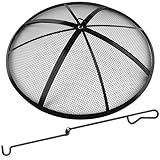
To help contain sparks and embers, especially on breezy nights, consider adding a fire pit spark screen to your setup.
9. Extinguish completely: When you’re done, or leaving the campsite, it’s time to put it out. Pour water on all the embers, not just the flames. Stir the ashes with a shovel. Pour more water on. Repeat until it’s cool to the touch.
- Good looks like: Cold ashes. No heat, no steam, no glowing embers.
- Common mistake: Thinking it’s out because the flames are gone. Embers can reignite hours later.
When stirring ashes or handling hot tools during extinguishment, a good pair of heat resistant gloves can protect your hands.

Common mistakes (and what happens if you ignore them)
| Mistake | What it causes | Fix |
|---|---|---|
| Ignoring fire restrictions | Fines, jail time, and the destruction of forests and homes. A wildfire is devastating. | Always check official sources before you go. If there’s a ban, there’s no fire. Period. |
| Building too close to flammable material | Accidental ignition of surrounding vegetation, leading to a wildfire. | Maintain a 10-15 foot clearance around your fire pit. Clear down to bare soil. |
| Using wet or green wood | Excessive smoke, poor burning, difficulty starting and maintaining the fire, and a lot of frustration. | Collect only dry, dead wood. Store it off the ground if possible. |
| Not having water or extinguishing tools | Inability to control a fire if it spreads or to properly extinguish it, increasing wildfire risk. | Always have a bucket of water, shovel, or other extinguishing tools readily available. |
| Leaving a fire unattended | The fire can spread rapidly due to wind shifts or falling embers. It’s a major cause of wildfires. | Never leave your fire unsupervised, even for a minute. Designate a fire watcher if needed. |
| Incomplete extinguishment | Embers can smolder for hours and reignite hours later, especially in dry conditions. | Drown, stir, feel. Repeat until it’s cold. Seriously, feel the ashes with the back of your hand (carefully!). |
| Building a fire in high winds | The fire can become uncontrollable very quickly, spreading embers and flames over a wide area. | If winds are strong, skip the fire. It’s just not worth the risk. |
| Not clearing the area down to mineral soil | Roots or duff can smolder underground and re-emerge later as a wildfire. | Scrape away all organic material until you see bare dirt. This is crucial for preventing underground fires. |
| Piling on too much wood at once | Smothers the fire, creates excessive smoke, and can make it hard to control. | Add fuel wood gradually as the fire needs it. Maintain airflow. |
| Using accelerants like gasoline | Uncontrolled flare-ups, burns, and potential explosion. It’s incredibly dangerous and often illegal. | Stick to natural tinder and kindling. Lighters and matches are your friends. |
Decision rules (simple if/then)
- If fire restrictions are in place, then do not build a fire because it’s illegal and dangerous.
- If wind speeds are over 15-20 mph, then reconsider having a fire because it’s a wildfire risk.
- If you don’t have a reliable way to extinguish the fire completely, then don’t start one because you won’t be able to put it out safely.
- If the area is not cleared to bare mineral soil (or a designated ring isn’t used), then do not build a fire there because of the risk of underground smoldering.
- If you can’t see your fire from where you’re sitting, then you’re too far away and should move closer or manage it better because it’s unattended.
- If you have less than 10 feet of clearance around your fire pit, then move your fire pit or don’t build one because it’s a fire hazard.
- If you’re using anything other than natural tinder and kindling to start your fire, then stop and reassess because you’re likely doing it unsafely.
- If you’re unsure about the legality of fires in an area, then check with the land manager before you go because ignorance isn’t a defense.
- If the wood you collected is damp or green, then don’t try to burn it because it will create excessive smoke and be difficult to manage.
- If you’ve finished using the fire pit for the evening, then start the extinguishing process immediately because it takes time to cool down.
- If you see any embers glowing or feel any heat, then continue the extinguishing process because the fire is not fully out.
- If you’re in a drought-prone area, then be extra vigilant about fire safety because conditions are extremely hazardous.
FAQ
Q: What’s the best way to start a fire when it’s windy?
A: Use a windproof lighter or ferro rod. Build a small, sheltered structure with your tinder and kindling, and shield the initial flame from gusts. It’s also often just too windy to safely have a fire.
Q: How much wood do I need?
A: For a typical evening campfire, a good armful or two of seasoned hardwood is usually plenty. It’s better to have a little extra than to run out.
Q: Can I use lighter fluid or gasoline?
A: No. These accelerants create dangerous flare-ups and are a common cause of severe burns. Stick to natural tinder and kindling.
Q: What if I find a designated fire ring that’s full of trash?
A: Pack out what you can. If it’s too much, report it to the land manager. Don’t burn trash; it releases toxins and can damage the ring.
Q: How do I know if the wood is dry enough?
A: Dry wood is lighter, often has cracks at the ends, and makes a clear ringing sound when tapped against another piece. Wet wood is heavy and dull-sounding.
Q: What’s the difference between tinder and kindling?
A: Tinder is your easiest-to-ignite material, like dry leaves or birch bark. Kindling is slightly larger, like small twigs, that catches from the tinder. Both are essential steps before adding your main fuel wood.
Q: Can I burn wet wood if I let it dry by the fire?
A: It’s generally not recommended. Wet wood produces a lot of smoke and creosote, which isn’t good for the environment or your campfire experience. Best to use dry wood from the start.
Q: What if I can’t find any dry wood?
A: Sometimes you have to improvise. Look for dead branches still on trees (standing deadwood) as they tend to be drier than wood on the ground. You can also bring your own fire starters.
What this page does NOT cover (and where to go next)
- Detailed information on specific fire pit construction techniques. (Look for DIY camping guides).
- Legal regulations for specific national forests, parks, or BLM lands. (Check the official agency website for your destination).
- Identifying edible or medicinal plants in the wild. (Consult local foraging guides and experts).
- Advanced wilderness survival fire-starting methods. (Seek out wilderness survival courses).
- Specific gear reviews for lighters, matches, or fire starters. (Browse outdoor gear review sites).

Camping Bob has spent over 20 years camping across the US — from BLM dispersed sites in the Southwest to KOA campgrounds in the Pacific Northwest. He writes practical, no-nonsense guides to help fellow campers get outdoors with confidence.