
Keep Your Outdoor Fire Burning Safely
Quick answer
- Know the fire restrictions before you go. Seriously.
- Pick a safe spot away from anything flammable.
- Clear a wide radius around your fire pit.
- Have water and a shovel handy, always.
- Build a fire that fits your needs – don’t go overboard.
- Douse it completely, then stir and douse again.
- Pack out anything you packed in. Leave No Trace.
What to check first (do this before you drive out)
Always start with the intel. Don’t be that person who gets to camp and realizes they can’t even have a spark.
- Land manager / legality: Who’s in charge of the land? Is it National Forest, BLM, a state park, or private land? Each has its own rules. A quick search for the specific land management agency and “fire restrictions” is your best bet. They’ll tell you what’s allowed, if anything.
- Access/road conditions: Can your rig even get there? Is the road paved, gravel, or just a suggestion? Check recent reports if you can. A sturdy 2WD might be fine in summer, but a washed-out road or a few inches of mud can stop you cold. Know your vehicle’s limits.
- Fire restrictions + weather + wind: This is non-negotiable. Fire bans are common, especially in dry seasons. Check the official agency websites. Then, look at the weather forecast. High winds are your enemy. A gentle breeze can turn into a wildfire with a single ember. If it’s windy, consider a stove instead.
- Water plan + waste plan (Leave No Trace): How will you put your fire out? You need a reliable water source and a way to move it. A few gallons in a bucket works. Also, think about your waste. Pack out all trash, including food scraps. Don’t burn plastic or anything that smells bad.
- Safety (wildlife, distance to help, comms): Are there bears or other critters around? Keep food secured. How far is the nearest ranger station or town? Cell service is often spotty, so have a plan for emergencies. Let someone know your itinerary.
Step-by-step (field workflow)
This is how you get it done right, from start to finish.
1. Choose your location.
- What to do: Find a designated fire ring if available. If not, pick a spot on bare ground, at least 15 feet from trees, bushes, tents, and anything else that can burn. Avoid windy spots.
- What “good” looks like: A clear, safe spot, ideally with existing infrastructure like a fire ring. No overhanging branches.
- Common mistake: Picking a spot that looks convenient but is too close to flammable materials. Avoid this by always measuring the distance.
2. Clear the area.
- What to do: Rake a 10-foot diameter circle around your chosen spot down to bare mineral soil. Remove all leaves, pine needles, grass, and twigs.
- What “good” looks like: A wide, clean circle of dirt. No fuel for stray sparks.
- Common mistake: Only clearing a small area, thinking a little bit is enough. This leaves you vulnerable to creeping embers.
3. Gather your fuel.
- What to do: Collect only dead and downed wood. Gather wood that’s no thicker than your wrist. You need tinder (dry leaves, bark), kindling (small twigs), and fuel wood (larger pieces). Don’t cut live trees.
- What “good” looks like: A neat pile of various sizes of dry wood, ready to go.
- Common mistake: Bringing too much wood or cutting live branches. This damages the environment and can be illegal.
4. Prepare your water and tools.
- What to do: Fill a bucket with water. Have a shovel or dirt handy to smother flames if needed.
- What “good” looks like: Water bucket full and within easy reach, shovel ready.
- Common mistake: Forgetting to fill the water bucket or leaving tools far away from the fire.
5. Start the fire.
- What to do: Place a small amount of tinder in the center of the pit. Light it with a match or lighter. Once the tinder catches, add small pieces of kindling, building up to larger pieces as the flames grow.
- What “good” looks like: A small, controlled flame that’s growing steadily.
- Common mistake: Piling on too much wood too soon, smothering the initial flame. Start small and build up.
For lighting your tinder, especially in less-than-ideal weather, a set of stormproof matches can be a lifesaver. They’re designed to ignite and stay lit even when wet or windy.

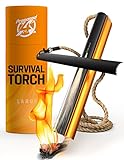
To make starting your fire even easier and safer, consider bringing a reliable camping fire starter kit. These kits often include everything you need to get a flame going quickly and efficiently.
6. Maintain the fire.
- What to do: Add fuel wood gradually as needed. Keep the fire to a manageable size. Never leave it unattended, not even for a minute.
- What “good” looks like: A steady, controlled fire that provides warmth and light without getting out of hand.
- Common mistake: Letting the fire get too big or walking away from it. This is how accidents happen.
7. Plan your exit.
- What to do: As you wind down, stop adding wood well before you plan to leave. Let the fire burn down to coals.
- What “good” looks like: A pile of glowing coals, not roaring flames.
- Common mistake: Trying to put out a raging fire right before you need to leave. This takes time and patience.
8. Extinguish the fire completely.
- What to do: Pour water on the coals and embers. Stir them with a shovel. Pour more water on. Repeat until everything is cool to the touch.
- What “good” looks like: No smoke, no heat, no glowing embers. The ashes should be cold.
- Common mistake: Thinking it’s out when it’s just not flaming. Embers can reignite hours later.
9. Clean up.
- What to do: Scatter the cold ashes widely if permitted, or pack them out. Ensure the fire pit area is clean. Pack out all trash.
- What “good” looks like: The area looks as if you were never there, or even better.
- Common mistake: Leaving trash, unburned food, or a messy fire pit. This ruins it for the next person.
Common mistakes (and what happens if you ignore them)
| Mistake | What it causes | Fix |
|---|---|---|
| Ignoring fire restrictions | Fines, jail time, and starting a wildfire. | Always check official agency websites before you leave home. |
| Building a fire too close to cover | Flames spread to trees, tents, or vehicles. | Clear a minimum 10-foot radius down to bare dirt. Measure it. |
| Leaving the fire unattended | Escaped embers can start a wildfire quickly. | Never walk away. If you need to leave, put the fire out completely. |
| Not having enough water/tools | Inability to control or extinguish the fire when needed. | Keep a full water bucket and shovel within arm’s reach at all times. |
| Burning inappropriate materials | Toxic fumes, melted plastic in the pit, attracting unwanted wildlife. | Only burn natural, dead, and downed wood. Pack out all trash. |
| Not extinguishing the fire properly | Reignition by wind or smoldering embers. | Douse, stir, douse again. Ensure it’s cold to the touch. |
| Using green or wet wood | Smokes a lot, hard to get going, doesn’t burn efficiently. | Gather only dry, dead, and downed wood. Test it by snapping. |
| Building a fire too big | Harder to control, wastes fuel, can be dangerous. | Keep the fire to a size that fits your needs and the pit. |
| Not checking wind conditions | Embers blow around easily, increasing wildfire risk. | If it’s windy, skip the fire and use a camp stove. |
| Leaving trash in the fire pit | Attracts animals, pollutes the environment, ruins the experience. | Pack out everything you pack in, including food scraps. |
| Not clearing enough area around the pit | Creeping ground fires or embers igniting nearby vegetation. | A 10-foot cleared circle is the minimum. More is better. |
| Relying solely on a fire ring | Rings can be damaged, or sometimes they are just a suggestion. | Always clear the area around a fire ring, just in case. |
Decision rules (simple if/then)
- If fire restrictions are in place, then do not build a fire because it’s illegal and dangerous.
- If the wind is gusting over 15 mph, then consider using a camp stove instead of a fire because high winds spread embers quickly.
- If you are in a highly vegetated area with dry conditions, then be extra cautious with fire because the risk of wildfire is higher.
- If you are in a designated campground with fire rings, then use the fire ring provided because it’s designed for safety.
- If you cannot clear a 10-foot radius around your fire pit down to bare soil, then do not build a fire there because it’s not safe.
- If you don’t have at least 2 gallons of water and a shovel readily available, then do not start a fire because you need to be prepared to extinguish it.
- If you are unsure about the land manager or rules, then err on the side of caution and do not build a fire until you confirm.
- If you plan to leave your campsite for an extended period, then fully extinguish your fire before you go because unattended fires are a major hazard.
- If you see any signs of the fire spreading outside the cleared area, then immediately use your water and shovel to put it out because containment is key.
- If you are burning wood that is still green or has bark on it, then expect a lot of smoke and difficulty burning because it’s not ideal fuel.
- If you have children or pets, then maintain extra vigilance around the fire because they might not understand the danger.
- If you are at high elevation, then be aware that fires can burn hotter and faster due to drier air.
FAQ
What’s the best way to put out a campfire?
The best way is to douse it with plenty of water, stir the ashes and embers with a shovel, and then douse it again. Keep doing this until everything is cool to the touch.
How big should my campfire be?
Keep it small. A fire that’s too big is harder to control, wastes wood, and is more dangerous. A campfire should be just big enough for your needs, like cooking or providing a bit of warmth.
Can I burn trash in my campfire?
No, you should never burn trash. Plastics and other synthetic materials release toxic fumes. Food scraps can attract animals. Pack out all your trash.
What if I find a fire ring that’s not clean?
If you find a fire ring with trash or debris, clean it up before you use it. It’s part of Leave No Trace principles to leave a place better than you found it.
How do I know if it’s too windy to have a fire?
If you can feel the wind strongly pushing against you, or if leaves and small debris are being blown around rapidly, it’s likely too windy for a safe campfire. Check local wind advisories.
What kind of wood should I use for a campfire?
Always use dead, downed wood. It should be dry enough to snap easily. Avoid cutting live trees or branches, as this is harmful to the environment and often illegal.
How long does it take to fully extinguish a campfire?
It can take longer than you think, especially if you have a lot of hot coals. Be patient. It might take 20-30 minutes or more of dousing and stirring to ensure it’s completely out.
What if I see smoke coming from my extinguished fire pit later?
If you see smoke, it means the fire isn’t out. Immediately douse it with more water and stir. This is why checking for coolness is so important.
Can I use accelerants like lighter fluid?
It’s generally best to avoid accelerants like lighter fluid or gasoline. They can cause dangerous flare-ups. Rely on dry tinder and kindling to get your fire started safely.
What this page does NOT cover (and where to go next)
- Specific campsite regulations or permit requirements. Check the official land manager’s website for details.
- Advanced fire-starting techniques for survival situations. Look into wilderness survival courses.
- Detailed information on building specialized fire structures like rocket stoves or reflector fires. Research specific designs.
- Legal ramifications and penalties for violating fire bans in specific jurisdictions. Consult local law enforcement or park rangers.
- Recipes for cooking over an open fire. Explore campfire cooking blogs or cookbooks.

Camping Bob has spent over 20 years camping across the US — from BLM dispersed sites in the Southwest to KOA campgrounds in the Pacific Northwest. He writes practical, no-nonsense guides to help fellow campers get outdoors with confidence.