
How Much Firewood Do You Need for Camping?
Quick answer
- A general rule of thumb is 1-2 bundles of firewood per night, but this varies wildly.
- Consider the duration of your trip: a weekend needs more than a single night.
- Think about your fire use: cooking, ambiance, or just staying warm.
- Local climate plays a big role: colder means more fire.
- Always pack a little extra, just in case. You don’t want to be caught in the dark.
- Check regulations: some places require you to buy wood locally.
For a convenient and consistent burn, consider bringing compressed firelogs, especially if local wood is scarce or regulations are strict.

What to check first (do this before you drive out)
Before you even think about packing the car, nail down these essentials. Getting this right saves headaches and keeps you safe.
- Land manager / legality: Who actually owns the dirt you’re camping on? Is it National Forest, BLM land, a State Park, or private? Each has its own rules about fires and bringing in wood. A quick check on their official website or a call to the ranger station is your first move. Don’t assume.
- Access/road conditions: How are you getting to your spot? Paved road? Gravel? Muddy track? Knowing your vehicle’s limits is key. If you’re planning on bringing a ton of wood, make sure the road can handle the weight and potential ruts. I learned that lesson the hard way once, stuck for hours.
- Fire restrictions + weather + wind: This is a biggie. Are campfires even allowed? Many areas have seasonal bans. Check the local fire danger level. Also, peek at the forecast. A windy, cold night will chew through wood faster than a calm, mild one.
- Water plan + waste plan (Leave No Trace): Got water to put out your fire completely? And a plan for your trash? Firewood can be messy, and you don’t want to leave a charred mess behind. Leave No Trace principles are non-negotiable out there. Pack it in, pack it out.
- Safety (wildlife, distance to help, comms): Is this a remote spot? Are there bears or other critters that might be attracted by food smells or even the fire itself? Know how far you are from the nearest ranger station or town. Cell service is often spotty, so have a backup plan for emergencies.
Step-by-step (field workflow)
Here’s how to approach your firewood needs, from planning to packing out.
1. Determine trip length: How many nights are you staying?
- Good: You know you have exactly 3 nights planned.
- Mistake: Just saying “the weekend” without clarifying Friday night to Sunday morning. This can mean 2 or 3 nights depending on arrival/departure.
2. Assess your fire needs: What’s the fire for? Cooking, warmth, ambiance, or all three?
- Good: You plan to cook dinner over the fire each night, and maybe have a small fire for an hour before bed.
- Mistake: Assuming you’ll have a roaring bonfire every single night for 10 hours. That’s a lot of wood.
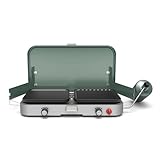
If cooking is your main priority, a reliable portable camping stove can significantly reduce your firewood needs, allowing you to save wood for ambiance.
3. Check local regulations: What are the rules on campfires and bringing in firewood?
- Good: You’ve confirmed campfires are allowed and you must buy wood within a 50-mile radius of the campground.
- Mistake: Ignoring “don’t move firewood” signs and bringing your own stash from home. You could spread invasive pests.
4. Research average weather: What’s the typical temperature and wind for your trip dates and location?
- Good: You see average lows are in the 40s, with occasional gusts. You’ll need more wood for warmth.
- Mistake: Assuming it will be warm and pleasant because it’s “summer,” even if you’re heading to a mountain elevation.
5. Estimate wood per night: Based on the above, make a rough guess.
- Good: “I’ll need about 1.5 bundles per night for cooking and a couple of hours of evening fire.”
- Mistake: “I’ll just grab a few logs, I’ll be fine.” This is way too vague.
6. Add a buffer: Always pack a little extra.
- Good: You calculated 4.5 bundles for your 3-night trip and decided to grab 6.
- Mistake: Packing exactly what you think you need. What if you have an unexpected cold snap or decide to stay an extra night?
7. Purchase or gather (legally): Buy wood locally or gather if permitted and you know how.
- Good: You stop at the designated roadside stand near the campground.
- Mistake: Chopping down dead trees without checking if it’s allowed or if they’re actually dead enough to burn.
8. Pack and secure: Get your wood into the vehicle.
- Good: You put the bundles in a waterproof bag or the truck bed, away from passengers.
- Mistake: Leaving open bundles of wood loose in the passenger cabin, tracking bark and dirt everywhere.
9. Manage during the trip: Use wood wisely.
- Good: You start with a small fire for cooking, then let it die down to embers for warmth.
- Mistake: Keeping a massive fire going all day and night “just in case.”
10. Pack out remnants: Dispose of ashes properly.
- Good: You ensure the fire is completely out, cold to the touch, and scatter the ashes widely away from water sources.
- Mistake: Leaving a pile of hot embers or a visible fire ring with unburned wood.
Common mistakes (and what happens if you ignore them)
| Mistake | What it causes | Fix |
|---|---|---|
| Bringing firewood from home | Spreading invasive insects and diseases, killing local trees | Buy firewood locally, within 50 miles of your campsite. |
| Underestimating your wood needs | Cold nights, no cooking fire, disappointing evenings | Pack more than you think you’ll need; a little extra is better than none. |
| Overestimating your wood needs | Wasted money, carrying unnecessary weight, potential for fire ban violations | Plan realistically based on trip length, fire use, and weather. |
| Not checking fire restrictions | Fines, large fines, potential jail time, starting a wildfire | Always check the current fire danger level and local regulations before you leave home. |
| Relying on finding wood at the campsite | No wood available, violating rules if gathering is prohibited | Plan your wood acquisition in advance; buy it before you arrive or know where to get it. |
| Not securing firewood in your vehicle | Messy interior, tracking dirt and bugs into your car | Use bins, tarps, or secure the truck bed to contain wood and debris. |
| Burning wet or unseasoned wood | Smoky fires, hard to start, poor heat output | Buy seasoned, dry firewood from a reputable local source. |
| Leaving fires unattended | Accidental spread, potential for wildfire | Never leave a fire unattended, even for a minute. Have water and a shovel nearby. |
| Not extinguishing fires completely | Smoldering embers can reignite, starting wildfires | Douse with water, stir ashes, douse again until it’s cold to the touch. |
| Assuming all wood burns the same | Inconsistent burn times, unexpected flare-ups or dying coals | Different wood types burn differently; denser hardwoods last longer than softwoods. |
| Not considering your vehicle’s carrying capacity | Damaged suspension, poor handling, unsafe driving conditions | Be mindful of the weight of firewood, especially on long trips or rough roads. |
| Not having a backup plan for heat | Being cold and miserable if you can’t have a fire | Pack warm clothing, sleeping bags, and consider a small propane heater for emergencies. |
Decision rules (simple if/then)
- If the forecast calls for temperatures below 40°F at night, then plan for at least 1.5-2 bundles per night because colder air requires more fuel to maintain warmth.
- If your primary goal is cooking meals over the fire, then budget for slightly more wood than just ambiance because cooking requires a consistent heat source.
- If you are camping in a high-wind area, then use less wood per hour and maintain a smaller, more controlled fire because wind can make fires burn unpredictably fast and spread embers.
- If you are on a multi-day backpacking trip where weight is critical, then bring a small, efficient stove and minimal wood for emergencies or a brief evening fire because carrying excessive firewood is impractical.
- If the land manager requires you to buy wood locally, then locate a vendor before you leave home because you might not find one conveniently on arrival.
- If you are camping in a developed campground with fire rings, then assume you’ll need bundles rather than loose logs because bundles are typically pre-portioned for convenience.
- If you have a large group, then increase your wood estimate by 25-50% because more people often means a larger, longer-lasting fire.
- If you are unsure about wood availability at your destination, then pack an extra bundle or two because it’s better to have too much than too little.
- If the wood you purchased is damp, then plan to use more of it and start your fires earlier because wet wood takes longer to catch and burns less efficiently.
- If you are camping in the shoulder seasons (spring/fall), then pack for colder weather than mid-summer because nights can be significantly cooler.
- If you plan to use your fire for heat throughout the night, then you will need significantly more wood, possibly double your estimate for evening use only.
- If you are in a drought-prone area, then always prioritize checking fire restrictions above all else because the risk of wildfire is paramount.
If you are on a multi-day backpacking trip where weight is critical, then bring a small, efficient portable camping stove and minimal wood for emergencies or a brief evening fire because carrying excessive firewood is impractical.
FAQ
How much firewood is in a standard bundle?
Bundles vary, but typically contain 5-10 pieces of wood, enough for a few hours of moderate burning. It’s not an exact science, so treat it as a guideline.
Can I gather deadwood in the forest?
It depends entirely on the land manager’s rules. Some areas allow it, others prohibit it to protect the ecosystem. Always check first.
What’s the best type of wood for campfires?
Hardwoods like oak, maple, and hickory burn longer and hotter. Softwoods like pine and fir catch fire easily but burn faster. A mix can be good.
How do I know if my firewood is dry enough?
Dry wood is usually lighter, has cracks on the ends, and makes a clear “clack” sound when two pieces are hit together, not a dull “thud.” It should also feel dry to the touch.
Should I buy firewood near the campsite or before I leave?
Buy it locally, ideally within 50 miles of where you’ll be camping. This is crucial for preventing the spread of invasive insects and diseases.
How much wood do I need for a 2-night camping trip?
For a typical weekend trip with evening fires for warmth and ambiance, 2-4 bundles is a common starting point. Adjust based on weather and your specific needs.
What happens if I get caught bringing firewood from home?
You could face significant fines, and the wood will likely be confiscated. More importantly, you risk damaging forests by introducing pests.
Is there a way to estimate wood needs without knowing the exact weather?
You can look at historical average temperatures for your destination and time of year. Assume slightly colder than average to be safe.
What if I run out of firewood unexpectedly?
Have a backup plan. This could be a small propane stove for cooking, warm layers, or knowing the nearest place to buy more wood if possible.
If you run out of firewood unexpectedly, having a few compressed firelogs on hand can be a great backup for a quick, easy fire.
What this page does NOT cover (and where to go next)
- Detailed instructions on how to build different types of campfires (e.g., teepee, log cabin).
- Specific campfire safety techniques like how to properly extinguish a fire.
- Information on purchasing specific types of firewood or brands.
- Legal ramifications for violating fire restrictions beyond general warnings.
- How to properly store firewood at home to prevent pests.
- Advanced techniques for foraging and processing your own firewood in the wilderness.

Camping Bob has spent over 20 years camping across the US — from BLM dispersed sites in the Southwest to KOA campgrounds in the Pacific Northwest. He writes practical, no-nonsense guides to help fellow campers get outdoors with confidence.