
How to Properly Wash Your Sleeping Bag
Quick answer
- Check the tag first. Most bags can be machine washed, but some require hand washing.
- Use a front-loading washer, not a top-loader with an agitator.
- Use a mild, down-specific or synthetic-specific detergent. Never use fabric softener.
- Dry on low heat with clean tennis balls or dryer balls.
- Ensure the bag is completely dry before storing.
- Store it loosely, not compressed.
What to check first (do this before you drive out)
Before you even think about tossing that sleeping bag into the wash, there are a few crucial steps to take. Getting this right saves you a lot of hassle down the road.
- Check the care tag: This is your bible. It’s usually inside the stuff sack or sewn into a seam. It’ll tell you if it’s down or synthetic, and the manufacturer’s recommended washing method. Some bags are dry-clean only, though that’s rare these days. Ignore this, and you risk ruining your insulation.
- Inspect for damage: Look for any rips, tears, or loose seams. Small holes can become big problems in the wash. Mend these before washing. A little patch or some careful stitching goes a long way.
- Pre-treat stains: Got a greasy spot from campfire cooking or a muddy patch? Gently spot-treat these with a tiny bit of mild detergent. Rub it in gently with your fingers or a soft brush. Don’t go crazy, just tackle the obvious offenders.
- Empty pockets and clear debris: Sounds obvious, right? But you’d be surprised. Check all zippers and pockets for rogue snacks, chapstick, or anything else that could get lodged in the machine or damage the bag. Brush off any loose dirt or pine needles.
Step-by-step (field workflow)
Okay, you’ve done your homework. Now let’s get that bag clean.
1. Choose the right machine: If you have a front-loading washing machine, use it. These are gentle. If you only have a top-loader with a central agitator, find a laundromat. The agitator can tear and clump the insulation.
- Good looks like: The bag tumbles freely with plenty of space.
- Common mistake: Using a top-loader with an agitator. This can shred your bag’s delicate insulation. Avoid it like a bear at your food stash.
2. Select your detergent: Use a special down wash if you have a down bag. For synthetics, use a synthetic-specific cleaner. Regular laundry detergent has additives that can strip natural oils from down or clog synthetic fibers.
- Good looks like: A clear, mild liquid detergent designed for technical gear.
- Common mistake: Grabbing your regular detergent. It’s too harsh and can ruin the loft and water repellency of your insulation.
3. Load the bag: Place the sleeping bag in the washer. Don’t cram it in. If it’s a big bag, you might need to wash it alone.
- Good looks like: The bag fits loosely in the drum, allowing water to circulate.
- Common mistake: Overloading the machine. This prevents proper cleaning and rinsing.
4. Run a gentle cycle: Use a cold or warm water setting (check the tag!) and a gentle or delicate cycle.
- Good looks like: The machine is running quietly, no aggressive tumbling.
- Common mistake: Using hot water or a heavy-duty cycle. This can damage the insulation and fabric.
5. Rinse thoroughly: This is critical. You need to get all the soap out. Run an extra rinse cycle if your machine has one.
- Good looks like: No suds visible when you open the machine.
- Common mistake: Not rinsing enough. Residual soap attracts dirt and reduces loft.
6. Remove gently: Carefully take the wet, heavy bag out of the washer. Support its weight to avoid straining seams.
- Good looks like: You’re supporting the bag evenly.
- Common mistake: Yanking the bag out. A wet bag is heavy and can stretch or tear.
7. Begin drying: Transfer the bag to a large-capacity dryer. Add a few clean tennis balls or dryer balls. These help break up clumps of insulation and restore loft as it dries.
- Good looks like: The bag has room to tumble, and the balls are bouncing around.
- Common mistake: Air drying a down bag completely. It takes forever and can lead to mildew. A dryer is best.
8. Dry on low heat: Use the lowest heat setting possible. High heat can melt synthetic insulation or damage down.
- Good looks like: A gentle warmth, not intense heat.
- Common mistake: Using high heat. This is a fast track to a ruined bag. Patience is key here.
9. Check frequently: Stop the dryer every 30–60 minutes. Take the bag out, shake it vigorously, and feel for clumps. Break up any clumps by hand.
- Good looks like: You’re actively fluffing and checking the insulation.
- Common mistake: Leaving it in the dryer for hours straight. You miss opportunities to break up clumps.
10. Ensure it’s bone dry: This can take several hours, sometimes even overnight. The bag must be completely dry before you store it. Any residual moisture can lead to mold and mildew.
- Good looks like: The bag feels light, fluffy, and has no damp spots or smells.
- Common mistake: Storing a slightly damp bag. This is how you get that musty smell that’s impossible to get rid of.
11. Fluff and store: Once dry, give it a final good shake. Store it loosely in a large cotton bag or hang it up. Avoid long-term compression.
- Good looks like: The bag is airy and ready for its next adventure.
- Common mistake: Stuffing it back into its small compression sack. This crushes the insulation over time.
To help restore your sleeping bag’s loft and ensure even drying, toss in a few clean dryer balls with your bag.
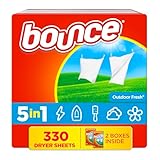
When washing, always opt for a specialized down-specific detergent to protect the natural oils and loft of your down sleeping bag.

For the gentlest clean, make sure to use a front-loading washing machine, as these are much kinder to your sleeping bag than top-loaders with agitators.

For synthetic bags, a specialized cleaner like this synthetic sleeping bag cleaner is essential to maintain the integrity of the fibers.
Common mistakes (and what happens if you ignore them)
| Mistake | What it causes | Fix |
|---|---|---|
| Using a top-loader with an agitator | Torn fabric, matted/clumped insulation, reduced loft, shorter bag lifespan | Use a front-loader or laundromat. |
| Using regular laundry detergent | Stripped down oils, clogged synthetic fibers, reduced loft, poor insulation | Use specialized down or synthetic wash. |
| Using fabric softener | Reduced water repellency, clogged fibers, decreased loft | Never use fabric softener. |
| Not rinsing enough | Soap residue attracts dirt, reduces loft, can irritate skin | Run an extra rinse cycle. |
| Using high heat in the dryer | Melted synthetic insulation, damaged down, clumping | Always use the lowest heat setting. |
| Not breaking up insulation clumps | Uneven heating/cooling, cold spots, permanently matted insulation | Shake and manually break up clumps every 30-60 minutes during drying. |
| Storing the bag compressed | Permanent loss of loft, reduced warmth, shortened lifespan | Store loosely in a large bag or hang it up. |
| Storing a slightly damp bag | Mold and mildew growth, persistent musty odor, damaged insulation | Ensure the bag is completely dry before storing. |
| Washing a bag with significant damage | Rips get bigger, insulation escapes, bag becomes unusable | Inspect and repair any tears or loose seams <em>before</em> washing. |
| Washing a dry-clean-only bag | Chemical damage to insulation, fabric shrinkage, ruined bag | Check the tag; if it says dry-clean, take it to a professional cleaner experienced with outdoor gear. |
Decision rules (simple if/then)
- If the care tag says “dry clean only,” then take it to a professional cleaner because some delicate down or specialized treatments require it.
- If you have a top-loading washing machine with a central agitator, then find a laundromat with front-loading machines because the agitator will damage your bag.
- If you have a down bag, then use a down-specific wash because regular detergents strip natural oils and reduce loft.
- If you have a synthetic bag, then use a synthetic-specific wash because it cleans effectively without damaging the fibers.
- If you see suds after the wash cycle, then run an extra rinse cycle because soap residue attracts dirt and reduces performance.
- If you hear loud thumping in the dryer, then stop it and redistribute the bag because uneven drying leads to clumps.
- If the bag still feels damp or smells musty after drying, then put it back in the dryer on low heat because residual moisture causes mold.
- If you plan to store the bag for a long time, then do not keep it in its stuff sack because compression permanently damages loft.
- If you notice a stain, then pre-treat it gently before washing because it’s easier to remove when fresh.
- If the bag has any rips or tears, then repair them before washing because the washing machine will make them much worse.
FAQ
How often should I wash my sleeping bag?
Wash it only when it’s visibly dirty, smells funky, or its loft has decreased significantly. Over-washing can wear out the insulation faster. Think of it like washing your favorite hiking boots – only when they really need it.
Can I hand wash my sleeping bag?
Yes, for some bags. Use a bathtub and mild detergent. Rinse thoroughly, press out water gently (don’t wring!), and then proceed to the drying steps. It’s more labor-intensive but a good option for delicate bags.
When drying, adding a few dryer balls will help fluff up the insulation and ensure even drying.

What if my bag is down and I don’t have down wash?
It’s highly recommended to get the proper cleaner. If you absolutely can’t, a very mild, unscented, liquid soap (like baby soap, but diluted) might be a last resort, but it’s risky. Never use regular detergent.
How long does it take to dry a sleeping bag?
It can take a long time, often 4–8 hours or even more on low heat. Patience is key. You need to ensure it’s completely dry, or you’ll end up with mold.
Will washing ruin the water-repellent coating?
Washing can reduce the effectiveness of the DWR (Durable Water Repellent) finish over time. You can reapply a DWR treatment after washing and drying to restore its performance.
My bag still smells after washing and drying, what gives?
This usually means it wasn’t completely dry, or there was still soap residue. Try drying it again on low heat, making sure to break up clumps. If the smell persists, it might be mildew, which is tough to remove.
What are those balls in the dryer?
They’re usually tennis balls or specialized dryer balls. They help agitate the insulation, breaking up clumps and restoring the bag’s loft. Make sure they’re clean!
What this page does NOT cover (and where to go next)
- Specific DWR treatment application methods and product recommendations.
- Detailed repair techniques for significant rips or zipper failures.
- How to clean sleeping pads or tents.
- The science behind different insulation types (down vs. synthetic).
- Choosing the right sleeping bag for your next trip.