
How to Repair a Zipper on Your Tent
Quick answer
- Don’t panic, most tent zipper issues are fixable.
- Identify the problem: stuck, separated, or broken teeth.
- Lubricate stuck zippers with graphite or wax.
- Use pliers to realign bent teeth.
- Sew on a new zipper pull if the old one broke off.
- For major damage, a zipper repair kit or professional help might be needed.
- Prevention is key: zip gently and keep it clean.
What to check first (do this before you drive out)
Before you even think about a zipper repair, make sure your trip is actually a go. A busted zipper is a bummer, but getting stuck on a dusty road or facing a wildfire ban is way worse.
- Land manager / legality: Who’s in charge of the patch of dirt you’re heading to? Is it US Forest Service, BLM, a National Park, or a state park? Each has its own rules. Check their websites or give them a call. I learned that lesson the hard way when I showed up to a “dispersed camping” spot that was suddenly closed for elk calving. Bummer.
- Access/road conditions: Your rig’s capability matters. Is that dirt road a cakewalk, or will it eat your sedan alive? Know your vehicle’s clearance and if you need 4WD or AWD. Mud, snow, or washouts can turn a short drive into a multi-day ordeal.
- Fire restrictions + weather + wind: This is a big one. Fire bans are no joke. Check the local fire danger level and any burn bans. Also, peek at the weather forecast. High winds can make setting up a tent a wrestling match, and heavy rain can turn your campsite into a swamp.
- Water plan + waste plan (Leave No Trace): Where’s your water coming from? Is it potable, or do you need to filter/treat it? And what about trash? Pack it in, pack it out. Plan for all your waste, including human waste if you’re in an area without facilities. LNT principles are non-negotiable out there.
- Safety (wildlife, distance to help, comms): What critters share this space? Know what to do if you encounter them. How far are you from the nearest town or ranger station? Do you have cell service? A satellite communicator is a good bet for remote areas.
Step-by-step (field workflow)
Okay, so you’re out there, and the tent zipper decides to throw a fit. Here’s how to tackle it.
1. Assess the damage:
- What to do: Look closely at the zipper. Is it just stuck, or are teeth missing? Is the pull tab gone? Is the slider jammed?
- What “good” looks like: You’ve pinpointed the exact problem. It’s like diagnosing a car issue – you gotta know what’s broken.
- A common mistake and how to avoid it: Assuming the worst immediately. Don’t just yank harder. That’s how you make a small problem much bigger.
2. Lubricate a stuck zipper:
- What to do: Use a dry lubricant. Pencil graphite (rub the lead on the teeth), a bar of soap, or even lip balm can work in a pinch. Gently work the slider back and forth.
- What “good” looks like: The slider moves smoothly again, and the zipper opens and closes.
- A common mistake and how to avoid it: Using oily lubricants like WD-40. They can attract dirt and gunk up the zipper even more, plus they can stain your tent fabric. Stick to dry stuff.
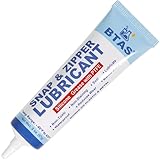
For best results, consider using a specialized dry zipper lubricant to ensure smooth operation without attracting dirt.
3. Fix separated zipper teeth:
- What to do: This usually happens when the slider gets pulled too hard or is worn out. Gently use pliers to crimp the slider slightly on the back end (the side away from the pull tab). Don’t squeeze hard, just a gentle nudge.
- What “good” looks like: The zipper teeth now mesh properly when you pull the slider.
- A common mistake and how to avoid it: Squeezing the slider too hard. You can crush it, making it useless. Go light, test, and repeat if needed.
A good pair of needle-nose pliers will be invaluable for gently crimping the slider or realigning bent teeth.

4. Realign bent teeth:
- What to do: If a tooth is bent out of shape, carefully use needle-nose pliers to gently bend it back into alignment with the others.
- What “good” looks like: The teeth line up perfectly, allowing the slider to pass over them without snagging.
- A common mistake and how to avoid it: Forcing the bent tooth. You can break it off completely, which is much harder to fix. Patience is key here.
Having a pair of needle-nose pliers on hand is essential for carefully bending bent teeth back into place without causing further damage.
5. Replace a broken zipper pull:
- What to do: If the pull tab snapped off, you can improvise. A paperclip, a small keyring, a piece of paracord tied through the slider’s hole, or a dedicated zipper pull replacement will do.
- What “good” looks like: You have something to grip to operate the slider.
- A common mistake and how to avoid it: Using something too large or sharp. It can snag on fabric or get caught on other gear. Keep it simple and smooth.
6. Address a slider that came off one side:
- What to do: This is a bit trickier. You might need to carefully work the slider back onto both sets of teeth from the bottom (the end without the box and pin). Sometimes, you have to remove the stopper at the top, slide the slider off, re-thread it, and then re-crimp the stopper or sew a new one.
- What “good” looks like: The slider is back on both tracks, and the zipper functions.
- A common mistake and how to avoid it: Forcing the slider back on. You can bend or break the teeth or the slider itself. Go slow and make sure the teeth are feeding in correctly.
7. Use a zipper repair kit (for more serious issues):
- What to do: These kits often come with replacement sliders, stoppers, and sometimes even teeth. Follow the kit’s instructions carefully, which usually involve removing the old slider and installing a new one.
- What “good” looks like: A new slider is installed, and the zipper works like new.
- A common mistake and how to avoid it: Not matching the kit parts to your existing zipper size. Zippers come in different gauges. Measure or compare carefully.
8. Consider professional repair or replacement:
- What to do: If the fabric around the zipper is torn, or if multiple teeth are missing and you can’t fix them, it might be time for a pro. Outdoor gear repair shops or a good tailor can often replace the whole zipper.
- What “good” looks like: A durable, properly installed new zipper.
- A common mistake and how to avoid it: Waiting too long to get it fixed. A small tear can become a big problem, making a repair much more expensive or impossible.
Common mistakes (and what happens if you ignore them)
| Mistake | What it causes | Fix |
|---|---|---|
| Yanking on a stuck zipper | Bent teeth, ripped fabric, broken slider | Use lubricant, gentle pressure. If broken, may need replacement parts or professional repair. |
| Using oily lubricants | Attracts dirt, makes zipper sticky, stains fabric | Clean thoroughly with mild soap and water. Use dry lubricants like graphite or wax going forward. |
| Forcing bent teeth back | Broken teeth, permanently damaged zipper | Use needle-nose pliers for gentle realignment. If a tooth breaks off, it’s a more complex repair or replacement. |
| Squeezing the slider too hard with pliers | Deformed or crushed slider, zipper won’t engage | Use minimal pressure. Test often. If crushed, you’ll likely need a replacement slider from a repair kit. |
| Not checking road conditions | Getting stuck, vehicle damage, missed campsite, wasted time/fuel | Research roads online, call ranger stations, or talk to locals. Know your vehicle’s limits. |
| Ignoring fire restrictions | Fines, campsite eviction, starting a wildfire | ALWAYS check current fire restrictions for your specific area before you leave. Assume there are restrictions if unsure. |
| Forgetting Leave No Trace principles | Environmental damage, closed campsites, negative impact on future campers | Pack out everything you pack in. Minimize campfire impact. Respect wildlife. Be considerate of others. |
| Not having a water plan | Dehydration, illness from contaminated water, carrying too much weight | Know your water sources and carry appropriate treatment methods (filter, purifier, tablets). |
| Not packing out trash | Littered campsites, wildlife attracted to garbage, negative impression of campers | Bring trash bags. Double-bag smelly items. Pack it all out to the nearest trash receptacle. |
| Ignoring wildlife safety | Encounters that are dangerous for you and the animal, animal habituation | Store food properly (bear canisters/hangs where required). Make noise while hiking. Know local wildlife and how to react. |
| Assuming cell service in remote areas | Inability to call for help in an emergency | Carry a satellite communicator or personal locator beacon (PLB) for areas without service. Tell someone your itinerary. |
| Using the wrong size zipper repair kit | New parts don’t fit, zipper still doesn’t work, further damage | Carefully match the size and type of your existing zipper. Compare old parts to new ones before attempting installation. |
Decision rules (simple if/then)
- If the zipper slider is just stiff, then lubricate it with graphite or wax because oily lubricants attract dirt.
- If zipper teeth are misaligned, then gently use pliers to realign them because forcing them can break them off.
- If the zipper pull tab broke off, then attach a paperclip or paracord because you need something to grip to operate the slider.
- If the zipper separates after zipping, then slightly crimp the back of the slider with pliers because the slider might be too loose.
- If multiple zipper teeth are missing or damaged, then consider a zipper repair kit or professional replacement because minor fixes won’t work.
- If the fabric around the zipper is torn, then it needs professional repair because sewing a new zipper requires specialized skills.
- If you’re in an area with high winds, then stake your tent down extra securely and zip up all openings because wind can stress zippers and fabric.
- If you’re camping in sandy or dusty conditions, then try to keep the zipper clean by brushing it off regularly because grit can jam and damage the teeth.
- If the zipper is completely jammed and won’t budge after lubrication, then stop pulling and reassess the situation because you might need to remove the slider to fix it.
- If you’re unsure about repairing a complex zipper issue, then seek out a local outdoor gear repair shop because they have the expertise and tools.
- If the tent is new and the zipper is already giving you trouble, then contact the manufacturer because it might be a warranty issue.
- If you encounter a broken zipper far from home, then use a temporary fix like safety pins or duct tape to secure the opening and plan for a proper repair later because getting it fixed is better than leaving it broken.
FAQ
Q: My tent zipper is completely stuck. What’s the first thing I should do?
A: Don’t force it. Try applying a dry lubricant like pencil graphite or lip balm directly to the teeth around the slider. Gently wiggle the slider back and forth to free it.
Q: How can I prevent my tent zipper from getting damaged in the first place?
A: Always zip and unzip gently, avoiding jerking motions. Keep the zipper teeth clean of dirt, sand, and debris. Store your tent properly when not in use, ensuring the zipper is closed.
Q: What if the slider has come off one side of the zipper track?
A: This is a bit tricky. You’ll likely need to carefully feed the slider back onto both tracks from the bottom. Sometimes, you might need to remove the top stopper, re-thread the slider, and then reattach the stopper.
Q: Can I use a regular sewing kit to repair my tent zipper?
A: For small issues like a broken pull tab, a sewing kit can be useful for attaching a new one. However, replacing the entire zipper or fixing damaged teeth usually requires specialized tools and heavier-duty thread.
Q: What are those little metal bits at the end of my zipper called, and what if they’re missing?
A: Those are called stoppers. They prevent the slider from coming off the track. If they’re missing, the slider can slide off. You can often replace them with a new stopper from a repair kit or by carefully sewing a few strong stitches.
Q: My tent zipper is making a squeaking noise. Is that bad?
A: A squeak usually means the zipper needs lubrication. It’s not necessarily bad, but it’s a sign that it’s dry and could eventually lead to more friction and wear. Apply a dry lubricant to quiet it down.
Q: How do I know if my zipper is beyond repair and needs to be replaced?
A: If several teeth are missing or damaged, the fabric tape holding the zipper is ripped, or the slider itself is broken and can’t be fixed, it’s likely time for a full replacement.
Q: What’s the difference between a zipper repair kit and replacing the whole zipper?
A: A repair kit usually provides replacement sliders, stoppers, or a few teeth. Replacing the whole zipper means removing the old one and sewing in a brand-new zipper assembly, which is a more involved repair.
What this page does NOT cover (and where to go next)
- Detailed instructions for replacing an entire tent zipper assembly (this is a more advanced sewing task).
- Specific repair techniques for specialized tent materials or designs.
- Where to buy specific tent brands or models.
- Legal advice on camping regulations or permit requirements.
To learn more, you might want to look into:
- Advanced tent maintenance and repair guides.
- Information on camping gear care and longevity.
- Resources for finding local outdoor gear repair services.
- Guides on Leave No Trace principles and backcountry ethics.