
Washing Your Sleeping Bag: A Comprehensive Guide
Quick answer
- Check your sleeping bag’s care tag first.
- Most synthetic bags can go in a front-load washer.
- Down bags usually need hand washing or a specialized cleaner.
- Use a mild detergent, never fabric softener.
- Dry on low heat with dryer balls.
- Air dry completely before storing.
- Clean it when it smells or loses loft.
What to check first (do this before you drive out)
Before you even think about throwing that bag in the wash, let’s get a few things sorted. This isn’t about avoiding work; it’s about not wrecking your trusty sleeping pal.
- Manufacturer’s Instructions: Seriously, find that tag. It’s usually inside a pocket or along a seam. This is your bible for how to wash a sleeping bag. Different materials and constructions need different care. Ignoring this is the quickest way to a ruined bag.
- Type of Insulation: Is it synthetic or down? Synthetics are generally tougher and more forgiving. Down, on the other hand, is finicky. It clumps when wet and needs special handling to regain its loft and warmth.
- Detergent Choice: You need something mild. Harsh chemicals will strip away the natural oils in down or damage the synthetic fibers. Specialized sleeping bag wash is best, but a small amount of very mild, unscented soap can work in a pinch for synthetics. Never, ever use fabric softener. That stuff is the enemy of loft.
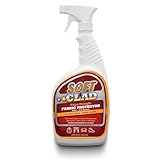
For the best results, consider using a specialized sleeping bag cleaner. This ensures your bag’s delicate materials are protected while getting a thorough clean.
- Washing Machine Type: Top-loaders with agitators are a no-go for most sleeping bags. That central pole can rip seams and deform the bag. A front-loader or a top-loader without an agitator is what you want. If you don’t have one, a laundromat is your friend.
If you’re in the market for a new appliance, a front-load washing machine is ideal for washing sleeping bags and other bulky items without damage.

- Drying Strategy: This is as crucial as the washing. Heat is your friend, but too much is a disaster. Low heat is key, and dryer balls (tennis balls work too) are essential for fluffing up the insulation and preventing clumps.
To help fluff up your sleeping bag and prevent clumping during drying, wool dryer balls are an excellent, eco-friendly choice.

Step-by-step (field workflow)
Alright, let’s get this done right. Think of this as prepping your gear for its next adventure.
1. Inspect the Bag:
- What to do: Look for rips, loose seams, or stubborn stains. Mend any damage before washing.
- What “good” looks like: A bag that’s structurally sound, with no obvious tears.
- Common mistake: Washing a bag with a tear.
- How to avoid it: A quick once-over can save you a bigger repair job later.
2. Check the Care Tag:
- What to do: Locate and read the washing instructions.
- What “good” looks like: You know if it’s machine washable, hand wash only, or needs a specific cleaner.
- Common mistake: Assuming all bags are the same.
- How to avoid it: This is the first rule of sleeping bag care. Don’t skip it.
3. Pre-treat Stains (If Necessary):
- What to do: Gently spot-clean stubborn dirt or grime with a damp cloth and a tiny bit of mild soap.
- What “good” looks like: Stains are visibly reduced or gone.
- Common mistake: Scrubbing too hard.
- How to avoid it: Gentle dabbing is more effective and less damaging.
4. Load the Washer (Front-loader):
- What to do: Place the bag loosely in the drum. Don’t cram it in.
- What “good” looks like: The bag fits comfortably, with room to move.
- Common mistake: Overstuffing the machine.
- How to avoid it: A packed machine won’t clean effectively and puts stress on the bag.
5. Add Detergent:
- What to do: Use a small amount of specialized sleeping bag wash or mild, unscented soap.
- What “good” looks like: Just enough cleaner to get the job done, no excess suds.
- Common mistake: Using too much detergent.
- How to avoid it: More soap doesn’t mean cleaner; it just means more rinsing.
When adding detergent, a specialized sleeping bag cleaner is highly recommended to protect the insulation and fabric of your bag.
6. Select Wash Cycle:
- What to do: Choose a gentle or delicate cycle with cool or lukewarm water.
- What “good” looks like: The machine is set to a low-impact wash.
- Common mistake: Using hot water or a heavy-duty cycle.
- How to avoid it: Heat and agitation can damage insulation and fabric.
7. Rinse Thoroughly:
- What to do: Run an extra rinse cycle. You want all the soap out.
- What “good” looks like: No suds visible when you squeeze the bag.
- Common mistake: Insufficient rinsing.
- How to avoid it: Leftover soap attracts dirt and reduces loft.
8. Remove from Washer:
- What to do: Gently lift the bag out. It will be heavy and waterlogged. Support its weight.
- What “good” looks like: The bag is handled carefully, avoiding stretching.
- Common mistake: Yanking the bag out.
- How to avoid it: Support the wet weight to prevent seams from pulling apart.
9. Transfer to Dryer:
- What to do: Place the bag in a large-capacity dryer. Add 2–3 dryer balls or clean tennis balls.
- What “good” looks like: The bag has plenty of room to tumble.
- Common mistake: Using a dryer that’s too small.
- How to avoid it: The balls need space to bounce and break up clumps.
Don’t forget to add a few wool dryer balls to the dryer; they’re essential for breaking up clumps and restoring your bag’s loft.
10. Dry on Low Heat:
- What to do: Set the dryer to the lowest heat setting. Tumble for 30–60 minutes at a time.
- What “good” looks like: The bag is warm but not hot to the touch.
- Common mistake: Using high heat.
- How to avoid it: High heat melts synthetic fibers and damages down.
11. Check and Fluff:
- What to do: Periodically remove the bag, shake it out, and feel for damp spots or clumps. Break up any clumps by hand.
- What “good” looks like: The insulation is evenly distributed and feels dry.
- Common mistake: Not checking frequently enough.
- How to avoid it: Patience is key. You might need several drying cycles.
12. Air Dry Completely:
- What to do: Once the dryer cycle is done, hang the bag in a well-ventilated area for another 24–48 hours.
- What “good” looks like: The bag feels absolutely bone dry and smells fresh.
- Common mistake: Storing a bag that’s even slightly damp.
- How to avoid it: Dampness leads to mildew and reduces insulation effectiveness.
Common mistakes (and what happens if you ignore them)
| Mistake | What it causes | Fix |
|---|---|---|
| Using a top-loader with agitator | Ripped seams, deformed bag, damaged insulation | Use a front-loader, laundromat, or hand wash. |
| Using harsh detergent | Stripped oils from down, damaged synthetic fibers | Use specialized bag wash or very mild, unscented soap. |
| Using fabric softener | Reduced loft, attracts dirt, damages fibers | Never use fabric softener. |
| Overstuffing the washing machine | Poor cleaning, stress on seams, uneven washing | Wash one bag at a time in a large-capacity machine. |
| Using hot water | Damaged insulation, shrunk fabric | Use cool or lukewarm water on a gentle cycle. |
| Not rinsing thoroughly | Soap residue, attracts dirt, reduced loft | Run an extra rinse cycle until no suds are visible. |
| Using high heat in the dryer | Melted synthetic fibers, damaged down | Always use the lowest heat setting. |
| Storing a damp bag | Mildew growth, reduced loft, bad smell | Air dry completely for 24-48 hours after machine drying. |
| Washing a bag with damage | Tears get bigger, seams pull apart | Inspect and repair all damage <em>before</em> washing. |
| Forgetting the care tag | Incorrect washing method, potential damage | Always check the manufacturer’s instructions first. |
| Not using dryer balls | Clumped insulation, uneven drying | Use dryer balls or tennis balls to help fluff and separate insulation. |
Decision rules (simple if/then)
- If your bag smells funky, then wash it because that means trapped body oils and sweat are breaking down the insulation.
- If your bag doesn’t feel as warm as it used to, then wash it because compressed or dirty insulation loses its loft.
- If the care tag says “Dry Clean Only,” then take it to a professional cleaner experienced with outdoor gear because DIY dry cleaning is tricky and can ruin it.
- If you have a down bag, then consider hand washing because it gives you more control and is gentler on the delicate feathers.
- If you have a synthetic bag, then machine washing in a front-loader is usually fine because synthetics are more durable.
- If you’re unsure about your washing machine, then use a laundromat because their front-loaders are usually reliable for gear.
- If you see clumps of insulation after drying, then keep tumbling on low heat and fluffing by hand because that means the insulation isn’t fully dry or separated.
- If you use a regular soap instead of specialized wash, then make sure it’s unscented and mild because strong fragrances or chemicals can damage the bag.
- If you spill something greasy on your bag, then spot treat it before washing because grease is hard to get out once it’s set in.
- If your bag is brand new and just smells a bit “new,” then airing it out is probably sufficient because it doesn’t have accumulated dirt or oils yet.
FAQ
How often should I wash my sleeping bag?
Wash it when it starts to smell or you notice a significant drop in its loft and warmth. For most campers, this might be once a year or even less, depending on usage and how much you sweat.
Can I just throw my sleeping bag in the washing machine?
Maybe. Always check the care tag. Most synthetic bags can go in a front-load washer, but down bags and older bags might require hand washing or professional cleaning.
What kind of detergent should I use?
Use a specialized sleeping bag wash. If you can’t find that, a very mild, unscented liquid soap is the next best option for synthetics. Never use fabric softener.
My down bag looks clumpy after washing, what happened?
Down clumps when it’s wet. It needs gentle washing and thorough drying with agitation (like dryer balls) to re-fluff. If it’s still clumpy after drying, it might not be completely dry or the down is damaged.
How do I dry my sleeping bag?
The best method is low heat in a large-capacity dryer with dryer balls or tennis balls. Follow up with air drying for at least 24 hours to ensure it’s completely dry.
What if my washing machine doesn’t have a gentle cycle?
You’ll need to find a laundromat with a front-loading machine or hand wash your sleeping bag. Top-loaders with agitators can damage the bag.
How can I tell if my sleeping bag is fully dry?
It should feel completely dry to the touch, have no damp spots, and smell fresh. If you squeeze it, no moisture should come out. Give it another 24 hours of air drying just to be sure.
Will washing my sleeping bag ruin the waterproofing?
It can reduce it over time. Some specialized washes are designed to be compatible with DWR (Durable Water Repellent) coatings. You may need to reapply a DWR treatment after washing and drying if performance decreases.
What this page does NOT cover (and where to go next)
- Specific repair techniques for tears or zipper issues.
- Detailed explanations of DWR treatments and reapplication.
- Choosing the right sleeping bag for your needs.
- Long-term storage best practices.
- Deep cleaning for heavily soiled or mold-damaged bags (consider professional help).

Camping Bob has spent over 20 years camping across the US — from BLM dispersed sites in the Southwest to KOA campgrounds in the Pacific Northwest. He writes practical, no-nonsense guides to help fellow campers get outdoors with confidence.