
How Much Does a Camp Host Make Annually?
Quick answer
- Camp host pay varies wildly, from volunteer-only gigs to modest hourly wages.
- Most camp hosts earn between $0 and $2,000 per month, often supplemented by free camping.
- Pay depends heavily on the managing agency (NPS, USFS, BLM, state parks, private) and the specific campground.
- Some roles are purely volunteer, offering only a place to park your rig.
- Expect to work hard. It’s not just sitting around watching the sunset.
- Factor in the value of free camping; it can significantly offset expenses.
What to check first (do this before you drive out)
Before you even think about packing up the truck, get a handle on the basics. This isn’t just about showing up and taking a spot.
- Land manager / legality: Who’s actually in charge of the campground? Is it the National Park Service, Forest Service, Bureau of Land Management, a state park system, or a private outfit? This dictates the rules, the pay structure, and often the type of work involved. Knowing this upfront saves a ton of confusion.
- Access/road conditions: Can your rig actually get there? Some camp host spots are right off a paved highway. Others? You might be looking at gravel roads, washboard sections, or even trails that demand 4WD and good clearance. Don’t assume anything. Look at maps, read reviews, and if possible, ask current or past hosts. I once got stuck on a muddy logging road for three hours trying to reach a remote site – lesson learned.
- Fire restrictions + weather + wind: This is crucial for safety and for your job. Are campfires allowed? Are there burn bans? What’s the typical weather for the season? High winds can be a serious issue in exposed campgrounds. Be prepared for everything.
- Water plan + waste plan (Leave No Trace): How will you get potable water? Is there a spigot, or do you need to haul it in? What’s the deal with trash and human waste? Most camp host jobs expect you to follow Leave No Trace principles rigorously, which means packing out what you pack in, including all trash. Some sites have dumpsters, others don’t.
When planning your water strategy, consider a durable collapsible water container for easy transport and storage, especially if spigots are scarce.

- Safety (wildlife, distance to help, comms): What kind of wildlife are you dealing with? Bears, mountain lions, venomous snakes? Know the local risks. How far is the nearest town or medical facility? Cell service can be spotty or non-existent in many campgrounds. Have a plan for emergencies.
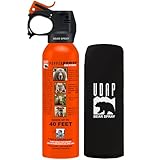
If you’re in bear country, carrying bear spray is a crucial safety measure for personal protection.
Always prioritize safety; a comprehensive camping first aid kit is essential for handling minor injuries or emergencies in remote locations.

Step-by-step (field workflow)
So, you’ve landed a camp host gig. Here’s the general flow of how it usually goes down.
1. Confirm details and arrival: Lock in your start date, end date, and arrival instructions.
- Good: You have a clear understanding of when and where to show up, and who to contact.
- Mistake: Showing up a week early or late, or not knowing who to check in with. Always confirm.
2. Travel to the campground: Get yourself and your rig to the designated spot.
- Good: Arriving safely and on time, prepared for the road conditions.
- Mistake: Getting lost or stuck due to underestimating the drive. Pre-plan your route.
3. Check in with the land manager: Report to the ranger station or designated contact person.
- Good: A friendly introduction and a clear handover of duties and responsibilities.
- Mistake: Assuming you know everything and skipping the official check-in. This can lead to misunderstandings.
4. Inspect your assigned campsite/living quarters: See where you’ll be staying.
- Good: The site is clean, functional, and meets expectations. You know how utilities work.
- Mistake: Not flagging any immediate issues (e.g., broken water hookup, damaged picnic table) right away.
5. Understand your duties: Get the full rundown of tasks.
- Good: You know what’s expected daily, weekly, and during peak times.
- Mistake: Vague understanding of duties, leading to tasks being missed or done incorrectly. Ask for a written list if possible.
6. Set up your living space: Get your RV or tent settled.
- Good: You’re comfortably set up and ready to be visible to campers.
- Mistake: Poor setup that makes you inaccessible or looks unprofessional.
7. Begin visitor interaction: Greet campers, answer questions, and provide information.
- Good: Welcoming presence, helpful attitude, and accurate information.
- Mistake: Being unapproachable or giving incorrect advice. You’re the face of the campground.
8. Perform routine tasks: This could include trash collection, light cleaning, minor maintenance, or checking on facilities.
- Good: Tasks are completed efficiently and thoroughly.
- Mistake: Letting routine tasks slide, which impacts the camper experience and campground appearance.
9. Monitor campground activity: Keep an eye out for rule violations, safety issues, or problems.
- Good: Proactive observation and timely intervention or reporting.
- Mistake: Ignoring potential problems until they escalate.
10. Report issues to the land manager: Communicate any significant problems or observations.
- Good: Clear, concise reporting of incidents or needs.
- Mistake: Trying to fix major problems yourself or not reporting them at all.
11. Maintain your living space and work area: Keep things tidy.
- Good: Your personal space and any work areas are clean and organized.
- Mistake: Letting your living space become a mess, which reflects poorly on the program.
12. Prepare for departure: Clean your site and hand over any necessary information.
- Good: Leaving the site clean and providing a smooth transition for the next host.
- Mistake: Leaving a mess or not debriefing properly.
Common mistakes (and what happens if you ignore them)
| Mistake | What it causes | Fix |
|---|---|---|
| Not clarifying pay/perks upfront | Unexpectedly low earnings, feeling short-changed. | Get everything in writing before you commit. |
| Underestimating physical demands | Burnout, inability to complete tasks, injury. | Be realistic about your fitness and the workload. |
| Ignoring Leave No Trace principles | Environmental damage, negative impact on reputation, potential job loss. | Always pack it in, pack it out. Educate campers. |
| Poor communication with land manager | Misunderstandings, tasks missed, problems unaddressed. | Regular check-ins, clear reporting. |
| Being unapproachable or unfriendly | Negative camper experiences, complaints, difficulty enforcing rules. | Smile, make eye contact, be helpful. |
| Failing to report safety hazards | Accidents, injuries, potential legal liability for the agency. | Report anything that looks unsafe immediately. |
| Not having a reliable vehicle/rig | Inability to reach the site, getting stuck, inability to move. | Ensure your vehicle and RV are in top condition for rough roads. |
| Neglecting personal hygiene/appearance | Unprofessional look, campers feeling uncomfortable. | Maintain a clean and tidy appearance, even in the backcountry. |
| Trying to be the “campground police” | Alienating campers, creating conflict, overstepping authority. | Enforce rules politely but firmly; report serious issues to rangers. |
| Not having backup communication | Inability to call for help in an emergency. | Carry a satellite messenger or two-way radio if cell service is absent. |
| Assuming free camping is “pay” | Miscalculating true income, financial strain if expenses are high. | Understand the monetary value vs. actual cash earned. |
| Not having a solid exit plan | Lingering too long, inability to move your rig, conflict with next host. | Stick to your agreed-upon end date. |
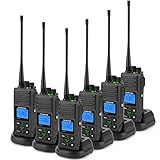
For reliable communication where cell service is absent, a pair of two-way radios can be invaluable for staying connected with others or calling for help.
Decision rules (simple if/then)
- If you are looking for significant cash, then focus on private campgrounds or roles with explicit hourly wages because public land roles often prioritize the free camping perk.
- If you have a large, heavy RV, then ensure the campground access roads are suitable because many remote sites are not designed for big rigs.
- If you are uncomfortable with manual labor, then reconsider camp hosting because many roles involve cleaning, trash duty, and light maintenance.
- If you need consistent cell service for work or personal reasons, then verify service availability before accepting a position because many campgrounds are in remote areas with no signal.
- If you are prone to conflict, then camp hosting might not be for you because you will inevitably deal with rule-breakers and unhappy campers.
- If you are applying for a National Park or Forest Service role, then expect the application process to be competitive and potentially lengthy because these are highly sought-after positions.
- If you are offered a position that sounds too good to be true (e.g., very high pay with minimal duties), then be skeptical because scams can exist.
- If you are not prepared for variable weather, then research the typical conditions for the season and location because you’ll be living outdoors.
- If you are expecting a steady paycheck like a traditional job, then adjust your expectations because camp host pay is often modest and supplemented by non-monetary benefits.
- If you have pets, then confirm the campground’s pet policy for hosts because some sites have restrictions.
- If you are a solo host, then ensure you have a robust safety plan because you may be isolated.
FAQ
How much do camp hosts get paid?
Pay varies hugely. Some are volunteers, while others earn $10-$20 per hour. Most fall somewhere in between, often receiving a stipend plus free camping.
Is camp hosting a good way to make money?
It’s generally not a primary income source. The value is in the free camping and the lifestyle, not a big paycheck. Think of it more as a way to offset travel costs.
What are the typical duties of a camp host?
Duties can include greeting campers, answering questions, collecting trash, cleaning restrooms, light maintenance, enforcing campground rules, and reporting issues.
Do camp hosts get free campsites?
Yes, free camping is almost always part of the compensation package, often for your RV or vehicle. This is a major perk.
How do I find camp host jobs?
Look on agency websites like Recreation.gov (for federal lands), state park job boards, and private campground networks. Volunteer matching sites are also good.
What kind of person makes a good camp host?
Someone friendly, responsible, self-sufficient, good with people, enjoys the outdoors, and isn’t afraid of a little hard work.
Can I bring my pets to camp host?
Usually, yes, but always check the specific campground’s policy for hosts. Some may have restrictions on the number or type of pets.
How long are camp host assignments?
Assignments can range from a few weeks to several months, often covering peak seasons. Some hosts work year-round by moving between locations.
What this page does NOT cover (and where to go next)
- Specific campground application procedures and deadlines. (Check the official agency or campground website.)
- Detailed breakdowns of pay scales for every agency or private campground. (This requires direct research for specific openings.)
- Legal liabilities and insurance requirements for camp hosts. (Consult with the hiring entity and consider personal liability insurance.)
- Advanced RV maintenance or repair skills. (Look for RV-specific forums and repair guides.)
- Detailed Leave No Trace training modules. (The LNT Center for Outdoor Ethics is the authority.)

Camping Bob has spent over 20 years camping across the US — from BLM dispersed sites in the Southwest to KOA campgrounds in the Pacific Northwest. He writes practical, no-nonsense guides to help fellow campers get outdoors with confidence.