
How to Properly Open and Use Your CamelBak
Quick answer
- Fill it up. Simple as that.
- Keep the hose clean. Seriously.
- Drink when you’re thirsty. Duh.
- Pack it right. Don’t crush it.
- Know your settings. Adjust as needed.
- Close it tight. No leaks.
What to check first (do this before you drive out)
Before you even think about hitting the trail with your hydration pack, give it a once-over. A little prep saves a lot of headache out there.
- Land manager / legality: Who’s in charge of this patch of dirt? Is it National Forest, BLM, State Park? They all have their own quirks and rules. Know them. It’s about respecting the place and avoiding a ticket.
- Access/road conditions: Is that trailhead road a paved highway or a boulder garden? Your rig needs to match. Don’t get stuck miles from nowhere because you didn’t check. A little research goes a long way.
- Fire restrictions + weather + wind: This is non-negotiable. Check the local fire danger. High winds? Forget about that campfire, and maybe rethink that exposed ridge hike. Weather can turn fast in the backcountry. Be ready.
- Water plan + waste plan (Leave No Trace): Where are you getting water? Is it a reliable source, or do you need to filter/treat everything? Pack it in, pack it out. All of it. Trash, food scraps, everything. Leave it cleaner than you found it.
- Safety (wildlife, distance to help, comms): Know what critters are around. Be bear aware. How far is the nearest ranger station or cell signal? Carry a satellite messenger if you’re going deep. Don’t be a hero.
Step-by-step (field workflow)
Alright, let’s get this thing dialed in. It’s not rocket science, but doing it right makes all the difference.
1. Inspect the reservoir: Give it a good once-over. Any cracks, leaks, or weird smells?
- What “good” looks like: Clean, intact, no lingering odors. Smells like fresh water, or maybe just that new plastic scent.
- Common mistake: Not checking for tiny leaks or pinholes that can drain your pack slowly. Always give it a squeeze before filling it completely.
2. Open the reservoir: Most have a simple slide or a screw-top.
- What “good” looks like: The opening is fully accessible and easy to manipulate. No wrestling match required.
- Common mistake: Forcing a stubborn cap or sliding mechanism. This can break it or cause a weak seal later. Gently work it.
3. Fill with water: Use a clean source.
- What “good” looks like: Water is clear, free of debris, and tastes good.
- Common mistake: Filling from a questionable source without treating it. Giardia is not a fun souvenir.
4. Close the reservoir: Securely seal the opening.
- What “good” looks like: A tight seal that won’t leak when inverted or squeezed. The slide is fully engaged, or the cap is screwed down firmly.
- Common mistake: Not closing it all the way. This is how you end up with a soaked backpack and a parched throat. Double-check.
5. Attach the hose: Connect the drinking tube to the reservoir port.
- What “good” looks like: A firm, secure connection that doesn’t wiggle or drip.
- Common mistake: Not pushing the hose on far enough. It can pop off mid-hike.
6. Route the hose: Clip it to your pack straps so it’s within easy reach.
- What “good” looks like: The hose is accessible for drinking without fumbling, but not so loose it snags on branches.
- Common mistake: Letting the hose dangle. It’s an invitation for dirt, bugs, or getting caught on something.
7. Prime the bite valve: Suck a few times to get water flowing and clear out any air.
- What “good” looks like: Water flows smoothly when you bite down. No sputtering or air pockets.
- Common mistake: Not priming. You’ll spend your first few sips just trying to get water, which is annoying.
8. Adjust the bite valve lock: If your valve has a lock, make sure it’s in the “open” position for drinking.
- What “good” looks like: You can easily get water by biting.
- Common mistake: Forgetting to unlock it. You’ll be biting down hard for nothing.
9. Pack the reservoir in your bag: Slide it into its designated sleeve.
- What “good” looks like: It fits snugly without being overstuffed or bulging awkwardly.
- Common mistake: Stuffing too much gear around it, potentially damaging the reservoir or making it hard to access.
10. Drink regularly: Don’t wait until you’re bone dry.
- What “good” looks like: You feel hydrated and energized throughout your activity.
- Common mistake: Forgetting to drink. Dehydration sneaks up on you.
Common mistakes (and what happens if you ignore them)
| Mistake | What it causes | Fix |
|---|---|---|
| Not cleaning the reservoir regularly | Mold, mildew, funky taste, potential health issues | Rinse after every use, deep clean periodically with appropriate solutions, and air dry completely. |
| Overfilling the reservoir | Spills, makes it hard to fit in the pack, puts stress on the seams | Fill to the recommended line, leave a little headspace. |
| Forcing a stubborn seal or cap | Damaged threads, weak seal, leaks, broken plastic | Be gentle, check for obstructions, and replace if damaged. |
| Not securing the hose | Hose can snag on branches, get dirty, or disconnect | Use the provided clips and keep the bite valve covered when not in use. |
| Drinking only when extremely thirsty | Dehydration, heat exhaustion, poor performance, bad decisions | Sip frequently, even when you don’t feel thirsty. |
| Using the wrong cleaning solution | Can damage the reservoir material or leave residues | Use mild soap and water or specialized cleaning tablets. Avoid harsh chemicals. |
| Storing with the cap wet or unsealed | Mold and mildew growth | Always ensure it’s completely dry and aired out before storing. |
| Biting down too hard on the bite valve | Can damage the valve, make it harder to get water, or cause leaks | A gentle bite is all that’s needed to open the flow. |
| Not checking the bite valve lock | Inability to drink water, frustration | Always ensure the valve is unlocked before you try to drink. |
| Ignoring a slow leak | Gradual loss of water, wet pack, potential damage to gear inside the pack | Inspect for damage and repair or replace the reservoir if a leak is found. |
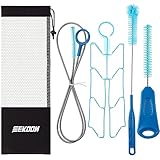
To avoid mold and mildew, make sure to clean your reservoir regularly. A good hydration bladder cleaning kit can make this task much easier and more effective.
Decision rules (simple if/then)
- If the reservoir smells funky, then clean it thoroughly because funk means growth.
- If the reservoir feels puffy or swollen, then check for leaks or damage because it might be compromised.
- If you’re going on a long hike, then fill the reservoir completely because you don’t want to run out of water.
- If the trail is rough or you’re prone to dropping things, then lock your bite valve when not drinking because you’ll avoid accidental spills.
- If you’re using a new reservoir, then do a test fill and squeeze at home because you want to catch any manufacturing defects early.
- If the water source looks questionable, then use a filter or purification tablets because bad water is worse than no water.
- If you’re packing it in a shared bag, then put the reservoir in a dry bag or its own compartment because you don’t want to soak someone else’s sleeping bag.
- If the outside temperature is freezing, then take precautions to prevent the hose or bite valve from freezing because frozen water is useless water.
- If you’re storing it for a long time, then make sure it’s completely dry and the cap is off because moisture equals mold.
- If you get a new bite valve, then give it a good rinse before first use because you don’t know what’s been on it.
- If you’re unsure about the reservoir’s capacity, then check the markings on the side because they’re there for a reason.
FAQ
How often should I clean my CamelBak reservoir?
Rinse it after every use. A more thorough cleaning with soap and water, or specialized cleaning tablets, is recommended every few weeks or if you notice any buildup or smell.
For a thorough clean, consider using a dedicated hydration bladder cleaning kit. These kits often include brushes and cleaning tablets designed to reach every corner and eliminate odors effectively.
Can I put anything other than water in my CamelBak?
It’s best to stick to water. Electrolyte mixes are generally okay, but sugary drinks or anything acidic can be harder to clean and may promote bacterial growth.
What’s the best way to dry my CamelBak reservoir?
Air dry it completely. Hang it upside down, open, and allow air to circulate inside. Some people use a reservoir hanger or prop it open with a clean towel.
My bite valve is leaking, what do I do?
Check that the lock is fully engaged. If it’s still leaking, the valve might be worn out and needs replacement. Many brands sell replacement parts.
How do I prevent my CamelBak hose from freezing?
Keep the hose close to your body, inside your jacket if possible. Blow excess water back into the reservoir after drinking. Insulated hoses can also help.
Is it safe to put hot water in my CamelBak?
Most reservoirs are not designed for hot liquids. Check the manufacturer’s recommendations, but generally, stick to cool or lukewarm water to avoid damaging the material or causing leaks.
My CamelBak tastes like plastic, how do I fix it?
A thorough cleaning with a baking soda and water solution or a specialized cleaner can help. Sometimes, repeated use and cleaning will make the taste go away.
If your CamelBak has a plastic taste, a thorough cleaning with a specialized hydration bladder cleaning kit can often help eliminate it.
How do I know if my CamelBak is leaking?
Check for dampness on the outside of the reservoir or around the hose connection. You might also notice a gradual decrease in the water level.
What this page does NOT cover (and where to go next)
- Specific troubleshooting for every single model of hydration pack. (Check your manufacturer’s website.)
- Detailed repair guides for complex damage. (Sometimes it’s cheaper to replace.)
- The physics of fluid dynamics and why hydration is crucial. (Just drink water, dude.)
- Advanced backcountry survival techniques that rely solely on hydration. (This is a tool, not a magic wand.)
- Brand-specific cleaning kits or accessories. (Go explore your favorite outdoor gear shop.)

Camping Bob has spent over 20 years camping across the US — from BLM dispersed sites in the Southwest to KOA campgrounds in the Pacific Northwest. He writes practical, no-nonsense guides to help fellow campers get outdoors with confidence.