
How to Get A Lighter To Work Again: Step-by-Step Guide
Quick answer
- Clean out the fuel chamber.
- Check and refill the fuel if needed.
- Inspect and clean the spark mechanism.
- Test in a controlled environment.
- Consider replacing the flint if it’s worn.
- Know when it’s time for a new lighter.
What to check first (do this before you drive out)
Before you head out, give your trusty lighter a once-over. Don’t get caught in the dark with a dud.
- Fuel Level: Is there enough liquid fuel inside? Most lighters have a clear window or you can tell by weight. Running out of fuel is the most common reason a lighter won’t light.
- Flint Condition: Is the flint worn down to a nub? A good spark is key. If it looks flat or uneven, it might be the culprit.
- Spark Wheel/Igniter: Is the wheel gritty or jammed? Sometimes lint or debris can get in there and stop it from spinning freely.
- Wind Shielding: Even a good lighter can struggle in a strong breeze. Think about how you’ll shield it.
- Backup Plan: Always have a backup. A waterproof match kit or a ferro rod is smart.
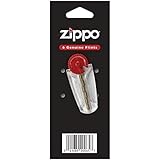
If your flint looks flat or uneven, it might be the culprit. Consider keeping a pack of Zippo replacement flints on hand for quick fixes.
Step-by-step (field workflow)
Let’s get that lighter sparking again.
1. Assess the Situation: Hold the lighter. Does it feel light? Does the wheel spin freely? A quick visual inspection is your first move.
- Good: Feels substantial, wheel turns with a little resistance.
- Mistake: Feels super light, wheel is stuck. Don’t force it; you might break something.
2. Check Fuel Window (if applicable): Look for the fuel level. If it’s empty or very low, you’ve found your problem.
- Good: You can see fuel in the window, or it feels heavy enough.
- Mistake: Window is bone dry. You’ll need to refuel.
3. Clean the Spark Wheel Area: Use a small brush (like an old toothbrush or a dedicated cleaning brush) to gently scrub around the spark wheel. Lint and gunk are the enemy here.
- Good: The wheel spins easily after a gentle cleaning.
- Mistake: Jamming a sharp object in there and damaging the mechanism. Be gentle.
4. Inspect the Flint: If the flint looks worn, chipped, or is barely there, it needs attention.
- Good: You see a decent amount of flint sticking up, ready to be ground.
- Mistake: The flint is just a tiny sliver or completely gone.
5. Replace the Flint (if needed): Most lighters have a way to unscrew a cap and remove the old flint. Pop in a new one.
- Good: New flint is seated properly and ready to spark.
- Mistake: Forcing the new flint in, or using the wrong size.
6. Refuel (if needed): If the fuel level was low, use a proper lighter fluid. Hold the can nozzle firmly against the refill valve and fill until fuel is visible or it feels heavy.
- Good: You can see fuel in the window or the lighter feels full.
- Mistake: Overfilling, which can cause leaks and a fire hazard. Let it settle for a minute.
7. Prime the Wick: After refueling, let the lighter sit for a minute or two to let the fuel soak into the wick. This is crucial.
- Good: The wick is saturated with fuel.
- Mistake: Trying to light it immediately after refueling. You’ll just get a weak sputter.
8. Test Spark: Flick the wheel. You should get a strong spark.
- Good: A consistent, bright spark.
- Mistake: A weak, intermittent spark, or no spark at all.
9. Attempt to Light: With a good spark, try to light it. Shield it from wind.
- Good: A steady flame appears.
- Mistake: It flickers out immediately or won’t catch. Double-check fuel and wick saturation.
10. Troubleshoot Further: If it still won’t light, repeat steps 3-7. Sometimes a bit of fiddling is needed.
- Good: You get a reliable flame.
- Mistake: Giving up too soon without trying a second time.
If the flint looks worn, chipped, or is barely there, it needs attention. Replacing it with quality Zippo replacement flints can often solve the issue.
Common mistakes (and what happens if you ignore them)
| Mistake | What it causes | Fix |
|---|---|---|
| Not checking fuel level | Lighter won’t light, frustrating delays | Always check fuel before heading out; refill as needed. |
| Ignoring a worn-down flint | Weak or no spark, impossible to light | Replace the flint when it’s low or uneven. |
| Not cleaning the spark wheel | Wheel jams, no spark | Gently clean debris from around the spark wheel regularly. |
| Overfilling with fuel | Leaks, fire hazard, fuel smell | Fill carefully; let excess evaporate before closing cap. |
| Not letting the wick saturate | Weak flame, sputtering, won’t stay lit | Wait a few minutes after refueling before attempting to light. |
| Using the wrong type of fuel | Damage to lighter, poor performance | Use only approved lighter fluid for your specific lighter type. |
| Forcing a stuck wheel or cap | Broken parts, permanent damage | Be gentle; if it’s stuck, try a little cleaner or gentle wiggling. |
| Not having a backup | Stranded without fire in critical situations | Always carry waterproof matches or a ferro rod as a backup. |
| Trying to light in strong wind | Flame blows out, wasted fuel, frustration | Shield the lighter with your body or a windbreak. |
| Assuming a lighter is “dead” too soon | Throwing away a perfectly fixable lighter | Try the basic cleaning and refueling steps first. |
Ignoring a worn-down flint leads to a weak or no spark. Always replace the flint when it’s low or uneven; a pack of Zippo replacement flints is a smart addition to your lighter kit.
Decision rules (simple if/then)
- If the lighter feels light, then refuel it because it’s likely out of fluid.
- If the spark wheel is gritty, then clean it gently because debris prevents sparking.
- If the spark is weak, then check and replace the flint because a worn flint won’t generate enough spark.
- If the lighter sparks but won’t light, then let the wick saturate longer because it might not have absorbed enough fuel.
- If the lighter leaks fuel, then don’t use it until fixed because it’s a fire hazard.
- If the lighter has been dropped or banged up, then inspect it for cracks or damage before attempting to use it.
- If it’s a disposable lighter and won’t spark after basic cleaning, then it’s probably time for a new one because repairs are often not feasible.
- If you’re in a damp environment, then ensure your lighter is waterproof or stored in a waterproof container because moisture can affect performance.
- If the flame is uneven or sputtering, then check the wick’s condition and ensure it’s properly seated.
- If you’ve tried everything and it still won’t work, then accept it’s time to retire it and grab a fresh one.
FAQ
My lighter just won’t spark. What’s the first thing I should do?
Check the spark wheel for any obvious debris like lint or dirt. Gently clean around it with a small brush. If that doesn’t work, inspect the flint.
How often should I refill my lighter?
This depends entirely on how often you use it. Check the fuel level visually or by weight periodically, especially before a trip.
Can I use any fuel for my lighter?
No, you should only use the specific lighter fluid designed for your type of refillable lighter. Using the wrong fuel can damage the lighter or lead to poor performance.
What if my lighter sparks but the flame dies immediately?
This usually means the wick isn’t saturated enough with fuel. Let the lighter sit for a few minutes after refueling to allow the fuel to soak in properly.
My lighter is old. Does that matter?
Older lighters might require more maintenance, like cleaning or flint replacement. However, many classic lighters are built to last and can be revived with a little care.
Is it safe to try and fix a leaking lighter?
No. If your lighter is leaking fuel, it’s a fire hazard. Stop using it immediately and consider replacing it.
What’s the deal with the flint?
The flint is a small piece of material that, when struck by the spark wheel, creates a spark to ignite the fuel-soaked wick. They wear down over time and need replacement.
I have a butane torch lighter, and it’s not working. What’s different?
Butane lighters require a specific butane fuel canister. Ensure you’re using the correct fuel and that the fill valve isn’t blocked. They also have a different ignition mechanism than standard fluid lighters.
What this page does NOT cover (and where to go next)
- Detailed repair guides for specific premium lighter brands (check manufacturer websites).
- The science behind combustion and fuel types (look up chemistry basics).
- Advanced waterproofing techniques for extreme conditions (research specialized gear guides).
- Legalities surrounding carrying lighters in certain areas (check local regulations).

Camping Bob has spent over 20 years camping across the US — from BLM dispersed sites in the Southwest to KOA campgrounds in the Pacific Northwest. He writes practical, no-nonsense guides to help fellow campers get outdoors with confidence.