
How Long Does A Lifestraw Water Filter Last?
Quick answer
- Lifestraw filters are rated for 1,000 liters (about 264 gallons) of water.
- That’s a lot of water, enough for one person for several years of regular use.
- It’s not about time, it’s about volume. Once you hit that mark, it’s done.
- Proper maintenance is key to getting the most out of your filter.
- Always have a backup, no matter how reliable your Lifestraw seems.
- Check the flow rate – a significant drop means it’s nearing its end.
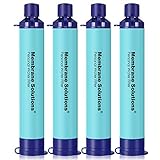
For reliable personal hydration on the go, consider the LifeStraw personal water filter, a compact and effective solution for clean drinking water.
What to check first (do this before you drive out)
Before you head into the backcountry with your Lifestraw, a little prep goes a long way. Don’t be that person who shows up unprepared.
- Land manager / legality: Know who manages the land you’re on. Is it National Forest, BLM, a State Park? This matters for regulations. Some areas might have specific rules about water sources or collecting water. A quick look at the agency’s website is usually all it takes.
- Access/road conditions: Is the road to your trailhead washed out? Is it 2WD friendly or do you need AWD/4×4? Mud, snow, or rough terrain can turn a quick trip into a major headache. Check recent conditions if you can, or just be ready to hike further if the road’s rough.
- Fire restrictions + weather + wind: Obvious for camping, but also impacts your water. Extreme heat means you’ll drink more, using up your filter’s capacity faster. High winds can make collecting water difficult and dangerous. Always check the forecast and current fire bans.
- Water plan + waste plan (Leave No Trace): Where are you getting your water? Are there reliable sources? Plan your routes around them. And remember LNT: pack out everything you pack in. This includes used filter cartridges if applicable, and treating your wastewater away from water sources.
When planning your water strategy, having a reliable backpacking water filter is crucial for ensuring safe hydration throughout your trip.

- Safety (wildlife, distance to help, comms): Know the local wildlife. Bears? Snakes? Be aware. How far are you from the nearest ranger station or town? Do you have cell service? A satellite messenger is a good idea for serious backcountry trips. Your Lifestraw is for water, not for getting you out of a jam.
Step-by-step (field workflow)
Using your Lifestraw in the field is straightforward, but doing it right maximizes its life.
1. Identify your water source: Find a clear-looking stream or lake.
- Good looks like: A flowing source with minimal visible sediment or algae.
- Common mistake: Trying to filter stagnant, murky water. This clogs your filter fast and might not get everything.
- Avoid it by: Moving upstream to a clearer spot or pre-filtering through a bandana if you must.
2. Assemble your Lifestraw: If it’s a straw-style, just make sure it’s clean. If it’s a bottle or bag system, follow the instructions.
- Good looks like: A secure, leak-free setup.
- Common mistake: Not screwing components together tightly, leading to leaks and wasted effort.
- Avoid it by: Giving everything a firm twist until it feels snug.
3. Position for intake: Place the intake end of your Lifestraw into the water.
- Good looks like: The intake is submerged, not sucking air or mud from the bottom.
- Common mistake: Dragging the intake across the streambed, stirring up sediment.
- Avoid it by: Holding the intake steady in the water column or securing it with a rock.
4. Begin to draw water: For straw models, you suck directly. For bottle/bag systems, you squeeze or pump.
- Good looks like: A steady stream of water coming through.
- Common mistake: Gulping too hard or fast, which can create a vacuum or stress the filter membrane.
- Avoid it by: Drawing at a consistent, moderate pace.
5. Filter into your container: Direct the clean water output into your water bottle, bladder, or pot.
- Good looks like: Clean water filling your vessel without spills.
- Common mistake: Trying to drink directly from the Lifestraw when you need water for cooking or multiple people.
- Avoid it by: Always having a dedicated clean water container.
6. Monitor flow rate: Pay attention to how easily water is coming through.
- Good looks like: A consistent, strong flow.
- Common mistake: Ignoring a slowing flow, thinking it’s just a temporary thing.
- Avoid it by: Noticing any significant decrease in flow; it’s a sign the filter is getting clogged.
7. Rinse the intake (if applicable): Some Lifestraw models have a backflushing mechanism or recommend rinsing.
- Good looks like: Flushing out any debris that might be clinging to the intake.
- Common mistake: Skipping this step, letting sediment build up over time.
- Avoid it by: Following the manufacturer’s instructions for rinsing, especially after filtering murky water.
8. Store properly: After use, shake off excess water and store it in a dry place.
- Good looks like: A clean, dry filter ready for its next use.
- Common mistake: Storing it wet, which can lead to mold or damage.
- Avoid it by: Giving it a good shake and storing it in a dry bag or pocket.
9. Backflush/Clean as needed: Periodically, perform the recommended cleaning for your specific model.
- Good looks like: Restoring flow rate and extending filter life.
- Common mistake: Never cleaning the filter, assuming it will just keep working.
- Avoid it by: Following the Lifestraw’s maintenance guide.
10. Track your usage (optional but smart): If you’re a heavy user, keep a rough tally.
- Good looks like: Knowing roughly how much water you’ve filtered.
- Common mistake: Not having a clue how close you are to the filter’s limit.
- Avoid it by: Jotting down rough estimates in a journal or using a simple tally system.
Common mistakes (and what happens if you ignore them)
| Mistake | What it causes | Fix |
|---|---|---|
| Filtering extremely murky water | Rapid clogging, reduced flow, premature filter failure | Pre-filter with a cloth, move to a clearer source. |
| Not rinsing/backflushing | Clogging, reduced flow, shorter filter lifespan | Follow manufacturer’s cleaning instructions regularly. |
| Sucking air instead of water | Inefficient filtering, potential damage to membrane | Ensure intake is fully submerged and draw steadily. |
| Freezing the filter | Permanent damage to the filter membrane | Store above freezing temperatures; never let it freeze. |
| Using it beyond its rated capacity | Filter failure, potential passage of contaminants | Track usage, replace filter when it reaches its limit (1,000 liters). |
| Storing it wet | Mold growth, potential damage, bad taste | Shake dry, store in a dry place. |
| Not having a backup filter | No safe drinking water if Lifestraw fails | Carry a second filter, purification tablets, or a boiling method. |
| Assuming it filters <em>everything</em> | False sense of security; viruses still a risk | Lifestraw filters bacteria and protozoa. For viruses, use other methods. |
| Not checking access before leaving | Getting stuck, unable to reach water sources | Check road conditions and maps before you go. |
| Ignoring a significant drop in flow | Filter is clogged and nearing end-of-life | Clean/backflush; if flow doesn’t improve, it’s time for a new filter. |
| Using it to filter chemically tainted water | Filter won’t remove chemicals; renders water unsafe | Lifestraw is for biological contaminants, not chemical ones. |
To avoid common mistakes and ensure you always have access to safe drinking water, make sure your LifeStraw personal water filter is properly maintained and replaced when needed.
Decision rules (simple if/then)
- If the water source looks stagnant and brown, then try to find a clearer, flowing source first because stagnant water clogs filters faster.
- If your Lifestraw’s flow rate significantly decreases, then it’s time to clean or backflush it because this indicates clogging.
- If the flow doesn’t improve after cleaning, then you’re likely nearing the filter’s 1,000-liter limit and should consider replacement because its effectiveness is compromised.
- If the temperature is expected to drop below freezing overnight, then store your Lifestraw inside your sleeping bag or tent because freezing can permanently damage the filter.
- If you’re filtering water for a group or for cooking, then use a separate clean container to collect the filtered water because drinking directly from the straw is inefficient for larger needs.
- If you’re unsure about the water source, then pre-filter it through a bandana or cloth first because this removes larger particles and extends the life of your Lifestraw.
- If you’re venturing into remote areas with no easy way to get help, then always carry a backup water purification method because Lifestraws, like all filters, can fail.
- If you’re filtering water from a source that might have chemical contamination, then know that Lifestraw does not remove chemicals, so use additional purification methods or avoid the source if possible because it’s designed for biological contaminants.
- If you’ve used your Lifestraw extensively on a long trip, then make a rough estimate of your water volume filtered because knowing your usage helps you anticipate replacement.
- If the water source is very silty, then filter in short bursts and clean the intake frequently because silt is the main enemy of microfilters.
- If you accidentally suck air, then stop and re-submerge the intake properly because sucking air doesn’t filter water and can put unnecessary stress on the system.
- If you’re using a Lifestraw bottle or bag system, then ensure all seals are tight before you start filtering because a loose seal means leaks and wasted effort.
For remote adventures, always carry a backup backpacking water filter or purification method to guarantee access to safe drinking water, even if your primary filter fails.
FAQ
Q: How many liters can a Lifestraw filter?
A: A Lifestraw is rated to filter up to 1,000 liters of water, which is about 264 gallons. This is a substantial amount for most backpackers.
Q: Does the Lifestraw filter expire if I don’t use it?
A: The Lifestraw doesn’t expire in terms of time if stored properly. Its lifespan is determined by the volume of water filtered, not by the calendar.
Q: What happens when a Lifestraw reaches its limit?
A: When a Lifestraw reaches its 1,000-liter capacity, the flow rate will significantly decrease, and it will eventually stop filtering water altogether. It’s designed to stop working to prevent you from drinking unsafe water.
Q: Can I clean my Lifestraw to make it last longer?
A: Yes, you can extend its usability by properly rinsing and backflushing it according to the manufacturer’s instructions. This helps remove clogs and maintain flow.
Q: Does Lifestraw filter viruses?
A: No, standard Lifestraw filters are designed to remove bacteria and protozoa, but not viruses. For virus protection, you’ll need a more advanced filter or chemical treatment.
Q: What’s the difference between the Lifestraw straw and the Lifestraw bottle?
A: The basic filtration technology is similar, but the bottle version allows you to fill a container for later use or cooking, whereas the straw is for direct drinking.
Q: How do I know if my Lifestraw is clogged?
A: You’ll notice a significant reduction in the amount of water that comes through when you try to drink or squeeze. It becomes much harder to draw water.
Q: Can Lifestraw filter salt water?
A: No, Lifestraw filters are not designed to remove salt or chemicals. They are for biological contaminants like bacteria and protozoa.
Q: What should I do if my Lifestraw freezes?
A: If your Lifestraw freezes, it can damage the internal membrane, rendering it ineffective. Try to keep it from freezing by storing it in a warm place or your sleeping bag.
What this page does NOT cover (and where to go next)
- Specific Lifestraw product models and their unique features (check Lifestraw’s official site).
- Detailed instructions for every single Lifestraw variant (refer to your product manual).
- In-depth analysis of waterborne viruses and their filtration (research advanced purification methods).
- Recommendations for chemical water treatments like iodine or chlorine dioxide (look into backpacking safety guides).
- Advanced water sourcing techniques in extreme environments (consult survival or expedition manuals).

Camping Bob has spent over 20 years camping across the US — from BLM dispersed sites in the Southwest to KOA campgrounds in the Pacific Northwest. He writes practical, no-nonsense guides to help fellow campers get outdoors with confidence.