
Efficiently Cleaning Dishes During Your Camping Trip
Quick answer
- Pack a collapsible sink and biodegradable soap.
- Use a three-basin system: wash, rinse, sanitize.
- Strain food scraps before washing to protect drains and the environment.
- Dispose of greywater properly, at least 200 feet from water sources.
- Dry dishes thoroughly to prevent mildew and bacterial growth.
- Keep your camp kitchen organized to minimize mess.
- Consider no-cook meals to cut down on dish duty.
What to check first (do this before you drive out)
Before you even think about packing the camp stove, get a handle on the dish situation. It’s not glamorous, but it’s crucial for a good trip.
- Land manager / legality: Who’s in charge of the land you’re visiting? Is it National Forest, BLM, a State Park, or private? Different agencies have different rules about waste disposal, especially greywater. Always check the official website or call the ranger station. Ignorance isn’t a great excuse out there.
- Access/road conditions: This might seem unrelated, but if you’re heading to a remote spot, you might not have easy access to a water source. Rough roads could mean a slower trip, potentially impacting your timeline for setting up camp and dealing with dishes. Know what your rig can handle.
- Fire restrictions + weather + wind: Hot, dry conditions mean stricter fire bans. While not directly dish-related, it impacts your ability to boil water if you were planning on that for sanitizing. Wind can blow your dishcloths away or make washing a real pain. Check the forecast.
- Water plan + waste plan (Leave No Trace): How much water will you need for washing and rinsing? Will you be near a spigot, or hauling it all in? Equally important: where will your dirty water go? Plan for LNT principles from the start. This is non-negotiable.
- Safety (wildlife, distance to help, comms): Bears love food smells. Keep your camp clean, especially around dishes. Know how far the nearest ranger station or town is. Cell service is often a myth in the backcountry. Have a plan for emergencies.
Step-by-step (field workflow)
This is how we get it done, clean and quick.
1. Scrape and Strain: Scrape all food scraps from plates and pots into a trash bag or a designated container. Use a spatula or even a sturdy leaf.
- Good looks like: Minimal food debris left on cookware.
- Common mistake: Letting food scraps go down the drain or into the bushes. This attracts animals and pollutes.
2. Pre-rinse (if water is plentiful): If you have a good water source, a quick pre-rinse can remove loose bits.
- Good looks like: Most visible food particles gone.
- Common mistake: Using too much precious water for this step, leaving you short for washing.
3. Set Up Three Basins: Use a collapsible sink or sturdy containers. Label or mentally assign them: Wash, Rinse, Sanitize.
- Good looks like: Three separate, stable containers ready to go.
- Common mistake: Trying to do it all in one pot or without proper separation.
4. Wash Basin: Fill the first basin with hot water (if possible) and a small amount of biodegradable soap.
- Good looks like: Sudsy, warm water ready for scrubbing.
- Common mistake: Using too much soap. You don’t need a bubble bath for your pots.
When filling your wash basin, remember to use a small amount of biodegradable camping soap. This type of soap is designed to break down quickly and minimize environmental impact.

5. Scrub Dishes: Use a scrub brush or sponge. Work from least dirty to most dirty items.
- Good looks like: Clean cookware, free of grease and food.
- Common mistake: Not scrubbing hard enough, leaving grease behind.
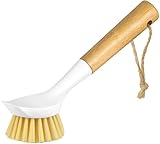
For effective cleaning, use a dedicated camp dish scrub brush. It will help you remove food residue efficiently without scratching your cookware.
6. Rinse Basin: Fill the second basin with clean, cool water.
- Good looks like: Clear water for removing soap residue.
- Common mistake: Using soapy water from the wash basin.
7. Rinse Dishes: Thoroughly rinse all soap off your dishes in the second basin.
- Good looks like: No suds or soapy film remaining.
- Common mistake: Incomplete rinsing, leaving soap that can affect food taste or be harmful.
8. Sanitize Basin (Optional but Recommended): Fill the third basin with hot water (as hot as you can safely handle) or a mild bleach solution (1 tsp bleach per gallon of water, check local regs).
- Good looks like: Hot water or a sanitizing solution.
- Common mistake: Using lukewarm water, which isn’t effective for sanitizing.
9. Sanitize Dishes: Dip dishes in the sanitizing water for at least 30 seconds.
- Good looks like: Dishes submerged for the proper time.
- Common mistake: Skipping this step, especially if you’re concerned about water purity or hygiene.
10. Air Dry or Towel Dry: Place dishes on a drying rack or clean towel. Ensure they are completely dry.
- Good looks like: Sparkling dry dishes, ready for storage.
- Common mistake: Stacking wet dishes, leading to mildew and bacteria.
11. Dispose of Greywater: Strain out any remaining food particles from the wash and rinse water. Scatter the strained greywater at least 200 feet from any water source, campsite, and trails. Pack out the food scraps.
- Good looks like: Clean water dispersed widely, no visible food waste.
- Common mistake: Dumping greywater directly into a lake, stream, or even a fire pit.
12. Clean Up: Pack away all your dishwashing supplies and ensure your cooking area is clean.
- Good looks like: A tidy camp kitchen, no lingering food smells.
- Common mistake: Leaving dirty dishes out overnight, inviting critters.
Common mistakes (and what happens if you ignore them)
| Mistake | What it causes | Fix |
|---|---|---|
| Using regular dish soap | Can harm aquatic life and plants if dumped improperly. | Use biodegradable, camp-specific soap. |
| Dumping greywater near water sources | Water contamination, harm to wildlife, potential spread of disease. | Strain water and disperse it at least 200 feet from any water source, trails, and campsites. |
| Not straining food scraps | Clogs drains, attracts animals, pollutes the environment. | Scrape all food scraps into a trash bag before washing. Pack out all trash. |
| Not having a designated wash station | Messy camp, wasted water, potential for contamination. | Use a collapsible sink or multiple containers for a structured wash, rinse, and sanitize system. |
| Using too much water | Depletes your supply, especially in arid areas. | Be mindful of water use; pre-rinse effectively, use hot water sparingly, and dry thoroughly. |
| Not drying dishes properly | Mildew growth, bacteria, unpleasant smells, potential for illness. | Air dry completely on a rack or clean towel; ensure they are bone dry before packing. |
| Leaving dirty dishes out overnight | Attracts wildlife (bears, rodents), creates a mess, and smells bad. | Wash dishes immediately after meals or store them securely away from your sleeping area. |
| Not checking fire restrictions | Illegal fires, potential fines, and environmental damage. | Always check current fire restrictions with the land manager before your trip. |
| Using untreated backcountry water | Risk of gastrointestinal illness from bacteria, viruses, or parasites. | Filter and/or boil all water used for drinking and cooking, and consider sanitizing dishes. |
| Not packing out all trash (including scraps) | Pollutes the environment, harms wildlife, and leaves a negative impact. | Pack it in, pack it out. All food scraps and waste must be removed from the campsite. |
To avoid harming aquatic life and plants, always use a biodegradable camping soap. It’s a simple switch that makes a big difference for the environment.
Decision rules (simple if/then)
- If you’re in a developed campground with potable water and a dump station, then use those facilities for a more convenient clean-up, because it’s designed for that purpose.
- If you’re dispersed camping, then plan to haul all your water and pack out all your greywater, because there are no facilities to help you.
- If the weather is hot and dry, then be extra vigilant about fire restrictions and water conservation, because these conditions exacerbate risks.
- If you encounter wildlife near your cooking area, then secure all food and clean up immediately, because their attraction to food smells poses a safety risk.
- If you have a very limited water supply, then consider simple meals that require minimal cooking and washing, because this conserves your most precious resource.
- If you’re camping with kids, then assign them simple tasks like scraping plates or drying, because it teaches them responsibility and keeps them engaged.
- If you’re using a fire for cooking, then plan to wash dishes after the fire has died down, because hot ashes can be dangerous and a fire hazard.
- If you’re concerned about water quality at your campsite, then err on the side of caution and use a sanitizing step for your dishes, because preventing illness is paramount.
- If you’re in an area known for bears, then store all food and scented items securely and clean dishes immediately, because reducing attractants is key to safety.
- If you notice your wash water getting excessively greasy, then change it out, because clean water makes washing more effective and reduces the amount of soap needed.
- If you forgot a sponge, then a clean pinecone or a clump of grass can work in a pinch, but make sure to use biodegradable options and dispose of them properly.
FAQ
How can I minimize the number of dishes I have to wash?
Plan meals that use fewer pots and pans. One-pot meals are your friend. Consider using disposable plates or bowls if you’re in an area where packing them out is feasible and it aligns with your LNT ethics.
What’s the best biodegradable soap to use?
Look for soaps specifically labeled as biodegradable and environmentally friendly for outdoor use. They are formulated to break down quickly and have a lower impact on natural ecosystems.
Can I just wash dishes in a lake or stream?
No, absolutely not. This is a major LNT violation. Even biodegradable soap can harm aquatic life and contaminate water sources used by others or wildlife.
How do I deal with greasy pans?
Scrape off as much grease as possible first. Then, use hot water and a good scrub brush with biodegradable soap. For really tough grease, you might need to use a bit more soap or a second scrub.
For stubborn grease, a sturdy camp dish scrub brush combined with hot water and biodegradable soap will be your best friend.
What if I don’t have a collapsible sink?
You can use sturdy food storage containers, buckets, or even clean trash bags that are well-supported inside a larger container to create your wash basins. Just ensure they are watertight.
How much water do I really need for dishwashing?
It varies, but plan for at least 2-3 gallons for a decent wash, rinse, and sanitize cycle for a small group. If water is scarce, you’ll need to be more efficient.
What’s the deal with sanitizing? Is it always necessary?
Sanitizing is highly recommended, especially if you’re using water from an untreated source or if hygiene is a concern. It kills bacteria and viruses that washing alone might miss.
How can I dry my dishes quickly in damp weather?
A clean microfiber towel works well. You can also hang dishes on a line to catch any breeze, or place them in direct sunlight if available. Make sure they are completely dry before packing.
What this page does NOT cover (and where to go next)
- Specific campsite reservation systems and fees.
- Detailed regulations on campfires or overnight stays.
- Advanced wilderness survival cooking techniques.
- Detailed bear canister requirements or food storage regulations.
- Specific recommendations for water filters or purification methods.