
Tips for Keeping Your Cooler Cold on Camping Adventures
Quick answer
- Pre-chill your cooler and its contents.
- Use block ice or frozen water bottles.
- Pack your cooler strategically, keeping frequently accessed items on top.
- Minimize opening the cooler.
- Insulate your cooler from direct sun.
- Consider a second cooler for drinks.
- Use dry ice for longer trips, with proper ventilation.
- Top off with fresh ice as needed.
What to check first (do this before you drive out)
Before you even think about packing, a little prep goes a long way.
- Land manager / legality: Who’s in charge of the campground or dispersed site? Is it US Forest Service, BLM, NPS, or a state park? Knowing this helps you understand any specific rules, like fire bans or quiet hours. Check their official websites.
- Access/road conditions: Is the road to your spot paved, gravel, or just a suggestion? Will your 2WD sedan make it, or do you need AWD and decent clearance? Mud, snow, or ruts can turn a fun drive into a frustrating ordeal. A quick look at recent reviews or ranger reports can save you a tow.
- Fire restrictions + weather + wind: This is crucial. Fire bans are common, especially in dry seasons. Check the local fire danger rating. Also, look at the forecast for rain, extreme heat, or high winds. Wind can be brutal in exposed areas and can dry things out fast.
- Water plan + waste plan (Leave No Trace): How are you getting your water? Bringing it all, filtering, or is there a potable water source? And what about trash? Pack it in, pack it out. Always. Plan for human waste disposal too, especially in areas without facilities.
- Safety (wildlife, distance to help, comms): What kind of critters are in the area? Know how to store food properly to avoid unwanted visitors. How far is the nearest ranger station or town? Do you have cell service? Consider a satellite communicator for remote areas. Better safe than sorry.
Step-by-step (field workflow)
Here’s how to nail the cooler game once you’re on site.
1. Pre-chill the cooler:
- What to do: Bring your cooler inside the house a day or two before your trip. Fill it with ice packs or sacrificial ice.
- What “good” looks like: The inside of the cooler feels cold to the touch.
- Common mistake: Packing warm food into a warm cooler. This melts your ice way too fast. Avoid it by giving your cooler a head start.
For pre-chilling your cooler, consider using reusable ice packs, which are convenient and mess-free. They’re also great for filling small gaps later on.

2. Pre-chill your food and drinks:
- What to do: Keep everything in your fridge until the last possible minute. Freeze meats, pack beverages cold.
- What “good” looks like: Your drinks are already cold, and your food items are chilled to refrigerator temperature.
- Common mistake: Throwing room-temperature items into the cooler. They’ll suck the cold right out of your ice. Keep it cold at home.
3. Layer with ice:
- What to do: Start with a layer of ice at the bottom of the cooler. Use block ice or frozen water bottles if possible; they last longer than cubes.
- What “good” looks like: A solid base of ice.
- Common mistake: Only using ice cubes. They melt faster. Block ice is your friend for longevity.
4. Pack heavy items first:
- What to do: Place heavier items like frozen meat or large drink containers at the bottom, on top of the ice.
- What “good” looks like: A stable base of heavier items.
- Common mistake: Putting lighter, delicate items at the bottom where they can get crushed. Pack smart.
5. Fill empty space:
- What to do: Use smaller ice packs, frozen water bottles, or even towels to fill any gaps. Less air space means less melting.
- What “good” looks like: A tightly packed cooler with minimal air pockets.
- Common mistake: Leaving large air pockets. Air is an insulator, but not the kind you want in your cooler. Fill it up.
To fill empty space and maximize cold retention, use smaller reusable ice packs or frozen water bottles. This helps eliminate air pockets that can speed up melting.
6. Add a top layer of ice:
- What to do: Cover everything with another layer of ice.
- What “good” looks like: Ice is in contact with most of your food and drinks.
- Common mistake: Not having ice on top. Heat rises, so you need that top layer to keep things cool from above.
7. Keep it closed:
- What to do: Only open the cooler when you absolutely need to. Plan your meals and grab everything at once.
- What “good” looks like: The cooler lid is shut most of the time.
- Common mistake: Constantly peeking inside. Every time you open it, cold air escapes and warm air enters. Be decisive.
8. Keep it in the shade:
- What to do: Place your cooler under a picnic table, tarp, or in the shade of a tree. Never leave it in direct sunlight.
- What “good” looks like: The cooler is out of the sun’s rays.
- Common mistake: Leaving the cooler sitting out in the sun all day. It’s like putting it in an oven. Find shade.
9. Use a separate drink cooler (optional but recommended):
- What to do: If you have a lot of drinks, keep them in a separate cooler. You’ll be accessing drinks more often than food.
- What “good” looks like: Two coolers: one for food, one for drinks.
- Common mistake: Mixing drinks and food in one cooler. You’ll be opening the food cooler way too much.
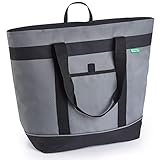
For drinks, an insulated cooler bag can be a game-changer, allowing you to access beverages frequently without disturbing your main food cooler.
10. Replenish ice as needed:
- What to do: Check your ice levels daily. If you’re running low, add more. Consider buying a bag of ice if you didn’t bring enough.
- What “good” looks like: You’ve got plenty of ice throughout the trip.
- Common mistake: Waiting until all the ice is gone. It’s much harder to cool things down from a warm state than to keep them cold.
Common mistakes (and what happens if you ignore them)
| Mistake | What it causes | Fix |
|---|---|---|
| Packing a warm cooler | Rapid ice melt, warm food, potential food spoilage. | Pre-chill your cooler with ice packs or sacrificial ice before packing. |
| Not pre-chilling contents | Cooler works overtime, ice melts faster, food/drinks don’t get cold enough. | Refrigerate or freeze all food and drinks before they go into the cooler. |
| Using only ice cubes | Ice melts quickly, leading to a watery mess and less sustained cold. | Use block ice or frozen water bottles for the base layer; supplement with cubes if needed. |
| Leaving air space in the cooler | Air is an insulator, but it’s the <em>wrong kind</em> of insulation. Faster melting. | Pack tightly, fill gaps with towels, smaller ice packs, or even crumpled newspaper. |
| Constantly opening the cooler | Cold air escapes, warm air enters, ice melts exponentially. | Plan ahead, grab everything you need at once, and close the lid promptly. |
| Leaving the cooler in direct sunlight | The cooler’s exterior heats up, transferring heat to the inside. | Always place your cooler in the shade – under a table, tarp, or tree. |
| Not draining meltwater (for some coolers) | Water can raise the temperature inside the cooler. | For hard-sided coolers, drain meltwater periodically. Soft coolers are designed to hold it. |
| Packing items loosely | Items shift, creating air pockets and making it harder to keep things cold. | Pack items snugly. Use towels or smaller ice packs to fill any voids. |
| Overfilling the cooler | Makes it hard to close the lid properly, compromising the seal. | Don’t stuff it so full that the lid won’t seal. Leave a little room. |
| Not having a plan for ice replenishment | Running out of ice mid-trip, leading to spoiled food. | Bring extra ice, buy ice along the way, or freeze extra water bottles. |
Decision rules (simple if/then)
- If the trip is longer than two days, then use block ice because it melts much slower than cubes.
- If you’re car camping and have the space, then consider a second cooler for drinks because you’ll open it more often.
- If the weather forecast is extremely hot, then double your ice supply because you’ll need it.
- If you’re camping in bear country, then store your cooler in a bear-resistant container or hang it properly because food security is critical.
- If you’re using a soft-sided cooler, then make sure it’s fully zipped because the seal is key to its performance.
- If you’re packing raw meat, then double-bag it because leaks can contaminate other items.
- If you’re using dry ice, then ensure adequate ventilation because it releases carbon dioxide gas.
- If you have a lot of open space, then fill it with towels or crumpled paper because dead air space melts ice faster.
- If you’re going dispersed camping with no amenities, then bring a water filter or plenty of water because you won’t have access to potable water to refill frozen bottles.
- If you’re planning on keeping things frozen, then use a high-quality, well-insulated cooler because cheaper ones just won’t cut it.
- If you’re concerned about hygiene, then use separate coolers for raw meat and ready-to-eat foods because cross-contamination is a real risk.
- If you’re using frozen water bottles, then leave a little room at the top because water expands when it freezes.
If you’re using a soft-sided cooler or an insulated cooler bag, ensure it’s fully zipped to maintain its seal and performance.
FAQ
How much ice do I need?
It depends on the cooler size, outside temperature, and trip length. A good rule of thumb is about 1 pound of ice per gallon of cooler capacity for a weekend trip in moderate weather. Always err on the side of bringing too much.
Should I drain the meltwater?
For hard-sided coolers, yes. Meltwater is warmer than solid ice and can speed up melting. For most soft-sided coolers, the meltwater is contained, and it’s less of an issue.
Can I use dry ice?
Yes, but with caution. Dry ice is much colder than regular ice and can keep things frozen for days. However, it needs proper ventilation to prevent suffocation and should not be touched with bare hands. Check with your cooler manufacturer for dry ice compatibility.
How long will my ice last?
This varies wildly. A cheap cooler in direct sun might lose all its ice in a day. A high-end cooler, pre-chilled and packed properly, can keep ice for 5-7 days or even longer.
What’s the best way to pack a cooler for a long trip?
Layer your ice, pack heavy items on the bottom, fill all air gaps, and keep it in the shade. Consider a second cooler for drinks to minimize opening the main food cooler.
Does the color of the cooler matter?
Yes, lighter colors reflect more sunlight and heat than darker colors, helping to keep the contents cooler.
How do I keep my drinks cold without diluting them with melted ice?
Freeze water bottles or cans of your beverages. You can also use frozen water bottles as your ice source.
What if I run out of ice?
If you’re near civilization, you can buy more. If you’re deep in the backcountry, you’ll have to make do with what you have or rely on cooler, less perishable foods. This is why planning is key.
What this page does NOT cover (and where to go next)
- Specific campsite reservation systems and booking windows.
- Detailed bear safety protocols and food storage regulations for specific parks.
- In-depth water purification methods beyond general planning.
- Advanced cooler insulation modifications.
- Recipes designed for cooler-based meal prep.