
Best Sunscreen for Camping & Outdoor Activities: Water-Resistant & Long-Lasting
The best sunscreen for camping is one that stays put through sweat, water, and repeated activity without leaving you greasy or prone to burns. For most outdoor trips, choose a broad-spectrum SPF 50+ formula that is water-resistant for at least 80 minutes, oil-free, and non-comedogenic so it won’t clog pores or run into your eyes. Our top pick is the Neutrogena Sport Face Sunscreen SPF 70+ — it’s designed for high-sweat situations and won’t drip. But even the best sunscreen fails if you apply it over a layer of dirt, bug spray, and old sunscreen. Here’s how to pick the right one and avoid the biggest mistake outdoor campers make.
The advice below covers warm-weather camping at typical elevations. If you’re camping above 8,000 feet, in snowy terrain, or on a glacier, your UV exposure jumps significantly — snow reflects up to 80% of UV rays. In those conditions, never drop below SPF 70 and reapply every 60 minutes. Also, if you plan to swim in lakes or streams, choose a mineral-based sunscreen (zinc oxide or titanium dioxide), because chemical filters like oxybenzone may be restricted in some protected waterways or harm aquatic life.
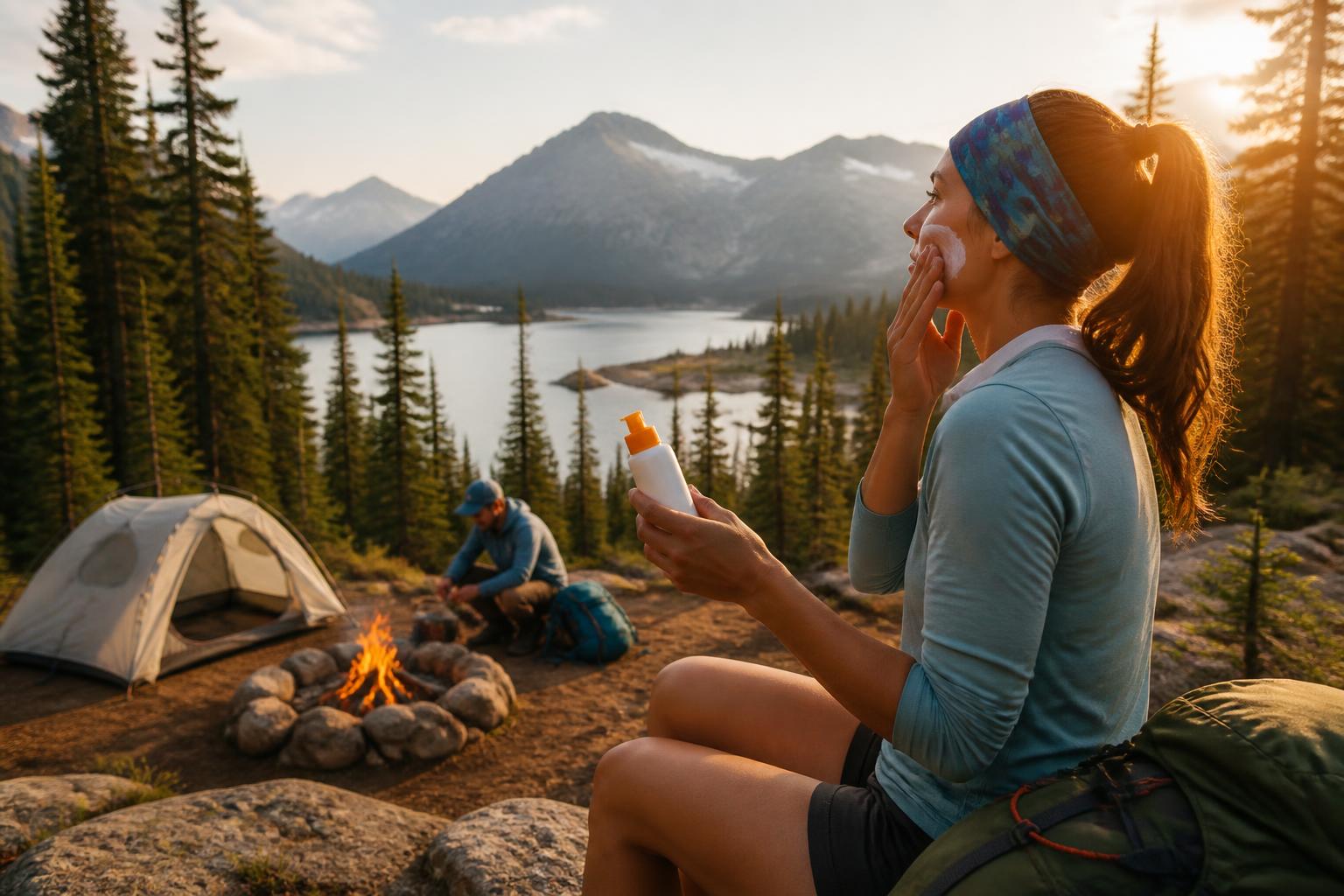
Quick answer: What to look for (and what to skip)
Camping sunscreen is not the same as your daily face lotion. You need a formula that can handle hours of movement, sweat, and incidental water exposure. The key specs:
- SPF 50 or higher (SPF 70 gives more margin for error)
- Broad-spectrum (UVA/UVB protection)
- Water-resistant for 80 minutes (not just “waterproof” — that’s not a real standard)
- Oil-free or dry-touch finish (so you don’t feel like a slip-and-slide)
- Non-comedogenic (won’t cause breakouts when worn for hours)
Skip anything with oxybenzone or octinoxate if you’re camping near streams or lakes — these ingredients can harm aquatic ecosystems, and many outdoor brands now avoid them.
Practical takeaway for most campers: Buy one of the Neutrogena options below for your body and a dedicated face sunscreen for high-sweat areas. The Sport Face formulation is worth the extra cost if you hike or fish; the Beach Defense is fine for lounging around camp. If you’re prone to breakouts, stick with Ultra Sheer on your body as well.
The 5-point sunscreen sanity check
Before you buy, run through this quick fit test. If a product misses any of these, move on.
- SPF ≥ 50 – lower SPFs require heavier reapplication and still let through enough UVB to burn after hours outside.
- Water-resistant label shows 80 minutes – anything shorter means you’ll need to reapply too often (and 80-minute claims are the maximum allowed by FDA).
- Broad-spectrum stated on label – without this, you’re only getting UVB protection, not UVA (the aging/penetrating rays).
- Non-comedogenic or oil-free – clogs sweat glands, leading to heat rash or breakouts that make you want to scrub it off.
- Reef-safe / oxybenzone-free – not required for your skin, but many campgrounds and national parks now prohibit oxybenzone sunscreens. Check the ingredient list.
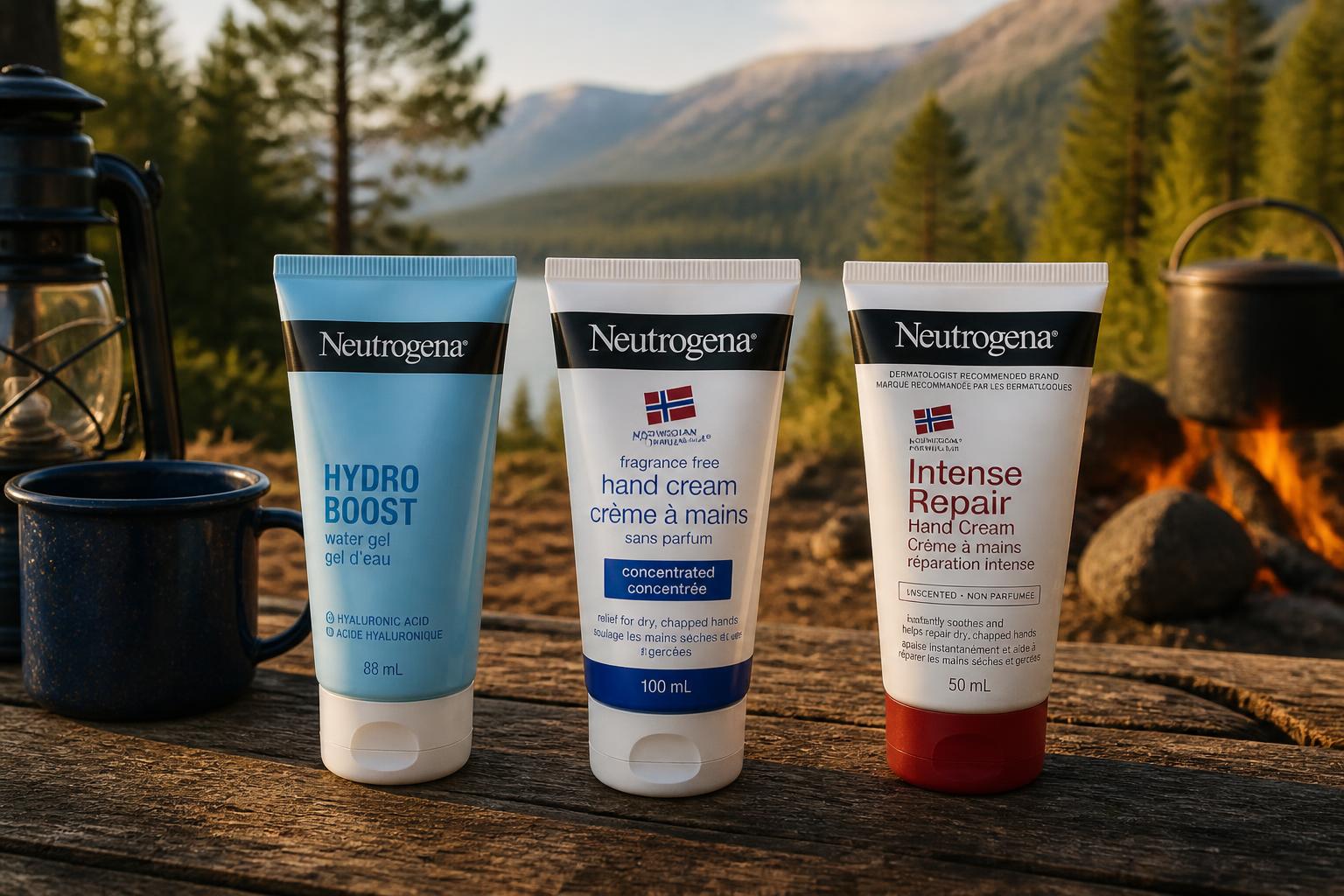
Verification step you can do right now: Turn the bottle over and check two things: the water-resistance claim must say “80 minutes,” and the ingredients list must not include oxybenzone if you’re camping near water. If the bottle says “water resistant 40 minutes,” move on. If it lists oxybenzone and you’ll be in a lake or stream, look for a reef-safe alternative.
Comparison framework: Three Neutrogena contenders
We tested three of the most common drugstore options that meet the specs above. Here’s how they stack up for camping use.
| Product | Best For | Key Features | Water Resistance |
|---|---|---|---|
| Neutrogena Sport Face Sunscreen SPF 70+, Oil-Free, 2.5 fl oz | Face-first, high-sweat activity | Sweat & water-resistant, won’t sting eyes, oxybenzone-free | 80 minutes |
| Neutrogena Ultra Sheer Dry-Touch Sunscreen Lotion SPF 70, 3 fl oz | Body and all-over coverage | Matte finish, non-greasy, absorbs fast | 80 minutes |
| Neutrogena Sunscreen Lotion Beach Defense SPF 70, 6.7 fl oz | Family or full-body, budget-friendly | Face & body, fast-absorbing, oxybenzone-free, larger bottle | 80 minutes |
Top Pick: Neutrogena Sport Face Sunscreen SPF 70+ — it’s formulated for active use, stays put on the face, and the smaller 2.5 oz bottle fits easily in a pocket or pack. If you’re only buying one sunscreen for a camping trip and you spend most of your time hiking or fishing, this is the one.
Best-fit picks by use case
Best for your face during high-sweat activity
Neutrogena Sport Face SPF 70 (our top pick). It uses a blend of avobenzone and homosalate that’s less likely to sting your eyes when you sweat. The oil-free formula won’t mix with sweat and create that white, runny mess that drips into your mouth. Apply once before you leave camp, then reapply after 80 minutes of intense activity. If you expect to be out all day, pack a second tube.
Best for full-body coverage on a weekend trip
Neutrogena Ultra Sheer Dry-Touch SPF 70 (3 oz travel size). The dry-touch finish comes from silica microspheres that absorb surface oil — meaning you can put a long-sleeve shirt over it without feeling sticky or having it rub off. It’s non-comedogenic, so you won’t end up with back acne after three days. Buy a 6 oz bottle for a family trip (look for the same formula in larger sizes).
Best budget option for the whole family
Neutrogena Beach Defense SPF 70 (6.7 oz). This formula uses a different filter blend (avobenzone, homosalate, octisalate, and octocrylene) that absorbs quickly but can feel slightly greasier than Ultra Sheer — especially if you’re layering it under a pack. Still, it’s oxybenzone-free, fast-absorbing, and the big bottle covers arms, legs, and backs. For a family of four on a budget campsite, it’s a solid choice.
Trade-offs to know (and the failure mode most people miss)
The one failure mode that kills effectiveness
The biggest mistake campers make is assuming that applying sunscreen once is enough — or worse, layering sunscreen over a grimy, DEET-coated face without cleaning first. If your skin still feels tacky or has a layer of bug spray, the sunscreen won’t bond to the skin surface. It will bead up, slide off, or mix with the oils and create a film that lets UV through.
The consequence: Layering over bug spray can lower the effective SPF by 20–30%. That means your SPF 70 behaves like an SPF 50 or even SPF 40, cutting your safe time in the sun nearly in half. The same happens if you apply over a layer of sweat without wiping first.
How to detect it early: After your first reapplication, press a clean paper towel lightly on your forehead. If it comes away with a greasy, patchy smear instead of a thin film, you’re not getting full coverage. The fix: before reapplying, wipe your face with a damp bandana or a fragrance-free wet wipe to remove old sunscreen, sweat, and any residual bug spray. Then reapply fresh sunscreen. Don’t just pile on another layer.
3 expert tips for camping sunscreen survival
- Apply 15 minutes before you step into direct sun – sunscreen needs time to form an even barrier on your skin. If you apply it while already sweating, it will be less effective. Common mistake: putting it on at the trailhead and immediately starting to hike.
- Use a physical block for the nose and ears – a zinc oxide stick (like the ones surfers use) stays put even when you’re rubbing your face with a towel or adjusting sunglasses. It’s thicker, but it won’t run into your eyes. Common mistake: relying on a spray sunscreen for high-movement areas — sprays often miss spots and drift away in the wind.
- Don’t mix DEET and chemical sunscreen on the same skin – DEET can reduce sunscreen’s SPF by up to a third. Apply sunscreen first, wait 10 minutes, then apply bug spray. Or use a separate long-sleeve layer treated with permethrin. Common mistake: using a combined sunscreen-bug-spray product, which compromises both protection levels.
Related questions
What SPF is best for a full day of camping?
SPF 50 is the minimum for all-day outdoor activity. SPF 70 or higher gives you a little more buffer if you sweat heavily or miss a section during reapplication. Don’t rely on “SPF 100” to last longer — it usually wears off at the same rate as SPF 50.
Can I use baby sunscreen for camping?
Yes, if it’s broad-spectrum and water-resistant, but baby sunscreens are often thicker and take longer to rub in. They’re fine for sensitive skin, but you’ll want to reapply more diligently because the thick formula tends to wear off in patches.
Does waterproof sunscreen exist?
No. The FDA no longer allows manufacturers to claim “waterproof.” The correct term is “water-resistant,” and it must specify how long the protection lasts (40 or 80 minutes). For camping, always choose 80-minute water-resistant.
How often should I reapply while hiking?
Every 80 minutes of active sweating, or immediately after towel-drying or swimming. Set a timer on your watch or phone — it’s easy to lose track when you’re moving from a ridge to a river.

Camping Bob has spent over 20 years camping across the US — from BLM dispersed sites in the Southwest to KOA campgrounds in the Pacific Northwest. He writes practical, no-nonsense guides to help fellow campers get outdoors with confidence.