
Best Mosquito Repellents for Camping: Sprays, Lotions and Devices
The most reliable way to keep mosquitoes off you while camping is to combine skin-applied repellent (DEET or picaridin), treated clothing and gear (permethrin), and a physical barrier (net or screen tent) when you’re asleep or sitting still. Most campers get bitten because they rely on only one of these layers—usually a spray on their skin—and the mosquitoes simply bite through untreated fabric or find a gap in coverage.

Quick answer
- On skin: Use a 20–30% DEET lotion/spray or a 20% picaridin product. Reapply after sweating or swimming.
- On clothing and gear: Treat with permethrin (Sawyer SP657 is the standard) at least 24 hours before your trip. It lasts through several washes.
- For sleep or downtime: Use a mosquito net (Coghlan’s rectangular canopy) or a pop-up screen tent (SANSBUG one-person tent) to create a bite-free zone.
No single product does it all. The smart buy is a combo of a permethrin spray, a skin repellent, and a net.
When the answer changes: backpacking vs. car camping
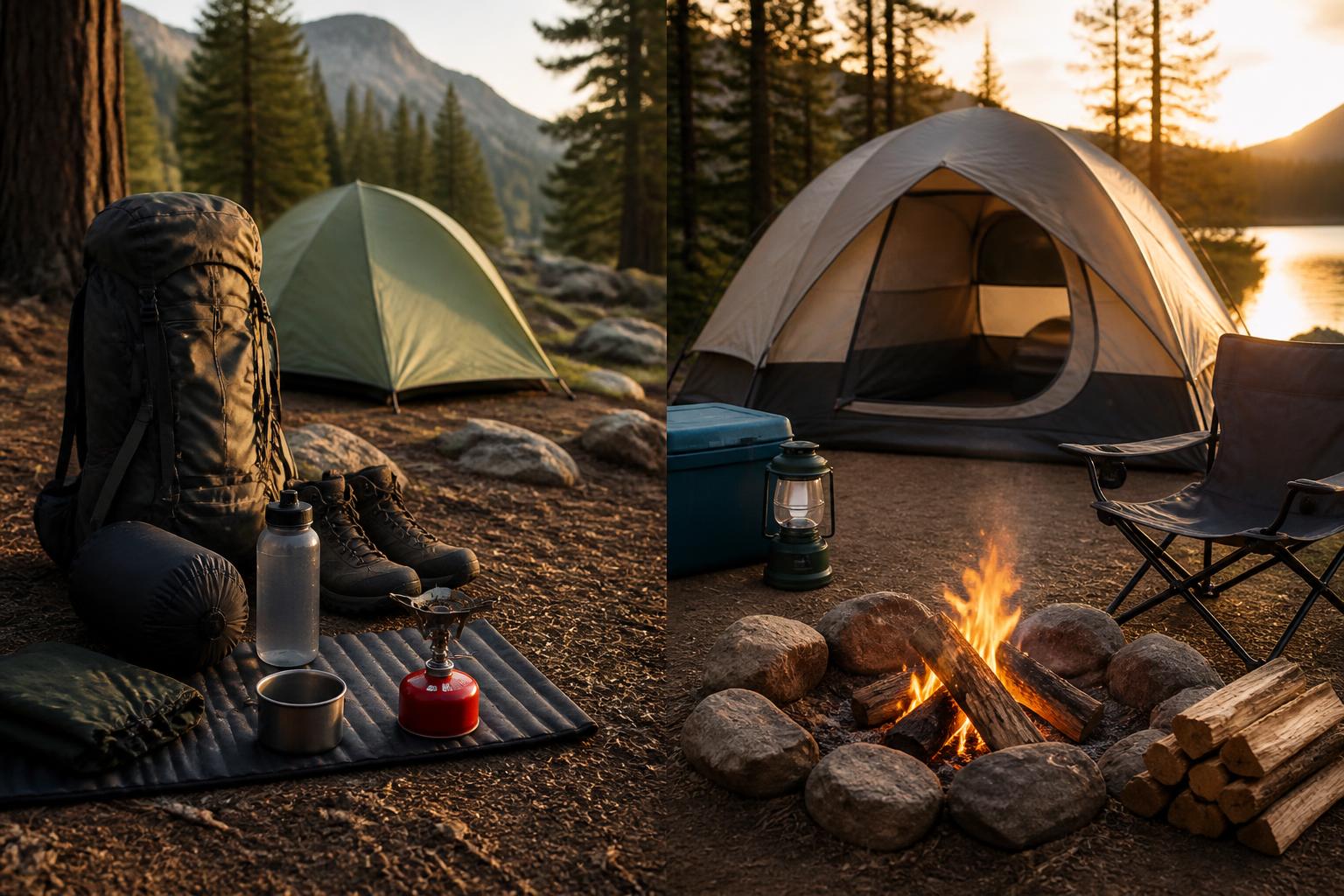
If you’re backpacking, every ounce matters, so a lightweight net (Coghlan’s at about 5 oz) and a small bottle of picaridin make sense; you can ditch the screen tent and rely on your tent’s own mesh. For car camping, weight isn’t a concern, so the pop-up SANSBUG screen tent is a real luxury—you can set up a communal bug-free zone that lets you sit outside without spraying yourself every hour. The choice between DEET and picaridin also shifts: DEET’s longer duration is useful on multi-day backcountry trips where you want to minimize reapplication, while picaridin’s gentler feel works fine for shorter car-camp trips.
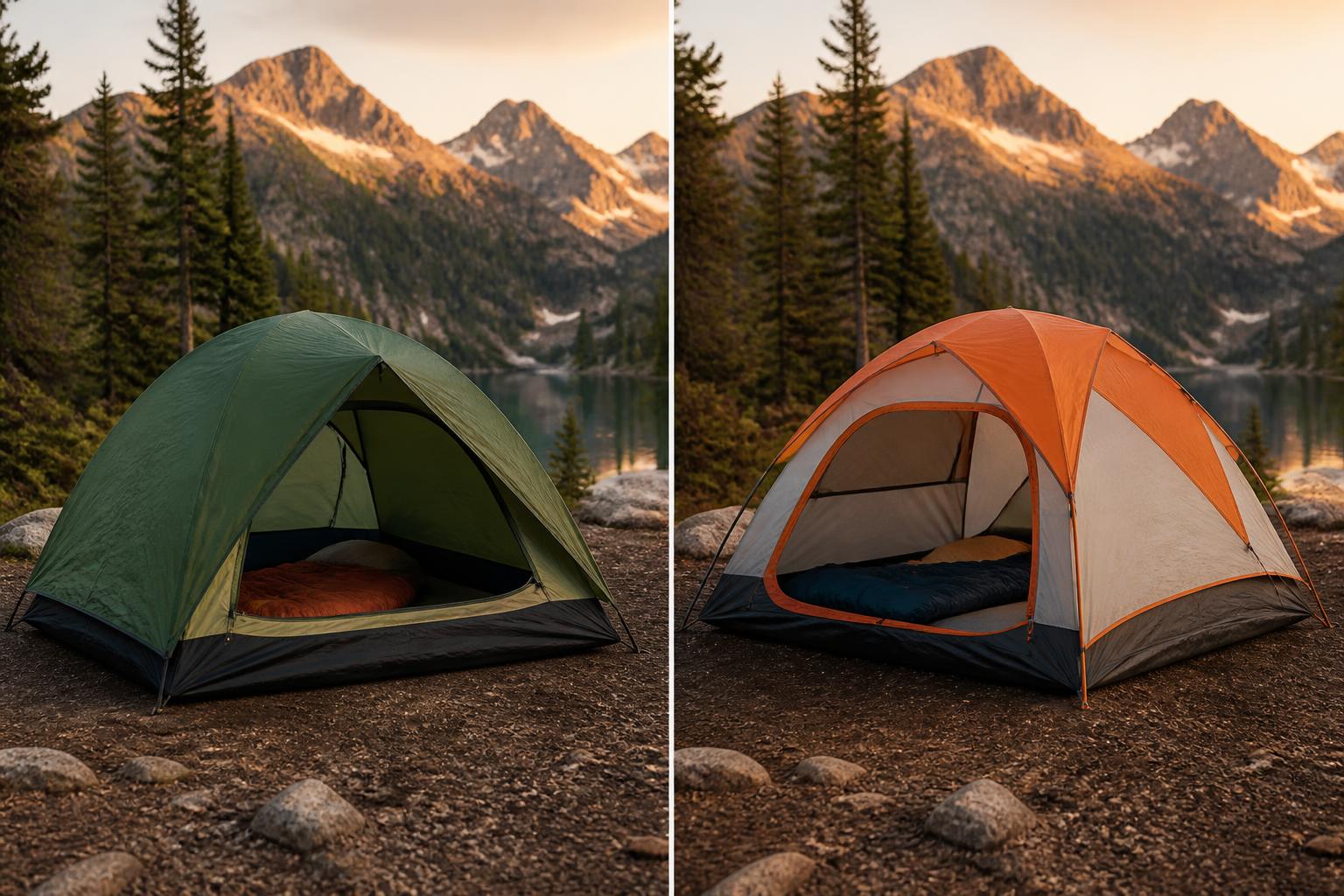
What this means for your next purchase: If you only buy one item, make it the Sawyer Permethrin spray—it protects the tent, sleeping bag, and hiking clothes, covering the gaps that skin spray alone can’t reach. Plan to spend roughly $20–30 for the permethrin, $10–15 for a net, and $8–12 for a skin repellent. Getting all three under $60 gives you a system that actually stops bites.
Comparison framework
| Product | Brand | Price | Type | Best For |
|---|---|---|---|---|
| Sawyer Products SP657 Premium Permethrin Insect Repellent for Clothing, Gear & Tents | Sawyer | – | Clothing/gear spray | Treating tents, clothes, and gear |
| Coghlan’s Rectangular Mosquito Net | Coghlan’s | – | Suspended net | Sleeping and sitting under a tarp or tree |
| SANSBUG Screen Tent for One Person | SANSBUG | – | Pop-up screen tent | Creating a personal bug-free zone |
Top Pick: Sawyer Products SP657 Premium Permethrin Insect Repellent for Clothing, Gear & Tents. It’s the foundation of a layered defense—treat your tent, sleeping bag, and hiking clothes with it and you eliminate the biggest gap in most people’s setup.
Best-fit picks by use case
For clothing and gear treatment: Sawyer Permethrin
This is a “set and forget” solution. Spray it on pants, shirts, socks, tent walls, and even your backpack’s outer fabric. Once dry, the protection is invisible and odorless. It stays effective through several washes (manufacturer says 6 washes or 6 weeks of UV exposure).
Expert tip: Apply permethrin outdoors in a well-ventilated area, and let items dry completely (2–4 hours) before packing them. Common mistake: Spraying clothing while already wearing it—the wet chemical can transfer to your skin, and the application will be uneven. Always treat gear before your trip, not at the campsite.
Branch scenario: what happens if you skip treating the tent floor. Many campers treat only their sleeping clothes, but mosquitoes can bite through the tent floor if it’s thin or if you sleep directly on it. The result: bites on your back and hips that appear the next morning. To avoid this, spray the tent floor (inside and out) with permethrin and let it dry before setting up. If you’re using a tent with a no-see-um mesh floor, treat that too—mosquitoes will land on it and try to bite through.
For sleeping and sitting still: Coghlan’s Mosquito Net
A classic canopy net is cheap, lightweight, and easy to hang from a tree branch or tent ridgepole. The 78″ × 32″ × 59″ size fits one person plus a sleeping bag. Failure mode to watch for: If the net touches your skin, mosquitoes can bite through the mesh. Tie it taut or use spreader lines. Also check for tears before each trip. A single pin-sized hole can let in a dozen mosquitoes over a night.
Expert tip: Carry a short length of paracord and two carabiners to create a ridge-line for hanging the net—tree branches are rarely at the perfect height. Common mistake: Assuming the net alone is enough—if you leave a gap at the bottom or fail to tuck it under your sleeping pad, mosquitoes will crawl underneath.
For a portable no-bug zone: SANSBUG Screen Tent
If you car-camp or have room for a small pop-up, this instant screen tent gives you a sit‑around space without spraying yourself constantly. The no‑see‑um mesh keeps out even the tiniest biting midges. Trade‑off: It adds weight and bulk. Ideal for basecamp setups, not for backpacking.
Expert tip: Stake down all four corners immediately after popping it open—wind can flip an unstaked screen tent in seconds. Common mistake: Leaving the zipper door partially open for ventilation during the day, then forgetting to close it at dusk when mosquitoes become active.
Failure mode: relying on the screen tent without a treated base. If you sit on the ground inside the tent, mosquitoes can still bite through the tarp floor if it’s not treated with permethrin. Even worse, if the floor has a small tear, ants and chiggers can get in. Always inspect the floor before each trip and treat it with permethrin.
Quick gap-check before you head out
Run through these five pass/fail checks to spot holes in your protection. Each one is a “yes” or “no” answer—if you get a “no” anywhere, fix that gap before leaving:
- [ ] Permethrin applied to tent and sleeping clothes? Yes = gap closed. No = mosquitoes will bite through fabric.
- [ ] DEET or picaridin product packed for exposed skin? Yes = skin is covered. No = bare arms and legs are unprotected.
- [ ] Mosquito net or fully enclosed tent for sleeping? Yes = you have a barrier at night. No = open-air sleeping guarantees bites.
- [ ] Plan to reapply repellent after sweating or swimming? Yes = coverage stays effective. No = protection fades in 4–6 hours.
- [ ] Nets inspected for holes and tears? Yes = barrier is intact. No = a single pin‑sized hole lets mosquitoes in.
If you answered “no” to any item, your protection plan has a gap that needs fixing before you head out.
Trade‑offs to know
Why relying on skin spray alone fails
You spray your arms and legs, but mosquitoes still bite your back through a thin t‑shirt or your calves through your pants. The bites show up where fabric was pressed against your skin. How to detect it early: After your first evening out, check your torso and thighs—if you find bites there, your clothing is passing mosquitoes. Treating those clothes with permethrin solves the problem.
A realistic mismatch: DEET vs. synthetic gear
DEET (20–30%) is the gold standard—proven effective against ticks and mosquitoes, and lasts 8+ hours. But it can melt synthetic fabrics (nylon, polyester, spandex) and some plastics (watch straps, tent zippers). If you apply DEET to your hands and then grab your tent zipper, it can cause the zipper slider to stick or the zipper tape to corrode over time. The consequence: a stuck zipper that fails at the worst moment. Picaridin (20%) is nearly as long‑lasting, won’t damage gear, and has no odor. Mistake: Using a low‑strength (<10%) product because it feels “less harsh.” At that strength you’ll need to reapply every hour.
Physical barriers can be fragile
Nets and screen tents are lightweight, but they rip easily. A single snag on a branch can create a hole big enough for mosquitoes to enter. Tip: Carry a small repair kit (tenacious tape or a needle/thread) and inspect your net every time you set up.
Related questions
Is DEET or picaridin better for camping?
Both work well at 20–30% (DEET) or 20% (picaridin). DEET has more decades of testing and remains the standard for high‑risk areas. Picaridin is a better choice if you wear synthetic clothing or want a product that doesn’t feel greasy. For most car‑camping and hiking trips, either works—just don’t settle for a low concentration.
Can I use permethrin on my skin?
No. Permethrin is an insecticide designed for fabric. Applying it to skin can cause irritation and is not effective because it’s washed off quickly. Use a skin repellent (DEET or picaridin) for exposed skin and save permethrin for clothing, tent walls, and gear.
How often should I reapply repellent while camping?
For skin products, 20–30% DEET lasts about 8 hours, 20% picaridin about 6–8 hours. Reapply after swimming, heavy sweating, or if you start seeing mosquitoes land on you. Permethrin on clothing lasts through several washes—check the label for the number of washes, and retreat if you’ve washed the item more than 6 times.
Do mosquito repellent devices (spiral coils, candles, fans) work for camping?
They can help in very calm, enclosed areas like a screened porch, but they’re unreliable in open air or wind. Coils and citronella candles produce smoke that irritates mosquitoes, but the effect is weak compared to a proper repellent. Battery‑powered fans with repellent pads are often too localized to protect a camp site. Stick with the three‑layer system (skin repellent + permethrin + net) as your primary defense, and use devices only as a supplement—never a replacement.

Camping Bob has spent over 20 years camping across the US — from BLM dispersed sites in the Southwest to KOA campgrounds in the Pacific Northwest. He writes practical, no-nonsense guides to help fellow campers get outdoors with confidence.