
Understanding Campsite Costs for Your Trip
Quick answer
- Campsite costs vary wildly, from free dispersed sites to $50+ for prime spots.
- Factors include amenities, location, land manager, and season.
- Dispersed camping is often free, but has zero amenities.
- Developed campgrounds can range from $15-$50 per night.
- RV sites with full hookups cost more than tent sites.
- Expect premium pricing for popular parks and holiday weekends.
- Always check the specific campground’s website for exact pricing.
What to check first (do this before you drive out)
Before you even think about packing the cooler, get a handle on the costs. It’s not just about the nightly fee.
- Land manager / legality: Who actually owns the land? Is it National Park Service, US Forest Service, Bureau of Land Management, state park, or private? This dictates the rules and the price. A USFS campground might be $15, while a nearby private one could be $40 for the same amenities. Always check the official site for the managing agency.
- Access/road conditions: Can your rig even get there? Some “campsites” are just pull-offs on dirt roads. Others require high-clearance 4WD. If you’re paying for a spot that you can’t reach, that’s a big problem. Check recent trip reports or call the ranger station if you’re unsure.
- Fire restrictions + weather + wind: Fire bans can change your whole cooking plan. Weather can make or break a trip. High winds? Forget about that fancy tarp setup. Check the National Weather Service and the specific land manager’s site for fire restrictions. This is non-negotiable.
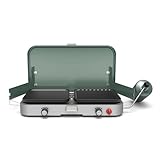
If fire bans change your cooking plans, a reliable portable camping stove can be a game-changer. Consider bringing a portable camping stove for cooking versatility.
- Water plan + waste plan (Leave No Trace): Free sites often mean no water, no toilets. You pack it in, you pack it out. Developed sites usually have water spigots and vault toilets. Know what you’re getting into. Bring a water filter or plenty of water, and be prepared to pack out all trash and human waste if necessary.
- Safety (wildlife, distance to help, comms): Are you in bear country? How far is the nearest cell service or ranger station? Some remote spots are cheaper (or free) but come with higher self-reliance demands. Always tell someone where you’re going and when you’ll be back.
Step-by-step (field workflow)
Here’s how to nail down your campsite budget and find the right spot.
1. Define your trip type: Are you car camping, backpacking, RVing, or just looking for a quick overnight? This sets the baseline for what kind of sites you’ll consider.
- Good: You know you need a place for your 30-foot RV with hookups.
- Mistake: Assuming any spot will do. You end up miles from where you wanted to be, or with a site too small for your rig.
2. Research land managers: Identify the agencies that manage the land you want to visit (USFS, BLM, NPS, State Parks, etc.).
- Good: You know the USFS has tons of dispersed sites and cheaper campgrounds in the area.
- Mistake: Only looking at National Parks, which are often the most expensive and booked solid.
3. Check reservation systems: For developed campgrounds, see if they use Recreation.gov, ReserveAmerica, or a state park system.
- Good: You’re logged in and ready to book months in advance for a popular spot.
- Mistake: Showing up without a reservation during peak season and finding everything full.
4. Look for dispersed camping options: If you want to save cash and don’t need amenities, search for dispersed camping areas.
- Good: You find a quiet spot on a forest road with a great view, no fee.
- Mistake: Camping illegally in a no-camping zone, leading to fines and a bad rap for campers.
5. Compare campground amenities: List what you need (water, toilets, fire ring) versus what’s nice (showers, picnic table, bear box).
- Good: You find a USFS campground with vault toilets and a fire ring for $20/night.
- Mistake: Paying $50 for a spot with amenities you don’t even plan to use.
When comparing amenities, remember that a portable camping stove can often replace the need for a fire ring, especially if you’re trying to save money or are under fire restrictions.
6. Factor in travel costs: How far is the campsite? Gas adds up, especially for remote locations.
- Good: You choose a slightly more expensive but closer site to save on fuel.
- Mistake: Driving hours out of the way for a “free” site and spending more on gas than you would have on a paid one.
7. Consider peak vs. off-peak season: Prices often jump during summer and holidays. Shoulder seasons can offer savings.
- Good: You plan your trip for late September and snag a prime spot at a lower rate.
- Mistake: Trying to book a holiday weekend spot and paying top dollar, or finding nothing available.
8. Add buffer for incidentals: Sometimes there are extra fees for pets, extra vehicles, or early/late check-in.
- Good: You budget an extra $10-$20 for unexpected small charges.
- Mistake: Getting hit with surprise fees at check-in that blow your budget.
9. Confirm pricing on official sites: Always double-check the exact cost on the managing agency’s website or the reservation platform.
- Good: You see the price listed as $25/night, exactly as expected.
- Mistake: Relying on outdated blog posts or word-of-mouth for pricing.
10. Calculate your total trip cost: Add up site fees, gas, food, and any gear rentals.
- Good: You have a clear picture of your total camping expenses.
- Mistake: Underestimating the total cost and running out of money mid-trip.
Common mistakes (and what happens if you ignore them)
| Mistake | What it causes | Fix |
|---|---|---|
| Not checking reservation requirements | Arriving at a full campground, needing to find last-minute, often pricier, alternatives. | Always check if reservations are required or recommended for your destination. |
| Assuming “free” means “no rules” | Getting fined or evicted for violating LNT principles or local regulations. | Dispersed camping still requires adherence to LNT and specific land management rules. |
| Underestimating fuel costs | Spending more on gas than planned, cutting into your camping budget. | Use a fuel cost calculator and factor in road conditions (e.g., 4WD uses more gas). |
| Overpaying for unnecessary amenities | Wasting money on features you won’t use, like showers or full RV hookups. | Prioritize essential amenities and choose a site that matches your actual needs. |
| Ignoring seasonal price differences | Paying peak season rates when shoulder seasons offer significant savings. | Research pricing for different times of year and consider off-season travel for lower costs. |
| Relying on outdated pricing information | Showing up expecting one price and finding it’s higher, potentially breaking your budget. | Always verify current pricing on the official website of the land manager or reservation platform. |
| Not budgeting for extra fees | Surprise charges for pets, extra vehicles, or fire permits adding up. | Read the fine print on campground pages for any additional fees beyond the nightly rate. |
| Misjudging road conditions for access | Getting stuck or damaging your vehicle, leading to costly repairs and lost time. | Research road conditions thoroughly and ensure your vehicle is appropriate for the access route. |
| Not having a backup plan | Being stranded without a campsite when your first choice is unavailable. | Identify 1-2 alternative campgrounds or dispersed camping areas in the vicinity. |
Decision rules (simple if/then)
- If you need full hookups for an RV, then expect to pay $30-$70+ per night because these sites are in high demand and offer significant utility.
- If you’re looking for free camping, then focus on dispersed camping on BLM or USFS land because these agencies often allow primitive camping without fees.
- If you’re traveling during a major holiday weekend, then book your campsite as far in advance as possible because popular spots fill up months ahead.
- If your priority is solitude and nature, then consider dispersed camping or less developed campgrounds because developed sites can be crowded and noisy.
- If you need amenities like flush toilets and showers, then expect to pay more than for basic vault toilets because these services increase operational costs.
- If you’re bringing multiple vehicles, then check the campground’s policy on additional vehicles because many charge extra per car.
- If you’re unsure about road conditions, then call the local ranger station or check recent online reviews because conditions can change rapidly.
- If you want to save money and avoid crowds, then travel during the shoulder seasons (spring or fall) because prices are often lower and availability is better.
- If you need a specific type of site (e.g., waterfront, ADA accessible), then book early and confirm availability directly because these are often limited and highly sought after.
- If you’re new to camping, then start with a developed campground with amenities because it’s more forgiving and less demanding than dispersed camping.
- If you plan to have a campfire, then always check the current fire restrictions before you go because bans can be implemented with little notice.
- If you’re on a tight budget, then prioritize free dispersed camping or look for basic campgrounds with minimal amenities because these will be the cheapest options.
FAQ
How much does a basic tent campsite usually cost?
A basic tent site in a developed campground, often with a picnic table and fire ring but no hookups, typically ranges from $15 to $35 per night. Some very primitive sites might be less, while popular state parks can be more.
Is dispersed camping always free?
Most dispersed camping on U.S. Forest Service and Bureau of Land Management lands is indeed free. However, always verify with the specific land manager, as some areas may have fees or require permits.
What makes a campsite more expensive?
Amenities like full RV hookups (water, electric, sewer), flush toilets, showers, proximity to popular attractions, and prime locations (like waterfront) drive up campsite costs. Reservations for weekends and holidays also command higher prices.
Are National Park campsites the most expensive?
Not necessarily. While some National Park campgrounds are pricey due to location and demand, you can often find cheaper options in National Forests or BLM areas nearby. Private campgrounds can sometimes be even more expensive than National Park sites.
Do RV sites cost more than tent sites?
Yes, generally. RV sites are often priced higher because they usually offer more space and sometimes hookups. Sites specifically designated for RVs with electrical and water hookups will cost more than a standard tent site.
How can I find out the exact cost for a specific campsite?
The best way is to visit the official website of the managing agency (like NPS.gov, fs.usda.gov, or your state park system) or the reservation platform they use (like Recreation.gov or ReserveAmerica.com). They will list the current rates.
What are “peak season” prices?
Peak season prices are typically charged during the busiest times of the year, usually summer months and major holidays. Expect these rates to be higher than during the off-season or shoulder seasons.
Are there hidden fees I should watch out for?
Yes, sometimes. Common extra fees include charges for additional vehicles, pets, firewood, or special permits. Always read the “Policies” or “Fees” section on the campground’s listing.
Can I negotiate campsite prices?
No, campsite prices are generally fixed based on the location, amenities, and demand. You can’t negotiate the nightly rate like you might at a hotel.
What this page does NOT cover (and where to go next)
- Specific campsite reservation windows and booking strategies. (Next: Research booking platforms and release dates.)
- Detailed Leave No Trace (LNT) principles for specific environments. (Next: Review LNT.org for comprehensive guides.)
- Gear recommendations for different camping styles. (Next: Explore camping gear review sites and forums.)
- Detailed safety protocols for specific wildlife encounters. (Next: Consult wildlife agency websites for your region.)
- Legal regulations for campfires and dispersed camping in specific areas. (Next: Check the official website of the relevant land management agency.)