
How Long Dry Ice Keeps Food Frozen: A Practical Guide
Quick answer
- Dry ice can keep food frozen for 12-24 hours in a well-insulated cooler.
- For longer trips (2-3 days), plan for 2-3 pounds of dry ice per 24 hours.
- Always handle dry ice with insulated gloves; it’s super cold.
- Vent your cooler slightly to prevent pressure buildup.
- Store dry ice in an insulated container, not airtight.
- Pack dry ice at the bottom of your cooler for best results.
What to check first (do this before you drive out)
Before you even think about packing the cooler, get your ducks in a row. This isn’t rocket science, but it pays to be prepared.
- Land manager / legality: Who’s in charge of where you’re going? Is it National Forest, BLM land, a state park, or private? Each has its own set of rules. Know them. Some places have specific rules about what you can bring or where you can camp.
- Access/road conditions: Can your rig actually get there? Is it a paved road, a gravel track, or a mud bog? Check recent reports if you can. Don’t be the guy stuck in the middle of nowhere because you didn’t check the conditions.
- Fire restrictions + weather + wind: This is huge. Are campfires allowed? What about charcoal? Check the local fire restrictions before you leave. Also, look at the weather forecast. High winds can make things miserable and dangerous, especially if you’re in an exposed area.
- Water plan + waste plan (Leave No Trace): Where will you get water? Are you bringing it all, or is there a potable source? And what about trash? Pack it in, pack it out. This is non-negotiable. Leave your campsite better than you found it.
- Safety (wildlife, distance to help, comms): What kind of critters are in the area? Know how to store your food safely. How far is the nearest town or ranger station? Do you have cell service? Consider a satellite communicator if you’re going deep.
Step-by-step (field workflow)
Alright, you’ve done your homework. Now let’s get this food frozen and ready for adventure.
1. Gather your supplies: You’ll need a good quality cooler, your dry ice, insulated gloves, a small shovel or tongs for handling the dry ice, and your food.
- Good looks like: Everything is ready to go. No last-minute scrambling.
- Common mistake: Forgetting the gloves. Trust me, you don’t want to touch dry ice directly.
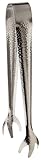
For safe handling, consider investing in a good pair of dry ice handling tongs.
2. Pre-chill your cooler: If possible, put your cooler in a cool place (like a garage or basement) overnight. A cold cooler works better.
- Good looks like: The cooler feels cool to the touch.
- Common mistake: Throwing warm food into a warm cooler. It’s fighting an uphill battle from the start.
3. Prepare your food: Freeze everything you want to keep frozen solid before packing. Pack items you’ll need first on top.
- Good looks like: All meats, ice packs, and frozen meals are rock solid.
- Common mistake: Packing food that’s only partially frozen. It won’t last as long.
4. Handle the dry ice: Put on your insulated gloves. Use tongs or a small shovel to move the dry ice. Never touch it with bare skin.
- Good looks like: You’re moving it safely and efficiently.
- Common mistake: Using bare hands and getting frostbite. It happens faster than you think.
5. Vent the cooler: Before adding dry ice, slightly crack the lid or use a vented cooler if you have one. Dry ice sublimates (turns directly from solid to gas), and this gas needs to escape.
- Good looks like: A small gap is open, allowing gas to escape.
- Common mistake: Sealing the cooler airtight. This can build up pressure and potentially cause the cooler to burst. Not ideal.
6. Place dry ice at the bottom: This is key for maximum cooling. The cold gas sinks.
- Good looks like: A solid layer of dry ice at the very bottom.
- Common mistake: Putting dry ice on top of food. It’s less effective and can freeze the top layer too much.
7. Pack food around the dry ice: Arrange your frozen food items on top of and around the dry ice. Fill in gaps with smaller frozen items or even regular ice packs.
- Good looks like: The cooler is packed snugly, minimizing air pockets.
- Common mistake: Overpacking or underpacking. Too much air means warmer air. Too little means the dry ice is less efficient.
To help fill gaps and provide additional cooling, reusable ice packs are a great option.

8. Add more dry ice if needed: For longer trips, you’ll need to add more dry ice throughout. Plan to add about 2-3 pounds every 24 hours, depending on the cooler size and ambient temperature.
- Good looks like: You have a plan for replenishing the dry ice supply.
- Common mistake: Underestimating how much dry ice you’ll need. You don’t want to run out on day two.
9. Keep the cooler closed: Only open the cooler when absolutely necessary. The less you open it, the longer it stays cold.
- Good looks like: You have a system for grabbing what you need quickly.
- Common mistake: Constantly peeking inside. Every time you open it, you lose cold air.
10. Monitor and replenish: Check the dry ice levels periodically. If it’s all gone, your food will start to thaw.
- Good looks like: You’re actively managing the dry ice supply.
- Common mistake: Forgetting to check and realizing your ice cream is soup.
Common mistakes (and what happens if you ignore them)
| Mistake | What it causes | Fix |
|---|---|---|
| Not wearing gloves when handling dry ice | Severe frostbite, skin damage | Always use thick, insulated gloves or tongs. |
| Sealing the cooler airtight | Pressure buildup, potential for cooler to burst, damage to cooler and contents | Vent the cooler slightly by cracking the lid or using a vented cooler. |
| Putting dry ice on top of food | Uneven freezing, top layer too cold, bottom layer not cold enough | Always place dry ice at the bottom of the cooler. |
| Not pre-chilling the cooler | Food thaws faster, dry ice sublimates quicker | Chill your cooler in a cool environment for several hours or overnight before packing. |
| Packing warm or partially frozen food | Reduced freezing time, increased risk of spoilage | Ensure all food is completely frozen solid before packing. |
| Opening the cooler too often | Loss of cold air, food thaws faster, dry ice depletes quicker | Minimize opening the cooler. Plan meals and grab items efficiently. |
| Underestimating dry ice needs | Food spoils, melted ice cream, wasted trip | Calculate your needs based on cooler size, ambient temperature, and trip duration. Plan to replenish. |
| Not having a plan for CO2 gas | Suffocation risk in enclosed spaces, potential for cooler damage | Always use in well-ventilated areas. Never store in car trunks or small, unventilated cabins. |
| Using a non-insulated cooler | Dry ice sublimates too quickly, food doesn’t stay frozen | Use a high-quality, well-insulated cooler designed for ice retention. |
| Not planning for waste/disposal | Environmental damage, potential fines, leaving a mess for others | Pack out all trash. Ensure dry ice has fully sublimated before disposal in a well-ventilated area. |
Decision rules (simple if/then)
- If your trip is less than 12 hours, then 1-2 pounds of dry ice might be enough for a small cooler because it’s a short duration.
- If you’re going for a full weekend (2-3 days), then plan for at least 2-3 pounds of dry ice per 24 hours because the duration demands more cooling power.
- If the ambient temperature is very high (over 80°F), then you’ll need more dry ice because the heat will accelerate sublimation.
- If your cooler is old and leaky, then you’ll need more dry ice because it won’t hold the cold as effectively.
- If you plan to open the cooler frequently, then you’ll need more dry ice because each opening releases cold air.
- If you’re transporting dry ice in a vehicle, then ensure the vehicle is well-ventilated because the carbon dioxide gas can displace oxygen.
- If you’re storing dry ice in a cabin, then make sure it’s a large, well-ventilated space because CO2 buildup is a hazard.
- If you’re unsure about the exact amount of dry ice needed, then err on the side of bringing a little extra because it’s better to have too much than too little.
- If your food is not completely frozen before packing, then it will not stay frozen for as long, regardless of the dry ice quantity.
- If you see frost building up excessively inside the cooler, then it’s a sign the dry ice is sublimating rapidly, and you might need to add more sooner than planned.
FAQ
How much dry ice do I need for a day trip?
For a single day trip, 2-5 pounds of dry ice is usually sufficient for a standard cooler, depending on how full it is and the ambient temperature.
Can I put dry ice in a regular Styrofoam cooler?
Yes, but it won’t last as long as in a high-quality insulated cooler. Styrofoam is a decent insulator, but it’s not as robust.
How do I dispose of leftover dry ice?
Leave it in a well-ventilated area (outdoors, away from people and pets) to sublimate completely. Never put it down a drain or in an enclosed space.
What’s the difference between dry ice and regular ice?
Dry ice is solid carbon dioxide, and it’s about -109.3°F (-78.5°C). Regular ice is frozen water and is 32°F (0°C). Dry ice provides much colder temperatures.
Can I put dry ice directly on food?
No, it’s too cold and can freeze and damage food. Always use a barrier like cardboard or pack food around it.
What are the dangers of dry ice?
The main dangers are frostbite from direct contact and asphyxiation from carbon dioxide gas buildup in poorly ventilated areas.
How long will dry ice keep food frozen in a chest freezer?
A chest freezer is designed for long-term cold. Dry ice in a chest freezer will keep food frozen for several days, but it will sublimate over time.
Should I leave the lid of the cooler slightly ajar when using dry ice?
Yes, it’s crucial to vent the cooler. Dry ice turns into gas, and if it can’t escape, the pressure can build up and cause damage.
Can I use dry ice for long-term food storage like a regular freezer?
No. While it keeps things frozen, it’s a temporary solution. It sublimates and will eventually run out. It’s not a replacement for a powered freezer.
What this page does NOT cover (and where to go next)
- Specific purchasing locations or current pricing for dry ice.
- Detailed food safety guidelines for thawed or partially thawed items.
- Recipes for camping meals that require specific frozen ingredients.
- Advanced cooler insulation techniques or modifications.
- Regulations regarding the transport of dry ice in commercial vehicles.

Camping Bob has spent over 20 years camping across the US — from BLM dispersed sites in the Southwest to KOA campgrounds in the Pacific Northwest. He writes practical, no-nonsense guides to help fellow campers get outdoors with confidence.