
Quick Guide To Setting Up Your Pop-Up Tent
Looking for a reliable pop-up tent for your next adventure? Consider this highly-rated model that sets up in minutes.
Quick answer
- Find a flat, clear spot. Seriously, this is key.
- Unpack and identify all poles and stakes. Know your gear.
- Spread the tent out, then pop the frame. It’s in the name, right?
- Stake it down securely. Wind is no joke out there.
- Set up the rainfly. Don’t get caught in a downpour unprepared.
- Organize your gear inside. Keep it tidy.
- Do a final check. Everything taut and secure? Good to go.
What to check first (do this before you drive out)
Before you even think about hitting the road, there are a few crucial things to nail down. This saves you headaches and keeps you safe.
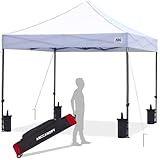
An instant pop up tent can save you valuable time, especially when you’re eager to start your trip. Make sure to check out models known for their quick setup.
- Land manager / legality: Who owns the land you’re planning to camp on? Is it National Forest, BLM, a State Park, or private land? Each has its own rules about camping, fires, and permits. A quick look at the managing agency’s website is usually all it takes. I once ended up on some private land thinking it was public. Awkward.
- Access/road conditions: Can your rig actually get there? Dirt roads can turn into mud pits. Low-clearance vehicles can get stuck on ruts or rocks. Check recent reports or call the ranger station if you’re unsure. Don’t be the guy who needs a tow truck.
- Fire restrictions + weather + wind: This is a big one. Fire bans are common, especially in dry seasons. Check local fire restrictions religiously. Also, look at the forecast. High winds can make setting up a pop-up tent a nightmare, and heavy rain means you need that rainfly locked down.
- Water plan + waste plan (Leave No Trace): Where are you getting water? Are you bringing it all? How will you pack out all your trash and human waste? Following Leave No Trace principles isn’t just good practice; it keeps wild places wild. Pack it in, pack it out.
- Safety (wildlife, distance to help, comms): Know what wildlife is in the area and how to store food properly. How far are you from a ranger station or town if something goes wrong? Do you have cell service? A satellite communicator is a smart bet for remote spots.
Step-by-step (field workflow)
Alright, you’ve done your homework. Now, let’s get that tent up.
1. Choose your spot: Find a flat, level area.
- Good looks like: A patch of ground free of rocks, roots, and low-hanging branches. It should drain well if it rains.
- Common mistake: Setting up on a slope. Your stuff rolls downhill, and you’ll wake up sliding. Just walk a few extra steps to find a better spot.
2. Unpack and inspect: Lay out all the parts.
- Good looks like: All poles, stakes, and the tent body are present and accounted for. No rips or missing bits.
- Common mistake: Rushing. You get to camp, realize a pole is bent, and now you’re improvising with duct tape. Always check your gear before you leave home.
3. Spread the tent: Lay the tent flat on your chosen spot.
- Good looks like: The tent is oriented correctly, with the door facing your preferred direction (away from the prevailing wind is smart).
- Common mistake: Laying it out crooked. This makes the next step harder and can lead to uneven tension later.
4. Pop the frame: This is the fun part. Grab the center of the frame and push upwards.
- Good looks like: The poles lock into place with a satisfying click. The tent structure stands up on its own.
- Common mistake: Forcing it. If it feels stuck, check that all the joints are aligned. Don’t yank.
5. Stake the corners: Secure the base of the tent.
- Good looks like: Stakes are driven in at a 45-degree angle, away from the tent, deep into the ground. The fabric is taut.
- Common mistake: Just pushing stakes in vertically. They pull out easily in wind. Angle them for maximum holding power.
6. Stake guylines (if applicable): Extend the tent’s stability.
- Good looks like: Guylines are attached to the tent and staked out away from the tent, creating tension.
- Common mistake: Not using guylines. They are crucial for wind resistance and keeping the rainfly taut.
7. Attach the rainfly: Drape it over the tent.
- Good looks like: The rainfly is oriented correctly (door/vents align), clipped or tied securely to the tent poles and corners.
- Common mistake: Putting it on backwards. You’ll find your rainfly doors don’t match your tent doors. Double-check the orientation.
8. Stake the rainfly: Secure its edges and guylines.
- Good looks like: The rainfly is taut, with no flapping. Water will run off easily.
- Common mistake: Leaving the rainfly loose. It can flap in the wind, making noise, and won’t shed water effectively.
9. Ventilation check: Open vents as needed.
- Good looks like: Vents are positioned to allow airflow but not let rain in directly.
- Common mistake: Sealing the tent up tight. Condensation is the enemy. Airflow is your friend.
10. Interior setup: Organize your sleeping bags and gear.
- Good looks like: Everything is inside, off the floor, and easily accessible.
- Common mistake: Leaving gear outside overnight. Critters love a free buffet.
11. Final tension check: Walk around and tug everything.
- Good looks like: No sagging fabric, no loose stakes. The tent looks solid.
- Common mistake: Skipping this. A slight sag can become a major problem in rain or wind.
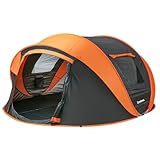
For a hassle-free setup, a quality pop-up tent like this one can make all the difference. Its intuitive design simplifies the ‘pop the frame’ step.
Common mistakes (and what happens if you ignore them)
| Mistake | What it causes | Fix |
|---|---|---|
| Setting up on uneven ground | You roll around all night; water pools inside. | Take the time to find a flat spot. It’s worth it. |
| Not checking gear before leaving home | Missing poles, bent frame, rips; forces improvisation. | Do a full setup in your yard before your trip. |
| Forcing the pop-up mechanism | Bent poles, broken connectors, damaged fabric. | Ensure all joints are aligned before pushing. If it’s stiff, find the obstruction. |
| Improper staking (vertical, loose) | Tent blows away in wind; stakes pull out. | Stake at a 45-degree angle, away from the tent, deep into the ground. Use guylines. |
| Incorrect rainfly orientation | Doors don’t align; rain gets in. | Match the rainfly door/vents to the tent door/vents. |
| Not using guylines | Tent is unstable in wind; rainfly sags. | Always attach and stake out guylines for maximum stability and proper water runoff. |
| Forgetting ventilation | Heavy condensation inside, making everything damp. | Open vents, even in cooler weather. Airflow prevents condensation. |
| Leaving food/gear unsecured outside | Attracts wildlife (bears, raccoons, rodents); damaged gear. | Store all food and scented items in a bear canister or vehicle. Keep the tent zipped. |
| Not checking fire restrictions | Accidental wildfire; fines; jail time. | Always verify current fire bans with the land manager before lighting any fire. |
| Ignoring weather forecasts | Getting caught in storms unprepared; tent damage; hypothermia. | Check the forecast before you leave and again at camp if possible. Be ready to adapt. |
| Not packing out all trash | Pollutes the environment; harms wildlife; ruins the experience for others. | “Pack it in, pack it out” is the golden rule. Leave no trace of your visit. |
| Setting up too close to water sources | Contaminates water; disturbs riparian habitats. | Camp at least 200 feet from lakes, rivers, and streams. |
Decision rules (simple if/then)
- If the ground is rocky, then use thicker stakes or find a different spot because sharp rocks can damage thin stakes and compromise holding power.
- If it’s windy, then stake down the tent body first, then the guylines, because this provides the most stable base before the wind can catch the fabric.
- If you see bear scat, then choose a different campsite or be extra vigilant about food storage because you are in bear country.
- If the forecast calls for rain, then ensure the rainfly is perfectly taut and all guylines are secured because a loose rainfly will pool water.
- If you’re setting up in a popular area, then arrive earlier in the day because the best spots go fast.
- If you’re unsure about road conditions, then call the local ranger station or check online forums because conditions can change rapidly.
- If you hear coyotes or other predators at night, then ensure your tent is zipped shut and food is stored properly because they are curious animals.
- If you plan to have a campfire, then confirm that campfires are allowed and gather only dead, downed wood because building fires is a privilege.
- If you’re setting up near a river or stream, then pitch your tent at least 200 feet away because of potential flash floods and environmental impact.
- If you only have a 2WD vehicle, then stick to well-maintained roads and avoid areas with known washouts or deep mud because getting stuck is a real hassle.
- If you’re setting up in bear country, then carry bear spray and know how to use it because it’s your best defense.
- If you see a “No Camping” sign, then respect it and find a designated area because trespassing can lead to fines and a bad reputation.
FAQ
How do I know if my pop-up tent is set up correctly?
Your tent should be taut, with no sagging fabric. Stakes should be secure, and guylines should provide tension. It should look and feel solid, not floppy.
What’s the best way to stake down a pop-up tent in windy conditions?
Use all available stake points, including guylines. Drive stakes in at a 45-degree angle away from the tent for maximum holding power. If the ground is soft, use larger rocks to help secure the stakes.
When facing windy conditions, an instant pop up tent with robust guylines and strong stakes is essential. This model offers excellent stability.
Can I set up a pop-up tent on sand?
Yes, but it’s trickier. Use longer, wider stakes designed for sand, or improvise by burying your stakes deep and anchoring them with rocks or logs.
What if I can’t get my pop-up tent to fully pop open?
Check for obstructions. Sometimes a pole might be misaligned, or a joint might not be fully extended. Gently try to find where it’s binding and correct it. Don’t force it.
How important is the rainfly on a pop-up tent?
Crucial. It’s your primary defense against rain and dew. Make sure it’s properly attached, taut, and oriented correctly.
Should I always use guylines?
For pop-up tents, absolutely. They add significant stability against wind and help keep the rainfly properly shaped for water runoff.
What’s the quickest way to take down a pop-up tent?
Reverse the setup process. Release tension, detach the rainfly, collapse the frame by pushing the center joint downwards, and then fold it according to the manufacturer’s instructions. Practice makes perfect.
How do I store my pop-up tent after use?
Ensure it’s completely dry to prevent mildew. Fold it neatly, ideally as instructed by the manufacturer, and store it in its original bag in a cool, dry place.
What this page does NOT cover (and where to go next)
- Specific campsite reservation systems and booking platforms.
- Detailed repair techniques for damaged tent poles or fabric.
- Advanced backcountry camping skills like navigation or advanced water purification.
- Regulations for specific national parks, state parks, or BLM lands (always check their official websites).
- Choosing the right size and type of tent for different conditions.

Camping Bob has spent over 20 years camping across the US — from BLM dispersed sites in the Southwest to KOA campgrounds in the Pacific Northwest. He writes practical, no-nonsense guides to help fellow campers get outdoors with confidence.