
The Science of Ice: How to Keep an Ice Cube from Melting
Quick answer
- Insulate. Wrap that ice cube like a mummy.
- Keep it in the shade. Direct sun is its arch-nemesis.
- Surround it with more ice. Density is your friend.
- Minimize air contact. Seal it up tight.
- Keep it still. Movement adds energy.
- Use a vacuum flask. It’s basically a portable freezer.
What to check first (do this before you drive out)
Before you even think about packing the cooler, you need to have a solid plan. This isn’t just about keeping your drinks cold; it’s about smart camping.
- Land manager / legality (who manages the land)
Who owns the dirt you’re camping on? Is it National Forest, BLM land, a State Park, or something else? Each has its own set of rules. A quick check on their official website or a call can save you a headache. I learned that lesson the hard way once, thinking I could just pull over anywhere. Nope.
- Access/road conditions (2WD vs AWD, clearance, mud/snow)
Can your rig actually get there? Don’t be that person stuck on a logging road in a minivan. Check recent reports if you can, or know your vehicle’s limits. If it’s a rough road, high-clearance 4×4 is usually the way to go.
- Fire restrictions + weather + wind
This is a big one, especially for ice. If it’s scorching hot, your ice is fighting a losing battle from the start. Check the forecast for temperature, but also for wind. Wind can really accelerate melting. And fire restrictions? Always check. Nothing ruins a trip like a ticket for a campfire when it’s banned.
- Water plan + waste plan (Leave No Trace)
Where’s your water coming from? Are you bringing it all, or filtering? And what about trash? Pack it in, pack it out. Especially meltwater – don’t just dump it wherever. It’s still water, but it can carry contaminants or just be unsightly.
- Safety (wildlife, distance to help, comms)
Know what critters are in the area. Bears? Snakes? Be prepared. Also, how far are you from the nearest town or ranger station? Cell service is often a myth out there. Have a plan for emergencies.
Step-by-step (field workflow)
This is how you actually deploy your ice-saving strategy in the wild. It’s all about minimizing heat transfer.
1. Start with cold, dense ice.
- What to do: Use large blocks of ice, not small cubes. Freeze your own blocks if you can, or buy them.
- What “good” looks like: A solid, heavy block that feels like it could last for days.
- Common mistake: Using a bunch of small cubes. They melt way faster because they have more surface area exposed to the air and warmer surroundings.
2. Pre-chill your cooler.
- What to do: Put it in a cool place (garage, basement) overnight. Then, pack it with sacrificial ice or frozen water bottles for a few hours before loading your main ice.
- What “good” looks like: The inside of the cooler feels cold to the touch before you even open it.
- Common mistake: Loading warm drinks and food directly into a room-temperature cooler. You’re wasting your good ice immediately just cooling down the cooler itself.
3. Layer your ice.
- What to do: Put a layer of ice on the bottom, then your items, then another layer of ice on top. Fill all the voids.
- What “good” looks like: No air pockets. Everything is snug against ice.
- Common mistake: Just tossing everything in and adding a few big chunks. Air is a terrible insulator.
4. Use a quality cooler.
- What to do: Invest in a well-insulated cooler. Rotomolded coolers are built for this.
- What “good” looks like: A cooler that feels substantial and has thick walls.
- Common mistake: Using a cheap, thin-walled cooler. It’s like trying to keep soup hot in a paper cup.
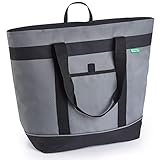
For optimal ice retention, consider investing in a high-quality insulated cooler bag or rotomolded cooler. They are designed to keep your contents colder for longer.
5. Minimize opening the cooler.
- What to do: Plan what you need before you open it. Get it in and out quickly.
- What “good” looks like: The cooler is opened only a few times a day, for short durations.
- Common mistake: Constantly digging through the cooler for one drink. Every time you open it, you let warm air in.
6. Keep the cooler in the shade.
- What to do: Place it under a picnic table, a tarp, or under a tree.
- What “good” looks like: The cooler’s surface is cool to the touch, not hot from the sun.
- Common mistake: Leaving it sitting out in direct sunlight all day. The sun is a relentless heat source.
7. Consider dry ice (with caution).
- What to do: If you need serious cold, dry ice works. Wrap it in newspaper or cardboard and place it on top of your items, not touching them directly.
- What “good” looks like: Your items are frozen solid but not freezer-burned.
- Common mistake: Handling dry ice with bare hands (frostbite risk) or putting it directly in a sealed, non-vented cooler (explosion risk due to gas buildup). Always ventilate.
8. Use frozen water bottles.
- What to do: Freeze water bottles and use them as ice packs. As they melt, you have drinking water.
- What “good” looks like: You have cold water readily available as your ice melts.
- Common mistake: Not accounting for the volume of meltwater. You can end up with a soggy mess if you don’t have a plan for it.
9. Insulate the cooler’s exterior.
- What to do: Wrap the cooler in a blanket or sleeping bag, especially at night.
- What “good” looks like: The cooler is further protected from ambient temperature fluctuations.
- Common mistake: Thinking the cooler’s insulation is enough on its own in extreme conditions. Every bit of extra insulation helps.
Even with a great cooler, adding an extra layer of insulation, like wrapping it in a blanket or using an insulated cooler bag cover, can significantly extend ice life.
10. Drain meltwater strategically.
- What to do: Drain off excess meltwater periodically, but not all of it. Some water helps keep the remaining ice cold.
- What “good” looks like: The cooler isn’t flooded, but there’s enough water to keep things submerged and chilled.
- Common mistake: Draining all the water too early. The ice needs to be in contact with cold water to stay frozen longer.
Common mistakes (and what happens if you ignore them)
| Mistake | What it causes | Fix |
|---|---|---|
| Using small ice cubes | Rapid melting, warm drinks quickly | Use large blocks of ice. |
| Not pre-chilling the cooler | Wasted ice cooling down the cooler | Chill the cooler beforehand. |
| Leaving cooler in direct sunlight | Accelerated melting, hot contents | Keep cooler in shade. |
| Constantly opening the cooler | Heat exchange, ice loss | Plan access, open quickly. |
| Packing a warm cooler | Ice melts fast to cool down contents | Pack with cold items only. |
| Not filling air gaps | Heat transfer through air | Pack ice tightly, fill voids. |
| Using a cheap, thin-walled cooler | Poor insulation, rapid melting | Invest in a quality cooler. |
| Not planning for meltwater | Soggy food, wasted drinking water | Use frozen water bottles, drain strategically. |
| Not accounting for ambient temperature | Ice melts faster than expected | Overpack ice, add insulation. |
| Not considering wind chill | Increased heat transfer | Shield cooler from wind. |
| Improper dry ice handling | Frostbite, potential cooler explosion | Use gloves, ensure ventilation. |
Decision rules (simple if/then)
- If the trip is longer than 2 days, then use block ice because it melts much slower than cubes.
- If you’re car camping, then bring more ice than you think you’ll need because you can always use it to keep things cold longer.
- If the weather forecast shows high temperatures, then plan to keep your cooler in the deepest shade you can find because the sun is your biggest enemy.
- If you have a lot of different items to access, then organize your cooler with the items you’ll need last at the bottom and the items you’ll need first on top because this minimizes digging.
- If you’re worried about food safety, then aim to keep the inside of your cooler at 40°F (4°C) or below because this is the safe zone for most perishables.
- If you’re going on a short day trip, then frozen water bottles might be sufficient because they serve dual duty as ice packs and drinking water.
- If you’re concerned about the weight, then consider using a mix of block ice and cubed ice because block ice lasts longer and cubed ice fills gaps.
- If you’re camping in a very hot climate, then consider a separate cooler for drinks and one for food because you’ll likely access drinks more often, and keeping the food cooler sealed longer is crucial.
- If you’re using a soft-sided cooler, then reinforce it with an insulated wrap because they generally offer less insulation than hard-sided ones.
- If you have a long drive to your campsite, then pack your cooler as full as possible because a full cooler has less air space, which means slower melting.
If you’re using a soft-sided cooler, consider reinforcing it with an insulated cooler bag or wrap, as they generally offer less insulation than hard-sided options.
FAQ
How much ice do I need?
It depends on the cooler size, ambient temperature, how often you open it, and the duration of your trip. A general rule for a weekend trip in moderate weather is about 1-2 pounds of ice per person per day, but always err on the side of more.
Should I drain the meltwater?
You don’t need to drain all of it. Some water can actually help keep the remaining ice cold by submerging it. However, you don’t want your cooler to be flooded, so drain off excess water periodically.
Can I put ice directly on food?
Yes, but be mindful of what you’re packing. Ice can make things soggy. For delicate items, use waterproof containers or a layer of plastic wrap.
What’s the difference between block ice and cubed ice?
Block ice melts much slower because it has less surface area relative to its volume. Cubed ice melts faster but is good for filling in gaps.
How long will ice last in a cooler?
This varies wildly. A good quality cooler kept closed and in the shade can keep ice for 3-5 days, sometimes longer. Cheap coolers might only last a day or two.
Is there anything better than ice?
For extreme cold, dry ice is an option, but it requires special handling and ventilation. For most camping, good quality ice in a good cooler is sufficient.
What about those reusable ice packs?
They’re okay for short trips or keeping things cool, but they generally don’t last as long as real ice, especially in warm weather.
Can I refill my ice during a trip?
If you’re near a town or a campground store, yes. But if you’re deep in the backcountry, you need to pack enough for the entire duration.
What this page does NOT cover (and where to go next)
- Detailed campsite reservation systems.
- Specific regulations for national parks or wilderness areas.
- Advanced food preservation techniques beyond keeping things cold.
- Recipes for meals that require ice-cold ingredients.
- The physics of phase transitions in extreme laboratory conditions.