
The Best Way to Pack a Cooler
Quick answer
- Chill your cooler before you pack it.
- Pack it full, solid is better than air.
- Use block ice or frozen water bottles.
- Pack food in waterproof containers.
- Organize by meal or food type.
- Keep it in the shade.
- Don’t drain the meltwater.
What to check first (do this before you drive out)
Before you even think about loading up, get a lay of the land.
- Land manager / legality: Who actually owns this patch of dirt? Is it National Forest, BLM land, a state park, or private? Each has its own rules for camping, fires, and even where you can park. A quick peek at the managing agency’s website is key. I learned that the hard way once, thinking a spot was open when it was actually closed for restoration. Oops.
- Access/road conditions: How are you getting there? Is it a paved road, a gravel track, or a boulder-strewn nightmare? Know your vehicle’s limits. A 2WD sedan won’t cut it on a muddy forest road after a rain. Check recent reports if you can.
- Fire restrictions + weather + wind: This is a big one. Are campfires allowed? Are there burn bans? Check the local fire danger level. Also, look at the forecast. High winds can make a campfire dangerous, and extreme heat means your ice won’t last as long.
- Water plan + waste plan (Leave No Trace): Where will you get water if you need it? Are you packing it all in? What about trash and human waste? LNT principles are non-negotiable. Pack out everything you pack in, and know how to deal with human waste responsibly.
- Safety (wildlife, distance to help, comms): What kind of critters are in the area? Bears? Snakes? Know what to do and how to store food properly. How far is the nearest ranger station or town? Do you have cell service? A satellite communicator is a good idea for remote spots.
Step-by-step (field workflow)
Here’s how to get your cooler dialed in for the trip.
1. Pre-chill the cooler:
- What to do: Bring your cooler inside for a day or two before you pack it. Let it sit in AC.
- What “good” looks like: The inside of the cooler feels cold to the touch.
- Common mistake: Packing a warm cooler. It wastes a ton of ice melting just to cool the cooler itself.
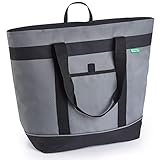
For optimal ice retention, consider investing in a high-quality insulated cooler like this one, which will keep your contents colder for longer.
2. Gather your ice:
- What to do: Plan for more ice than you think you need. Block ice lasts longer than cubes. Frozen water bottles are great because they become drinking water as they melt.
- What “good” looks like: You have a mix of block ice and smaller ice packs or frozen bottles.
- Common mistake: Underestimating how much ice you’ll need, especially on hot trips.
Don’t forget freezer water bottles; they serve as both ice and refreshing drinks as they melt.

Alongside block ice, reusable ice packs are excellent for maintaining cold temperatures and can be refrozen for future trips.

3. Pack a layer of ice:
- What to do: Put a layer of ice on the bottom of the cooler.
- What “good” looks like: The bottom of the cooler is covered in ice.
- Common mistake: Skipping this step and putting warm food directly on the bottom.
4. Organize food:
- What to do: Pack food in waterproof containers or resealable bags. Group items by meal or food type.
- What “good” looks like: Everything is sealed, preventing leaks and cross-contamination. Meals are grouped for easy access.
- Common mistake: Not sealing food properly, leading to soggy sandwiches and a mess.
5. Pack food and drinks:
- What to do: Place your heaviest items on the bottom. Pack denser, less-used items below.
- What “good” looks like: The cooler is packed tightly, with minimal air pockets.
- Common mistake: Leaving large empty spaces. Air is the enemy of cold.
6. Add more ice:
- What to do: Fill in the gaps with ice. Aim to have ice surround your food.
- What “good” looks like: The cooler is packed solid with food and ice.
- Common mistake: Not filling all the voids with ice.
7. Add a top layer of ice:
- What to do: Cover everything with a final layer of ice.
- What “good” looks like: The top is covered, creating a cold seal.
- Common mistake: Leaving the top layer of ice out.
8. Secure the lid:
- What to do: Close the lid tightly. If it’s a long trip, consider a tarp or blanket over the cooler to add insulation.
- What “good” looks like: The lid is sealed shut.
- Common mistake: Leaving the lid ajar.
9. Keep it cold:
- What to do: Store the cooler in the coolest spot possible – out of direct sun, ideally under a picnic table or covered by a blanket.
- What “good” looks like: The cooler is in shade and protected from heat.
- Common mistake: Leaving the cooler in direct sunlight all day.
10. Manage meltwater:
- What to do: Don’t drain the meltwater. It’s colder than the air inside the cooler and helps keep things frozen. Only drain if it’s getting too full or your food is submerged.
- What “good” looks like: The meltwater is helping to insulate the remaining ice.
- Common mistake: Draining the meltwater too early, which warms up the cooler.
Common mistakes (and what happens if you ignore them)
| Mistake | What it causes | Fix |
|---|---|---|
| Packing a warm cooler | Rapid ice melt, food spoils faster. | Pre-chill the cooler overnight. |
| Not enough ice | Food thaws, drinks get warm, potential for spoilage. | Bring more ice than you think you’ll need. |
| Leaving air pockets | Warmer air circulates, melts ice faster, less efficient cooling. | Pack the cooler full, use towels or crumpled paper to fill voids. |
| Not sealing food properly | Soggy food, cross-contamination, leaks, messes. | Use waterproof containers or heavy-duty resealable bags. |
| Storing cooler in direct sunlight | Ice melts extremely fast, food temperature rises, risk of spoilage. | Keep the cooler in the shade, cover it with a blanket or tarp. |
| Draining meltwater too soon | Loses its insulating effect, ice melts faster. | Leave meltwater in the cooler until absolutely necessary. |
| Opening the cooler too often | Lets cold air escape, warm air enters, melts ice faster. | Plan your meals and grab everything needed at once. |
| Putting warm items in the cooler | Raises the internal temperature, melts surrounding ice, warms up other food. | Chill or freeze all food and drinks before packing. |
| Using large, unwieldy ice blocks | Hard to pack around food, can shift and create gaps. | Use a mix of block ice and smaller ice packs or frozen bottles. |
| Not considering cooler size | Overpacked cooler strains hinges, underpacked cooler has too much air. | Choose a cooler size appropriate for your trip length and group size. |
Decision rules (simple if/then)
- If the trip is longer than 3 days, then use block ice because it melts slower than cubes.
- If you’re car camping and have space, then bring two coolers: one for drinks and one for food, because this reduces how often the food cooler is opened.
- If the weather forecast is hot, then bring extra ice and consider frozen water bottles because they double as drinking water.
- If you’re packing raw meat, then put it in a sealed, waterproof container at the bottom of the cooler because it prevents leaks and cross-contamination.
- If you have a hard-sided cooler, then consider wrapping it in a blanket or tarp for extra insulation because it adds another layer against heat.
- If you’re going to be away from your vehicle for extended periods, then pack a high-quality, insulated cooler because it will keep ice longer.
- If you plan to drink the meltwater, then use only food-grade water containers for freezing and make sure your ice is clean, because you don’t want to drink contaminated water.
- If you’re going on a short day trip, then a small, pre-chilled cooler with a few frozen water bottles might be all you need, because it’s simpler and lighter.
- If you’re concerned about food safety, then invest in a cooler with a good seal and insulation, because the better the cooler, the longer your food stays cold.
- If you are packing delicate items like berries, then place them on top of other food, surrounded by ice, because they are more likely to get crushed.
- If you are going to be hiking into a remote spot, then freeze as much as possible beforehand, and consider freeze-dried meals to save cooler space and weight.
- If you are unsure about the temperature of your food, then use a food thermometer to check critical items like meat, because safety first.
If you’re going to be away from your vehicle for extended periods, then pack a high-quality, insulated cooler like this one because it will keep ice longer.
FAQ
How much ice do I need?
A good rule of thumb is 1-2 pounds of ice per person per day, but this can vary wildly with cooler quality and weather. Always bring extra.
Should I drain the water?
Generally, no. The cold meltwater helps keep the remaining ice insulated. Only drain if your food is getting soggy or the cooler is too full.
What’s the difference between block ice and cubed ice?
Block ice melts much slower than cubes because it has less surface area exposed. Cubes cool things down faster initially but melt out quicker.
How do I keep my cooler cold longer?
Pre-chill it, pack it full, keep it in the shade, and limit how often you open it. Simple steps make a big difference.
Can I put warm food in the cooler?
It’s best not to. Warm food will raise the temperature inside the cooler and melt your ice faster. Chill or freeze everything first.
What’s the best way to organize my cooler?
Pack by meal or food type. Keep frequently accessed items like drinks near the top. Raw meats should always be at the bottom.
How long will my ice last?
This depends heavily on the cooler’s quality, how often it’s opened, and the ambient temperature. A good cooler in moderate conditions might hold ice for 3-5 days.
Should I use dry ice?
Dry ice is extremely cold and can freeze food solid, which isn’t always desirable. It also requires special handling and ventilation. For most camping, regular ice is safer and easier.
What this page does NOT cover (and where to go next)
- Specific cooler models and their performance reviews.
- Advanced food preservation techniques for long-term wilderness trips.
- Recipes designed for cooler camping.
- Detailed guides on bear-resistant food storage (though it’s a crucial topic!).
- The physics of thermodynamics and insulation.

Camping Bob has spent over 20 years camping across the US — from BLM dispersed sites in the Southwest to KOA campgrounds in the Pacific Northwest. He writes practical, no-nonsense guides to help fellow campers get outdoors with confidence.