
How to Camp For Free: Step-by-Step Guide
Quick answer
- Look for dispersed camping on public lands managed by agencies like the US Forest Service (USFS) and Bureau of Land Management (BLM).
- Understand that “free camping” usually means primitive camping – no amenities. Pack it in, pack it out.
- Always check land manager rules and fire restrictions before you go.
- Scout potential spots from the road or using online maps that show public land boundaries.
- Be prepared for self-sufficiency: water, waste, shelter, and safety.
- Practice Leave No Trace principles religiously.
What to check first (do this before you drive out)
Before you even think about packing the car, hit the books. Or, you know, the internet.
- Land manager / legality: Who actually owns and manages the land you’re eyeing? This is crucial. In the US, the US Forest Service (USFS) and Bureau of Land Management (BLM) are your best friends for free camping. National Parks and some state lands have stricter rules, often requiring fees or permits. A quick search for “[Agency Name] dispersed camping regulations” will get you the basics. I always double-check the specific forest or district’s website.
- Access/road conditions: Is that dirt road leading to your dream spot actually passable? Don’t assume your sedan can handle it. Look for information on road status, especially after rain or snow. High-clearance vehicles or 4WD might be necessary. Mud can be a real pain, trust me. I once got my truck stuck for a solid hour trying to reach a supposedly “easy” spot.
- Fire restrictions + weather + wind: This is non-negotiable. Fire bans are common, especially in dry seasons. Check the current restrictions for the specific area. Weather can change fast in the backcountry. High winds can make campfires dangerous even if allowed, and can ruin your night’s sleep. Pack layers and a good rainfly.
- Water plan + waste plan (Leave No Trace): Free camping usually means no water spigots and no toilets. You need to bring all your water or have a reliable filtration/purification method. For waste, human and otherwise, you’re packing it all out. Know how to properly dispose of human waste (catholes or wag bags) and pack out all trash, including food scraps.
- Safety (wildlife, distance to help, comms): Are there bears? Mountain lions? Know the local wildlife and how to store food properly. How far is the nearest town or ranger station? Cell service is usually nonexistent. Let someone know your itinerary and when you expect to be back. A satellite communicator is a good investment if you plan on going deep.
Step-by-step (field workflow)
Alright, you’ve done your homework. Now it’s time to execute.
1. Locate potential areas: Use maps (like onX Hunt, Gaia GPS, or even free USGS maps) to identify public land parcels. Look for areas marked as National Forest or BLM land.
- Good looks like: Clear boundaries on your map showing where you can legally camp.
- Common mistake: Assuming all undeveloped land is free for camping. You can trespass easily if you’re not careful.
2. Check specific regulations: Once you have a general area, find the specific USFS or BLM district website. Look for dispersed camping rules, fire bans, and any area closures.
- Good looks like: A clear statement on the agency’s website confirming dispersed camping is allowed and outlining any specific rules.
- Common mistake: Relying on old information or general knowledge. Rules change, especially fire restrictions.
3. Scout access roads: Drive to the area and assess the road conditions. Look for established pull-offs or clearings that suggest previous camping.
- Good looks like: A road that your vehicle can handle without risk of getting stuck or damaging the vehicle.
- Common mistake: Driving down a rough road without knowing if you can turn around or get back out.
4. Identify a legal campsite: Look for a spot that is at least 100-200 feet from water sources (lakes, streams, rivers) and established trails. Avoid sensitive vegetation.
- Good looks like: A durable surface (like dirt or gravel) that shows minimal impact from previous use, away from water.
- Common mistake: Camping right on a stream bank or in a meadow that could be damaged.
5. Set up camp: Unpack your gear and establish your living space. This includes your tent, sleeping area, and cooking zone.
- Good looks like: A clean, organized camp that minimizes your footprint.
- Common mistake: Spreading out too much, creating unnecessary impact.
6. Manage water: If you brought water, keep it secure. If you’re filtering, find a suitable water source away from your campsite and camp latrine.
- Good looks like: Having enough potable water for your entire stay and properly treating any water you collect.
- Common mistake: Drinking untreated water or contaminating your water supply.
7. Prepare and cook food: Cook away from your sleeping area, ideally on a camp stove. Store all food, scented items, and trash securely to prevent attracting wildlife.
- Good looks like: Cooking and eating in a designated area, with all food and trash properly stored (bear canister, car, or bear bag).
- Common mistake: Leaving food or scented items accessible, which can lead to dangerous wildlife encounters.
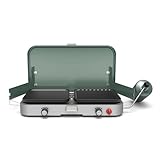
When preparing and cooking food, a reliable camping stove like the [Product Name] is essential for safe and efficient meal preparation, especially when campfires are restricted.
8. Manage waste: Pack out everything. This includes all trash, food scraps, and toilet paper. Use a wag bag for human waste if catholes aren’t appropriate or allowed.
- Good looks like: A clean campsite with no visible trash or human waste.
- Common mistake: Burying trash or leaving toilet paper behind. Bears and other animals will dig it up.
9. Enjoy your surroundings: Relax, hike, read, whatever you came to do. Be aware of your surroundings and wildlife.
- Good looks like: Appreciating nature responsibly.
- Common mistake: Leaving camp unattended for extended periods with food accessible.
10. Break down camp: Pack up all your gear meticulously. Do a final sweep of the campsite for any forgotten items or trash.
- Good looks like: Leaving the campsite looking as if you were never there.
- Common mistake: Leaving behind small items like bottle caps or tent stakes.
11. Leave No Trace: Ensure the site is cleaner than you found it. Scatter any natural materials you may have disturbed.
- Good looks like: A pristine site that invites the next person to do the same.
- Common mistake: Not doing a final LNT check.
12. Report issues (optional but good): If you find an issue like illegal dumping or a damaged site, consider reporting it to the land manager.
- Good looks like: Helping preserve these places for others.
- Common mistake: Ignoring problems that degrade the area.
Common mistakes (and what happens if you ignore them)
| Mistake | What it causes | Fix |
|---|---|---|
| Camping too close to water sources | Water contamination, damage to riparian areas, attracting wildlife to camp | Camp at least 100-200 feet from lakes, streams, and rivers. |
| Not checking fire restrictions | Illegal campfire, wildfire, fines, jail time, environmental devastation | Always verify current fire restrictions with the land manager before and during your trip. |
| Leaving food or trash accessible | Attracts wildlife, habituates animals to humans, dangerous encounters | Store all food, scented items, and trash securely (bear canister, car, bear bag). |
| Driving off-road to find a spot | Vehicle damage, soil erosion, habitat destruction, illegal activity | Stick to designated roads and trails. If a road is impassable, find another spot. |
| Not packing out all trash | Pollutes the environment, attracts scavengers, ruins the experience for others | Use trash bags and pack out <em>everything</em>, including food scraps and hygiene products. |
| Not having a plan for human waste | Contaminates water, spreads disease, creates an eyesore | Use catholes (6-8 inches deep, 200 feet from water) or pack-out systems (wag bags). |
| Assuming a road is passable | Getting stuck, vehicle damage, stranding yourself | Scout roads beforehand, know your vehicle’s limits, and have recovery gear if necessary. |
| Not telling anyone your plans | Delayed rescue if something goes wrong, increased personal risk | Share your itinerary, expected return time, and location with a trusted person. |
| Disregarding wildlife signs | Dangerous encounters with animals, injury to yourself or the animal | Learn about local wildlife, maintain distance, and never feed wild animals. |
| Campfires left unattended | Wildfire, destruction of property and habitat | Never leave a fire unattended, and ensure it is completely out (cold to the touch) before leaving. |
Decision rules (simple if/then)
- If the land manager is the National Park Service or a State Park with no specific dispersed camping allowance, then do not camp there for free because it’s likely prohibited or requires fees/permits.
- If there are “No Camping” signs, then do not camp there because it’s explicitly forbidden.
- If the road is muddy and you don’t have 4WD, then find another spot because you’ll likely get stuck.
- If fire restrictions are in place for your area, then do not build a campfire because it’s illegal and dangerous.
- If you are within 100 feet of a water source, then move your camp because you are too close and impacting the environment.
- If you see wildlife, then maintain a safe distance and do not feed it because it’s for your safety and theirs.
- If you don’t have a way to properly store food, then don’t camp in bear country because it’s a safety risk.
- If you can’t see the bottom of your campfire pit after it’s “out,” then it’s not out enough; add more water and stir.
- If you’re unsure about land boundaries, then err on the side of caution and camp on clearly designated public land or find a paid campground.
- If you are leaving your campsite, then do a final sweep for any trash or forgotten items because leaving anything behind defeats the purpose of free camping.
- If you don’t have a way to filter or purify water, then bring enough potable water for your entire trip because you can’t rely on finding safe drinking water.
- If you can’t get cell service, then don’t rely on your phone for emergencies and ensure someone knows your plans.
FAQ
Q: Is “dispersed camping” the same as “free camping”?
A: Generally, yes. Dispersed camping is camping outside of designated campgrounds on public lands where it’s permitted. It’s usually free but lacks amenities.
Q: Where can I find maps of public land?
A: Many apps like onX Hunt, Gaia GPS, and even Google Maps can show public land boundaries. Official USFS and BLM websites often have downloadable maps too.
Q: What if I can’t find a good spot?
A: It happens. Have a backup plan. This might mean a low-cost campground or adjusting your destination. Sometimes a little driving further down a less-traveled road pays off.
Q: How do I know if I’m on BLM or USFS land?
A: Look for signage at road entrances or consult your maps. BLM lands are often more rugged and remote, while USFS lands are typically forested.
Q: What are the biggest risks of free camping?
A: The main risks are getting lost, vehicle issues, wildlife encounters, and not being prepared for self-sufficiency (water, waste, shelter).
Q: Can I have a campfire when free camping?
A: Only if it’s explicitly allowed by the land manager and not under a fire ban. Always check current restrictions and be extremely cautious.
Q: Do I need a permit for dispersed camping?
A: Usually, no permit is required for basic dispersed camping on USFS and BLM lands, but always check the specific area’s regulations. Some areas might have special permits for campfires or specific activities.
Q: What if I encounter someone else camping for free?
A: Be respectful. Keep a reasonable distance, keep noise down, and share the space if needed. Most free campers are happy to coexist.
What this page does NOT cover (and where to go next)
- Specific campsite locations (you gotta do some digging!).
- Detailed gear reviews for backcountry survival.
- Advanced navigation techniques beyond basic map reading.
- Permit requirements for specialized activities like hunting or fishing.
- Detailed Leave No Trace training (seek out official LNT resources).
- How to handle complex legal issues or disputes with authorities.

Camping Bob has spent over 20 years camping across the US — from BLM dispersed sites in the Southwest to KOA campgrounds in the Pacific Northwest. He writes practical, no-nonsense guides to help fellow campers get outdoors with confidence.