
Storing Food Safely in Bear Country
Quick answer
- Know your bear species. Black bears and grizzlies have different habits.
- Never store food, toiletries, or anything scented in your tent. Ever.
- Use bear-resistant containers (BRCs) or bags where required or recommended.
- Hang your food bag properly if BRCs aren’t an option. It needs to be high and far from the trunk.
- Cook and eat away from your sleeping area, ideally 100 yards or more.
- Clean up thoroughly. Wash dishes and pack out all trash.
- Keep a clean camp. Don’t leave anything unattended, even for a minute.
What to check first (do this before you drive out)
Before you even load the car, you gotta get your ducks in a row. This isn’t just about packing the right gear; it’s about knowing the lay of the land and the rules of the road.
- Land manager / legality: Who’s in charge out there? Is it National Forest, BLM, a National Park, or state land? Each has its own regulations. Some areas mandate specific storage methods like approved bear canisters. Others might just offer recommendations. Always check the official website for the specific ranger district or park. This is your first line of defense against getting a ticket or, worse, attracting unwanted attention.
- Access/road conditions: Can your rig actually get you to where you want to camp? Some backcountry roads are rough. Think high-clearance vehicles, maybe 4WD, and definitely check for recent weather impacts. Mudslides, snow, or washouts can turn a planned route into a dead end. Don’t be that person who gets stuck miles from anywhere.
- Fire restrictions + weather + wind: This is a biggie. Check current fire bans. Seriously. A carelessly discarded ember can ruin everyone’s day, not to mention the forest. Also, get the weather forecast. High winds can mess with your food hang, making it unstable. Extreme heat or cold means you need to plan your food accordingly, and temperature can affect how potent those delicious smells are.
- Water plan + waste plan (Leave No Trace): How will you get water? Will you filter, boil, or use tablets? And what about your waste? Pack it in, pack it out. This includes food scraps, wrappers, and anything else you bring with you. A clean camp is a safe camp, and it’s a happy camp for wildlife.
- Safety (wildlife, distance to help, comms): Know what wildlife you might encounter. Bears are the focus here, but other critters are curious too. Figure out how far you are from the nearest ranger station or town. Cell service is usually a myth in the backcountry. Let someone know your itinerary and when you expect to be back. A satellite messenger can be a lifesaver.
Step-by-step (field workflow)
Alright, you’re at the trailhead or the campsite. Time to put theory into practice. This is about making smart moves from the get-go.
1. Arrive and assess your immediate surroundings.
- What to do: Look for established campsites. If dispersed camping, pick a spot that’s already been impacted or is a good distance from water sources and game trails.
- What “good” looks like: A clear, flat spot that minimizes impact on vegetation. It’s not right on top of a berry patch or a visible animal path.
- Common mistake: Setting up camp right next to a stream or a patch of tempting berries. Bears love those spots too. You’re basically inviting them over for dinner.
2. Designate a “kitchen” area.
- What to do: Choose a spot for cooking and eating that is at least 100 yards (or 300 feet) downwind from your sleeping area.
- What “good” looks like: A separate, open area where you can easily clean up and where smells are less likely to drift towards your tent.
- Common mistake: Cooking and eating right next to your tent. Those smells linger, and guess who notices?
3. Secure all scented items immediately.
- What to do: Everything with a smell – food, trash, toothpaste, sunscreen, even that chapstick – goes into your bear-resistant container (BRC) or bear bag system.
- What “good” looks like: All items are inside the approved container, and the lid is securely latched. If using a bag, it’s packed tightly.
- Common mistake: Leaving that bag of trail mix on the picnic table “just for a second” while you set up the tent. Bears have a great sense of smell and zero concept of “just a second.”
4. Use a bear-resistant container (BRC) if available/required.
- What to do: Pack all food and scented items inside the BRC. Close and latch it securely according to the manufacturer’s instructions.
- What “good” looks like: The latches are engaged, and the container is closed. It’s designed to be difficult for bears to open.
- Common mistake: Not closing the lid all the way or leaving it slightly ajar. A bear can often nudge or pry open a poorly secured container.
5. If hanging food, do it correctly.
- What to do: Find two sturdy trees at least 15 feet apart. Use a strong rope to hang your food bag. The bag needs to be at least 10–12 feet off the ground, and at least 4–6 feet away from the tree trunk.
- What “good” looks like: The bag is suspended high and wide, making it impossible for a bear to reach from the ground or by climbing the tree. It should swing freely.
- Common mistake: Hanging the bag too low, too close to the trunk, or using a weak branch that might break. Bears are surprisingly agile climbers.
For reliable food hanging, consider a durable bear bag hang kit. It provides all the necessary components for a secure setup.

6. Cook and eat your meals.
- What to do: Prepare and consume your food in your designated kitchen area.
- What “good” looks like: You’re actively cooking and eating in the safe zone, not near your sleeping quarters.
- Common mistake: Snacking in your tent or bringing food wrappers back to your tent to “deal with later.”
7. Clean up immediately and thoroughly.
- What to do: Wash all dishes, utensils, and cooking gear with biodegradable soap. Strain dishwater and scatter it away from camp and water sources (but never pour it directly into water). Pack out all food scraps and trash.
- What “good” looks like: No lingering food smells on your gear or in the air. All waste is contained and ready to be packed out.
- Common mistake: Leaving dirty dishes to soak overnight or thinking small food scraps don’t matter. Bears can smell a single crumb.
8. Store your BRC or food bag properly overnight.
- What to do: If using a BRC, place it at least 100 yards from your tent, downwind if possible. If hanging, ensure it’s still secure. Never keep it in your car unless it’s a bear-proof vehicle-certified model (rare).
- What “good” looks like: Your food is stored out of sight and smell range of your sleeping area, and in a way that is inaccessible to bears.
- Common mistake: Storing food in your tent or car. Your car is NOT a bear-proof vault unless specifically certified. Your tent is a giant food-scented sleeping bag for a bear.
9. Dispose of trash properly.
- What to do: Pack out all trash, including wrappers, food scraps, and anything else you brought in.
- What “good” looks like: Your campsite is cleaner than you found it. All waste is secured in your pack or BRC.
- Common mistake: Burying trash or leaving it behind. Bears will dig it up, and it pollutes the environment.
10. Be aware of your surroundings.
- What to do: Keep an eye out for bear signs (scat, tracks, claw marks). Make noise while hiking, especially in dense brush or near streams.
- What “good” looks like: You’re alert and taking basic precautions to avoid surprising wildlife.
- Common mistake: Hiking in silence with headphones, making it easy to stumble upon a bear.
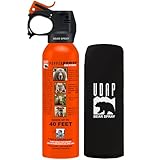
While prevention is key, carrying bear spray can offer an essential layer of protection in unexpected encounters. Make sure you know how to use it effectively.
Common mistakes (and what happens if you ignore them)
| Mistake | What it causes

Camping Bob has spent over 20 years camping across the US — from BLM dispersed sites in the Southwest to KOA campgrounds in the Pacific Northwest. He writes practical, no-nonsense guides to help fellow campers get outdoors with confidence.