
Properly Carry Bear Spray for Safety
Quick answer
- Keep it accessible: Don’t bury it in your pack. Holster it where you can grab it fast.
- Know how to use it: Practice drawing and deploying (without the actual spray, of course).
- Check the expiry date: Expired spray won’t work when you need it.
- Understand wind: Wind direction is crucial for effective deployment.
- Carry it always: When hiking, camping, or even just walking in bear country.
- Respect the spray: It’s a tool, not a toy. Keep it away from kids.
What to check first (do this before you drive out)
Before you even think about heading into bear country, get your head around a few things. This isn’t rocket science, but it pays to be prepared.
- Land manager / legality: Who’s in charge here? Is it the Forest Service, BLM, National Park Service, or a state park? Different agencies have different rules. Some might have specific requirements for carrying or using bear spray. Always check the official website for the specific area you’re visiting. You don’t want to get caught off guard by a local regulation.
- Access/road conditions: How are you getting there? Is the road paved, gravel, or a rough track? Do you need 4WD or high clearance? Mud, snow, or washouts can make a road impassable. Check recent reports if you can. A little research saves a lot of frustration, and sometimes a tow truck.
- Fire restrictions + weather + wind: Bears aren’t the only thing to worry about. Check for fire bans – you don’t want to be the reason for a wildfire. Look at the weather forecast. Extreme heat, heavy rain, or sudden storms can change your trip plans fast. And pay attention to wind. It matters a lot for bear spray.
- Water plan + waste plan (Leave No Trace): Do you have enough water? Where will you refill? And what about trash? Pack it in, pack it out. This is fundamental. No one wants to hike through someone else’s mess. Proper waste disposal keeps the place clean and prevents attracting wildlife.
- Safety (wildlife, distance to help, comms): You’re in bear country, so be bear aware. Know what to do if you see one. How far are you from the nearest ranger station or town? Do you have cell service? A satellite communicator is a good idea if you’re going deep. Always tell someone where you’re going and when you expect to be back.
Step-by-step (field workflow)
This is how you handle your bear spray when you’re out there. Simple, effective.
1. Select the right spray: Grab a can specifically labeled “bear spray” or “bear deterrent.” It’s formulated differently than pepper spray for self-defense.
- Good looks like: A can with a bold label, EPA registration number, and an expiry date that’s still in the future.
- Common mistake: Grabbing any old pepper spray. It might not be strong enough or have the right spray pattern for a charging bear. Avoid this by reading the label carefully.
When selecting your bear spray, ensure it’s specifically labeled as a bear deterrent. This bear deterrent spray is formulated for maximum effectiveness against bears.
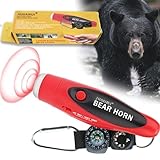
2. Check the expiry date: Locate the date printed on the can. Most are good for 3-4 years.
- Good looks like: A date well into the future. If it’s expired, it’s useless.
- Common mistake: Not checking the date at all. You might carry an inert canister thinking it’s live. Always give it a quick glance.
3. Choose your holster: Get a dedicated bear spray holster that fits your can. These are designed for quick access.
- Good looks like: A snug holster that allows you to draw the can smoothly and quickly without fumbling.
- Common mistake: Sticking the can in a pocket or a loose side pouch. It can fall out, get blocked, or take too long to retrieve.
A dedicated bear spray holster is essential for quick access. Consider pairing your bear deterrent spray with a reliable holster for optimal safety.
4. Mount the holster: Attach it securely to your hip belt, chest strap, or shoulder strap.
- Good looks like: The holster is firmly attached, positioned where your hand naturally falls. You should be able to reach it without looking.
- Common mistake: Attaching it to your backpack’s main straps where it’s inaccessible. If you need it, you’ll be digging around instead of defending yourself.
5. Practice drawing: With the holster on, practice drawing the can. Do it slowly at first, then speed up.
- Good looks like: A smooth, fluid motion from the holster to your hand. You can remove the safety clip easily.
- Common mistake: Fumbling with the can, getting your fingers caught, or not being able to unlock the safety mechanism. Dry runs build muscle memory.
6. Familiarize yourself with the safety clip: Most sprays have a twist-lock or flip-top safety mechanism. Understand how it works.
- Good looks like: You can disengage the safety with the same hand that’s holding the spray, in one smooth action.
- Common mistake: Struggling with the safety clip under stress. Take a moment to feel how it operates.
7. Carry it always: When you’re hiking, camping, fishing, or even just walking in bear habitat, have it on you.
- Good looks like: The spray is holstered and accessible from the moment you leave your vehicle until you return.
- Common mistake: Leaving it in the car or the tent. This is the most critical error. It’s useless if it’s not with you.
Always carry your bear deterrent spray when in bear country. It’s your primary defense against potential encounters.
8. Understand wind direction: Before you even think about deploying, know which way the wind is blowing.
- Good looks like: You can quickly assess wind direction by feeling it on your face or watching vegetation.
- Common mistake: Spraying directly into the wind, which blows the irritant back into your face. Always spray with the wind at your back or crosswind.
9. Know your range: Bear spray is effective up to about 30 feet, but best used closer.
- Good looks like: You can accurately deploy the spray at a distance where it will reach the bear.
- Common mistake: Waiting too long to deploy, allowing the bear to get too close. Or, deploying from too far away, where the spray might dissipate.
10. Keep it clean and dry: Ensure the nozzle isn’t blocked by dirt, debris, or snow.
- Good looks like: The nozzle is clear and ready to go. A quick wipe with a cloth if needed.
- Common mistake: Letting dirt or debris clog the nozzle. This can prevent a proper spray.
Common mistakes (and what happens if you ignore them)
| Mistake | What it causes | Fix |
|---|---|---|
| Not carrying bear spray | You’re defenseless if a bear charges. | Always carry it in bear country. Make it a habit. |
| Burying bear spray in your pack | Takes too long to access during a surprise encounter. | Use a holster and keep it on your hip or chest strap. |
| Using expired bear spray | The active ingredients lose potency, making it ineffective. | Check the expiry date on the can regularly. Replace if expired. |
| Not practicing drawing | Fumbling under pressure, wasting precious seconds. | Practice drawing the can smoothly and safely until it’s automatic. |
| Not understanding wind direction | Spray blows back on you, incapacitating you and leaving the bear unharmed. | Always check wind direction before deploying. Spray with the wind at your back. |
| Spraying from too far away | The spray dissipates before reaching the bear, reducing effectiveness. | Aim for a range of 10-30 feet. Closer is often better if safe. |
| Clogged nozzle | The spray won’t deploy properly, or at all. | Keep the nozzle clean and free of debris. Protect it from dirt and snow. |
| Using it on non-bear animals | Wastes spray, can be ineffective, and is unnecessary. | Bear spray is for bears. Know other methods for deterring smaller animals if needed. |
| Not knowing how to remove the safety | Wasting critical time trying to figure out the mechanism during an emergency. | Familiarize yourself with the safety clip (twist-lock, flip-top) before you need it. Practice removing it. |
| Not telling anyone your plans | If something happens, no one knows where to look for you. | Always leave a detailed itinerary with a trusted person. Include your expected return time. |
| Treating it like a toy | Accidental discharge, injury, or wasted spray. | Keep bear spray out of reach of children. Never point it at anything you don’t intend to spray. |
| Not checking local regulations | Potential fines or other penalties for improper carrying or use. | Always research the specific rules for the area you’re visiting, especially regarding bear spray. |
Don’t make the mistake of not carrying bear spray. This bear deterrent spray is a crucial tool for your safety in the wilderness.
Decision rules (simple if/then)
- If you are hiking in known bear habitat, then carry bear spray because it’s your best defense.
- If your bear spray is expired, then replace it immediately because it won’t work when you need it.
- If you see a bear, then assess the situation calmly before reaching for your spray because not all encounters require deployment.
- If a bear is approaching you closely and aggressively, then deploy your bear spray because it’s time to defend yourself.
- If the wind is blowing towards you, then do not deploy bear spray because it will incapacitate you.
- If you are in dense brush or poor visibility, then be extra vigilant and keep your spray accessible because surprise encounters are more likely.
- If you are hiking with a group, then stay together because a group is generally safer than an individual.
- If you are carrying bear spray, then make sure it’s in a holster on your hip or chest because you need instant access.
- If you hear reports of recent bear activity, then be extra cautious and make noise while hiking because you want to avoid surprising a bear.
- If you are unsure about bear behavior, then consult park ranger information or reputable wildlife guides because knowledge is power.
- If you deploy bear spray, then have a plan to retreat safely after spraying because the bear may still be agitated.
- If you are camping, then store food and scented items properly away from your tent because you don’t want to attract bears to your campsite.
FAQ
Q: How close do I need to be to use bear spray?
A: Bear spray is most effective between 10 and 30 feet. Closer is generally better if you can safely deploy it without the bear reaching you.
Q: Can I bring bear spray on an airplane?
A: No, you cannot bring bear spray in your checked or carry-on luggage on an airplane. It’s considered a hazardous material.
Q: What’s the difference between bear spray and pepper spray?
A: Bear spray contains a higher concentration of capsaicinoids and is specifically formulated for deterring bears with a wider spray pattern and longer range. Regular pepper spray is for human self-defense.
Q: What should I do if I accidentally spray myself?
A: Get away from the spray cloud immediately. Flush your eyes and skin with copious amounts of water. Seek medical attention if symptoms are severe or persistent.
Q: How do I store bear spray when I’m not using it?
A: Store it in a cool, dry place away from direct sunlight and extreme temperatures. Keep it out of reach of children.
Q: Is it legal to carry bear spray everywhere?
A: Generally, yes, in bear country. However, always check local and state laws. Some areas might have specific regulations.
Q: What if the bear charges but I miss?
A: If the bear charges and your spray misses or is ineffective, play dead if it makes contact. Lie flat on your stomach with your hands clasped behind your neck. Stay still until the bear leaves.
Q: Do I need to worry about wind when I’m just hiking?
A: Not for carrying it, but you absolutely need to consider wind direction if you anticipate needing to deploy it. It’s crucial for effective use.
Q: Can I use bear spray on a cougar or other predators?
A: While it might deter other animals, bear spray is specifically designed and tested for bears. Its effectiveness on other predators can vary.
Q: How much bear spray should I carry?
A: A standard 7.9-ounce can is generally recommended for most hiking and camping situations. Make sure it’s a full can.
What this page does NOT cover (and where to go next)
- Detailed bear identification and behavior for specific species (grizzly vs. black bear).
- Advanced wilderness survival techniques beyond basic bear safety.
- Specific campsite reservation systems or permit requirements for national parks.
- Detailed first-aid procedures for injuries sustained in the wilderness.
- Navigation skills using map and compass or GPS devices.
- Regulations concerning firearms in national parks or forests.

Camping Bob has spent over 20 years camping across the US — from BLM dispersed sites in the Southwest to KOA campgrounds in the Pacific Northwest. He writes practical, no-nonsense guides to help fellow campers get outdoors with confidence.