
How Much Water Per Person Per Day for Camping?
Quick answer
- Plan for at least 1 gallon (about 4 liters) of water per person per day.
- This covers drinking, cooking, and basic hygiene.
- Hot weather, strenuous activity, and altitude increase your needs.
- Always pack extra. Better to have too much than too little.
- Know your water sources and purification methods.
- Leave No Trace: pack out all wastewater.
What to check first (do this before you drive out)
Before you even think about packing, get the intel. This is crucial for a smooth trip.
- Land manager / legality: Who’s in charge here? Is it the US Forest Service, BLM, National Park Service, or a state park? Each has its own set of rules. Knowing this upfront saves you from accidentally breaking a rule. I once pulled into a spot that looked like prime dispersed camping, only to find out it was private land. Awkward.
- Access/road conditions: Can your rig actually get there? Is it a paved road, a gravel track, or a full-on boulder garden? Check for current conditions – mud, snow, washouts. If it’s a rough road, know your vehicle’s limits. A lifted Jeep might handle it, but your sedan definitely won’t.
- Fire restrictions + weather + wind: This is a big one. Check the current fire danger level and any burn bans. Seriously, don’t mess with fire restrictions. Also, look at the forecast. Extreme heat or cold will impact your water needs and overall comfort. High winds can make camp life miserable and fires dangerous.
- Water plan + waste plan (Leave No Trace): Where will you get water if you’re not packing it all in? Are there reliable streams, lakes, or springs? What’s your purification method – filter, chemical treatment, boiling? And for waste, remember to pack it out, especially in high-use areas. Pack out all food scraps and used water.
- Safety (wildlife, distance to help, comms): What critters share this space? Know how to store food properly and what to do if you encounter wildlife. How far is the nearest town or ranger station? Do you have cell service? A satellite messenger is a good bet for remote trips.
For your water plan, consider bringing a durable collapsible water container to easily transport and store water at your campsite.

Step-by-step (field workflow)
Alright, you’ve done your homework. Now let’s get to camp and set up.
1. Arrive and assess the site:
- What to do: Find a suitable, legal spot. Look for existing impact or durable surfaces.
- What “good” looks like: A level, clear area away from water sources (at least 200 feet for dispersed camping) and potential hazards like dead trees.
- Common mistake: Setting up camp too close to water or in a fragile area. This impacts the environment and can get you fined. Always check regulations for setback distances.
2. Set up shelter:
- What to do: Pitch your tent or set up your hammock/tarp.
- What “good” looks like: A secure shelter that will protect you from the elements and is properly staked down.
- Common mistake: Rushing this and not staking it out well. A gust of wind can turn your tent into a kite.
3. Organize camp:
- What to do: Designate areas for cooking, sleeping, and gear storage.
- What “good” looks like: A tidy camp where everything has its place. This makes cooking and finding things easy.
- Common mistake: Leaving gear scattered everywhere. It’s a tripping hazard and makes it hard to find what you need.
4. Water procurement and purification:
- What to do: If you’re not carrying all your water, locate your water source and begin filtering or treating it.
- What “good” looks like: Clean, safe drinking water ready to go, and your purification system is working efficiently.
- Common mistake: Drinking untreated water. Giardia is no joke, and it can ruin your trip (and your gut for weeks). Always purify.
Always purify your water; a reliable set of water purification tablets can be a lifesaver when you’re relying on natural sources.

5. Food preparation:
- What to do: Prepare your meal, keeping wildlife in mind.
- What “good” looks like: A delicious, well-cooked meal made with minimal mess.
- Common mistake: Cooking or eating away from your designated kitchen area, attracting animals to your sleeping spot.
6. Campfire (if permitted):
- What to do: Build a safe campfire in an established fire ring.
- What “good” looks like: A contained, manageable fire that provides warmth and ambiance without spreading.
- Common mistake: Building a fire outside a designated ring or leaving it unattended. This is a major fire risk and can lead to severe penalties.
7. Water usage for cooking and cleaning:
- What to do: Use your purified water for cooking and cleaning dishes.
- What “good” looks like: Efficient use of water, with minimal gray water produced.
- Common mistake: Using excessive amounts of water for washing dishes, creating a large gray water mess. Use a minimal amount and scatter gray water away from camp and water sources.
8. Secure food and trash:
- What to do: Store all food, scented items, and trash properly to deter wildlife.
- What “good” looks like: Everything is in a bear canister, bear bag, or secured in your vehicle, out of reach and smell of animals.
- Common mistake: Leaving food or trash accessible. This habit can habituate animals to humans, leading to dangerous encounters and potentially the animal’s demise.
9. Evening routine:
- What to do: Relax, enjoy the outdoors, and prepare for sleep.
- What “good” looks like: A peaceful evening, ready for a good night’s rest.
- Common mistake: Staying up too late and being exhausted for the next day’s activities.
10. Morning routine:
- What to do: Wake up, make breakfast, and prepare for the day’s activities.
- What “good” looks like: A fresh start with energy for hiking, exploring, or whatever your plan is.
- Common mistake: Not drinking enough water first thing. Dehydration can creep up on you.
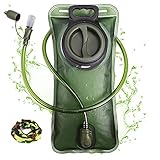
Start your morning right by staying hydrated; a hydration bladder can make it easy to sip water throughout the day.
Common mistakes (and what happens if you ignore them)
| Mistake | What it causes | Fix |
|---|---|---|
| Underestimating water needs | Dehydration, heatstroke, impaired judgment, exhaustion, serious medical emergency. | Pack more water than you think you need. Always carry a filter/purifier as backup. |
| Drinking untreated water | Waterborne illnesses like Giardia or Cryptosporidium, severe gastrointestinal distress. | Always filter, boil, or chemically treat all water from natural sources before drinking. |
| Not checking fire restrictions | Starting an illegal campfire, getting a hefty fine, causing a wildfire. | Check the local land manager’s website or call the ranger station for current fire restrictions before you leave. |
| Leaving trash or food scraps behind | Attracting wildlife, habituating animals to humans, environmental degradation. | Pack it in, pack it out. Use bear canisters or bags for food storage. Leave your campsite cleaner than you found it. |
| Setting up camp in a prohibited area | Fines, eviction, damage to sensitive ecosystems. | Know the rules for dispersed camping or designated sites. Look for signage and check maps. |
| Not securing food from wildlife | Animals raiding camp, damaged gear, potential for dangerous encounters. | Use proper food storage methods (bear canisters, bear bags, or secure vehicles). Never leave food unattended. |
| Ignoring weather forecasts | Exposure to extreme heat/cold, hypothermia, heatstroke, dangerous conditions. | Check forecasts before and during your trip. Be prepared to alter plans or seek shelter if conditions turn severe. |
| Not having a backup plan for water sources | Running out of water, potential for dangerous travel to find more, dehydration. | Scout water sources beforehand, and have a backup plan if a source is dry or contaminated. Carry enough water to reach help. |
| Improper disposal of gray water | Water pollution, attracting animals, unsanitary conditions. | Scatter gray water at least 200 feet from water sources and camp. Use biodegradable soap sparingly. |
| Overestimating purification capacity | Running out of clean water, potential for illness if purification fails. | Know your filter’s lifespan and capacity. Carry extra purification tablets or a backup filter. |
To avoid waterborne illnesses, always carry water purification tablets as a backup to your filter for treating water from natural sources.
Decision rules (simple if/then)
- If the temperature is above 80°F (27°C) then increase your water estimate by 0.5 gallons (2 liters) per person because heat significantly increases fluid loss.
- If you plan on strenuous hiking or high-altitude activity then increase your water estimate by at least 0.5 gallons (2 liters) per person because exertion and altitude demand more fluids.
- If you are in a desert environment then pack at least 1.5 gallons (6 liters) per person per day because water is scarce and evaporation is high.
- If you are relying on natural water sources then bring a reliable water filter and backup purification tablets because natural sources can become contaminated.
- If there is a high fire danger or burn ban then do not plan on having a campfire because safety comes first and penalties are severe.
- If you are camping in a group with children or elderly individuals then increase the water supply because they are often more susceptible to dehydration.
- If your campsite is more than a 2-hour drive from the nearest town then pack enough water for your entire trip plus an emergency buffer because resupply is difficult.
- If you are unsure about the water quality of a natural source then err on the side of caution and purify it thoroughly because illness is a trip-wrecker.
- If you are planning a multi-day trip and have limited carrying capacity then plan your route to pass by reliable water sources and know how to treat them because you can’t carry everything.
- If you encounter unexpected heat or exertion then ration your water carefully and consider adjusting your activity level because conservation is key when supplies are limited.
FAQ
How much water do I really need for a weekend camping trip?
For a typical weekend (2 days, 1 night) for one person, plan on at least 2 gallons (about 8 liters). This accounts for drinking, cooking, and basic cleanup.
Is one gallon per person per day enough in cold weather?
Yes, usually. While you might drink less, your body still needs fluids. Cold can also dehydrate you. Just be mindful of your intake.
What if I can only carry 1 gallon total?
That’s risky for more than a short day trip. If you must, ensure you have a very reliable water source and purification method at your destination, and plan to use minimal water for cooking.
Can I just boil water for purification?
Boiling is effective for killing most pathogens. Bring your water to a rolling boil for at least one minute. It’s a solid backup, but can be time-consuming and uses fuel.
What’s the difference between a water filter and a purifier?
Filters typically remove bacteria and protozoa. Purifiers also remove viruses, which are smaller. For most backcountry sources, a good filter is sufficient, but a purifier offers an extra layer of safety.
How do I store extra water safely?
Use food-grade containers. Keep them out of direct sunlight and extreme heat. For longer trips, consider collapsible water bladders or dedicated water jugs.
What about using water from a lake or river?
Never drink directly from natural sources without treating it. Even clear water can contain harmful microorganisms. Always filter, boil, or chemically treat it.
Does cooking use a lot of water?
It depends on what you’re cooking. Dehydrated meals use minimal water. Boiling pasta or rice will use more. Be efficient with your cooking water.
What are the signs of dehydration?
Thirst, dry mouth, headache, fatigue, and dark urine are common. If you experience dizziness, confusion, or a rapid heart rate, seek help immediately.
What this page does NOT cover (and where to go next)
- Detailed instructions on specific water filter maintenance. (Look for guides on your filter model.)
- Advanced water sourcing techniques in extreme arid environments. (Consult survival guides or expert resources.)
- Recipes for backcountry cooking that minimize water usage. (Search for “minimalist backpacking recipes.”)
- Regulations for specific National Parks or Wilderness Areas regarding water collection. (Check the official park/agency website.)
- The science behind waterborne pathogens and their effects. (Medical or environmental health resources cover this.)

Camping Bob has spent over 20 years camping across the US — from BLM dispersed sites in the Southwest to KOA campgrounds in the Pacific Northwest. He writes practical, no-nonsense guides to help fellow campers get outdoors with confidence.