
Making S’mores Without a Campfire
Quick answer
- Pack a portable camp stove. It’s your best bet for melting marshmallows evenly.
- Use a small propane torch. Great for quick toasting, but watch for char.
- Embrace the “no-cook” s’more. Still delicious, just skip the heat.
- Consider a Dutch oven for indoor s’mores. Perfect for a cozy, non-campout treat.
- Always practice Leave No Trace. Pack out everything you pack in.
- Check local regulations. Some places restrict even portable stoves.
What to check first (do this before you drive out)
Before you even think about graham crackers and chocolate, get your ducks in a row.
- Land manager / legality: Who’s in charge here? US Forest Service, BLM, National Park Service, or a state park? They all have different rules. Some might allow camp stoves, others might have specific fire restrictions that even ban those. Always check the official website for the area you’re heading to. I learned that the hard way once, thought I was good to go, only to find out the whole district was under a fire ban. Oops.
- Access/road conditions: Is the road to your spot paved, gravel, or just a suggestion? Your car’s capabilities matter. A Subaru Outback can handle more than a Honda Civic. Think about ground clearance, especially if it’s been raining. Mud can turn a fun trip into a tow-truck situation real fast.
- Fire restrictions + weather + wind: This is huge. Even if you’re not planning a campfire, knowing the fire danger level is crucial. High winds can be a problem for any open flame, including a camp stove or torch. Check the forecast. Nothing ruins s’mores like getting rained out or blown away.
- Water plan + waste plan: You’ll need water for cleanup, even if you’re not having a campfire. And remember, everything you bring in, you bring out. That includes wrappers, sticky fingers, and any uneaten s’more ingredients. Pack it in, pack it out is the golden rule.
- Safety: What’s the wildlife situation? Are bears a concern? How far are you from the nearest ranger station or town? Cell service can be spotty, so let someone know where you’re going and when you expect to be back. A basic first-aid kit is always a good idea.
Step-by-step (field workflow)
Here’s how to get those gooey delights without a traditional campfire.
1. Gather your ingredients: Pack graham crackers, chocolate bars (the good stuff, like Hershey’s or Ghirardelli), and marshmallows.
- Good looks like: Everything is neatly packed in a cooler or bag, ready to go.
- Common mistake: Forgetting the chocolate. Seriously, it happens. Double-check your list.
2. Choose your heat source: Decide if you’re using a portable camp stove, a small propane torch, or going the no-cook route.
- Good looks like: You have your chosen tool ready and know how to operate it safely.
- Common mistake: Bringing a device you’ve never used before without practicing at home. You don’t want to be fumbling with it in the dark.
3. Set up your station: Find a flat, stable surface away from dry leaves or anything flammable.
- Good looks like: A clean, safe area with all your s’more components within easy reach.
- Common mistake: Setting up too close to your tent or dry brush. Fire safety is paramount, even with minimal heat.
4. Prepare the s’more components: Break graham crackers in half. Break your chocolate bar into pieces that fit on the crackers.
- Good looks like: Everything is pre-portioned and ready for assembly.
- Common mistake: Trying to break crackers or chocolate with sticky hands. Do it before you start heating.
5. (If using a camp stove) Light the stove: Follow the manufacturer’s instructions.
- Good looks like: A steady, controlled flame.
- Common mistake: Over-tightening the fuel canister, leading to leaks, or holding the igniter too far away.
6. (If using a camp stove) Toast the marshmallow: Skewer a marshmallow on a stick or fork. Hold it above the flame, rotating it slowly.
- Good looks like: A golden-brown, slightly melty marshmallow.
- Common mistake: Holding it directly in the flame, causing it to catch fire and burn to a crisp. Patience is key.
7. (If using a propane torch) Light the torch: Again, follow the instructions. Be mindful of the flame intensity.
- Good looks like: A controlled, focused flame.
- Common mistake: Using a torch that’s too powerful, which can instantly incinerate your marshmallow. A smaller culinary torch is usually best.
8. (If using a propane torch) Toast the marshmallow: Hold the marshmallow a few inches from the flame, rotating it. You can get a nice char this way too, if that’s your jam.
- Good looks like: Evenly toasted, gooey marshmallow.
- Common mistake: Getting too close and creating a black, carbonized shell with a cold interior.
9. Assemble the s’more: Place a piece of chocolate on one graham cracker half. Top with your toasted marshmallow. Place the other graham cracker half on top and gently press.
- Good looks like: A perfectly constructed, slightly squished s’more.
- Common mistake: Dropping the marshmallow as you try to assemble it. Work quickly and deliberately.
10. Enjoy: Eat it immediately. That’s the best part.
- Good looks like: A happy camper with a satisfied grin.
- Common mistake: Letting it cool down too much. The magic is in the melty goo.
11. Clean up: Pack out all wrappers, crumbs, and used skewers.
- Good looks like: Your campsite looks exactly as you found it, or better.
- Common mistake: Leaving food scraps behind, attracting critters.
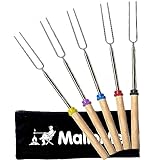
For perfect, evenly toasted marshmallows, consider using a good set of marshmallow roasting sticks. They provide the ideal length and control.
Common mistakes (and what happens if you ignore them)
| Mistake | What it causes | Fix |
|---|---|---|
| Ignoring fire restrictions | Fines, damaging the environment, starting a wildfire. | Always check official sources before you go. |
| Using a powerful torch | Incinerated marshmallows, wasted fuel, potential burns. | Use a culinary torch, practice at home. |
| Not practicing with stove/torch | Frustration, potential injury, wasted time. | Test your equipment in a safe, familiar environment first. |
| Setting up near flammable materials | Accidental ignition, potential for uncontrolled fire. | Clear a wide area around your cooking station. |
| Forgetting key ingredients | Disappointment, incomplete s’mores. | Make a detailed checklist and review it before packing. |
| Not bringing water for cleanup | Sticky hands, attracting pests, unsanitary conditions. | Pack extra water for cooking and cleaning. |
| Leaving food scraps or wrappers behind | Attracting wildlife, leaving a mess, violating Leave No Trace. | Pack out <em>everything</em> you pack in. |
| Not letting marshmallow cool slightly | Burns, dropped s’mores. | Be patient for a few seconds after toasting. |
| Using a wobbly or unstable surface | Spills, dropped s’mores, potential for equipment damage. | Find a flat, stable spot for your stove or torch. |
| Not having a designated “s’more station” | Disorganization, misplaced ingredients, increased risk of spills. | Designate a specific area for all s’more prep and consumption. |
| Not informing others of your plans | Delayed help if an emergency occurs. | Always tell someone where you’re going and when you’ll be back. |
Decision rules (simple if/then)
- If fire restrictions are at “high” or “extreme,” then do not use any open flame, including camp stoves or torches, because safety comes first.
- If you are in a designated campground with fire rings, then check if they are usable before considering any type of fire, even with a stove, because some rules apply to the entire area.
- If the wind is gusting over 15 mph, then reconsider using a torch or stove, because it can be difficult to control the flame and increases fire risk.
- If you have a vehicle with low clearance, then check road conditions carefully, because rough roads can damage your car and leave you stranded.
- If you are unsure about land management rules, then err on the side of caution and assume stricter regulations, because it’s better to be safe than sorry.
- If you plan to use a propane torch, then ensure it’s a culinary-style torch, because industrial torches are too powerful and dangerous for marshmallow toasting.
- If you are making s’mores in a place with abundant dry vegetation, then maintain a minimum 10-foot radius of cleared space around your heat source, because embers can travel surprisingly far.
- If you are traveling with children, then supervise them closely when using any heat source, because their judgment might not be as developed.
- If you are camping in bear country, then store all food, including s’more ingredients, securely overnight, because leaving food out can attract unwanted visitors.
- If your chosen campsite has no potable water source, then pack enough water for drinking, cooking, and cleaning, because you don’t want to run out.
- If you are unsure about cell service, then download offline maps and emergency contact info, because you can’t always rely on your phone.
FAQ
Can I just use a lighter to toast a marshmallow?
A lighter can work in a pinch, but it’s tough to get an even toast. You’ll likely get a lot of burnt spots or just a warm marshmallow. It’s better for a quick melt if you’re really desperate.
What’s the best kind of chocolate for s’mores?
Hershey’s is the classic for a reason – it melts perfectly. But don’t be afraid to experiment! Dark chocolate, milk chocolate with caramel, or even peanut butter cups can be amazing.
Is it okay to make s’mores without a campfire if there’s a fire ban?
Yes, that’s the whole point of this. Using a portable camp stove or a propane torch is generally allowed during fire bans, as long as you follow all safety guidelines and the specific rules for the area. Always double-check the posted restrictions.
How do I avoid dropping my marshmallow when assembling the s’more?
Work quickly but deliberately. Have your graham cracker and chocolate ready. Once the marshmallow is toasted, slide it off the stick onto the chocolate side of the cracker, then immediately top with the other cracker.
What if I don’t have skewers?
Improvise! Sturdy twigs (cleaned and without sap), metal forks (if you have a long enough one), or even small tongs can work. Just make sure whatever you use is clean and safe to handle.
Can I make s’mores indoors?
Absolutely. A small propane torch can be used carefully in a well-ventilated kitchen, or you can use a broiler or even a microwave for a quick, less traditional version. Many people also use Dutch ovens for indoor s’more desserts.
What are the Leave No Trace principles for s’mores?
Pack out all wrappers, crumbs, and any uneaten food. Minimize your impact by using established campsites and not disturbing vegetation. Dispose of wastewater properly (away from water sources).
Is a portable camp stove really safe to use in dry conditions?
Yes, if used correctly. Always set it up on a flat, stable surface, clear of flammable materials. Turn it off when not in use and ensure the flame is completely out before packing it away.
What this page does NOT cover (and where to go next)
- Detailed instructions on specific camp stove models. (Check your stove’s manual.)
- Advanced marshmallow toasting techniques like the “double-roast.” (Practice makes perfect!)
- Recipes for gourmet s’more variations beyond the classic. (Explore dessert blogs!)
- Information on specific campsite amenities or reservation systems. (Visit the land manager’s official website.)
- Regulations regarding campfires in other countries. (Consult local authorities abroad.)

Camping Bob has spent over 20 years camping across the US — from BLM dispersed sites in the Southwest to KOA campgrounds in the Pacific Northwest. He writes practical, no-nonsense guides to help fellow campers get outdoors with confidence.