
Maximizing Your Cooling Bag’s Effectiveness
Quick answer
- Pre-chill everything going into the bag.
- Use block ice or frozen water bottles, not loose cubes.
- Pack it full, but don’t overstuff.
- Keep it out of direct sun.
- Open it only when necessary.
- Drain condensation regularly.
- Consider a hard-sided cooler for better insulation.
What to check first (do this before you drive out)
Before you even think about packing that cooler, a few things need your attention. Get this right, and your ice will last way longer.
- Land manager / legality: Who’s in charge here? National Forest, BLM land, State Park? Rules can vary. It’s good to know if you’re in a developed campground or dispersed camping area. This affects everything from fire bans to trash disposal. Always check the official website for the specific area you’re headed to.
- Access/road conditions: Is your rig ready for the road ahead? A washboard dirt track is one thing, but a muddy, rutted trail might need more. Know your vehicle’s clearance and if 4WD is a good idea. Don’t get stuck miles from anywhere.
- Fire restrictions + weather + wind: This is huge, especially in dry climates. Fire bans are common. Check the current restrictions before you leave. Also, look at the weather forecast. Extreme heat drains ice fast. High winds can whip up dust and make things uncomfortable.
- Water plan + waste plan (Leave No Trace): How are you getting your water? Bring enough, or know where to safely filter/treat it. And where’s your trash going? Pack it in, pack it out. That includes food scraps. Leaving no trace means leaving the place better than you found it.
- Safety (wildlife, distance to help, comms): Are there bears? Know how to store your food properly. How far are you from a ranger station or town? Cell service is often spotty, so tell someone where you’re going and when you expect to be back. A satellite communicator is a good backup.
Step-by-step (how to use cooling bag)
Alright, let’s get this cooler dialed in. It’s not rocket science, but a little method goes a long way.
1. Gather your gear: Get your cooler, ice source, and all the food and drinks you plan to bring.
- Good looks like: Everything is ready and within reach. No last-minute scrambling.
- Common mistake: Forgetting to bring the actual cooler. Yep, I’ve seen it. Avoid by making a checklist.
When gathering your gear, ensure you have a high-quality insulated cooler bag to keep your items cold for longer.
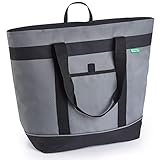
2. Pre-chill the cooler: This is critical. If your cooler is warm when you start, your ice has to work overtime just to cool it down.
- Good looks like: The inside of the cooler feels cool to the touch.
- Common mistake: Throwing ice into a warm cooler. It melts way faster. Avoid by putting it in a cool place (garage, shade) overnight or even filling it with cold water beforehand.
3. Pre-chill your contents: Just like the cooler, your food and drinks should be cold before they go in.
- Good looks like: All your drinks are frigid from the fridge, and your food items are properly chilled.
- Common mistake: Putting warm leftovers or room-temperature drinks into the cooler. This wastes ice and can make other items less cold. Avoid by refrigerating everything overnight.
4. Choose your ice: Block ice or frozen water bottles last much longer than loose cubes. Cubes melt fast and create a lot of water.
- Good looks like: Solid blocks of ice or fully frozen water bottles.
- Common mistake: Using only small ice cubes. They melt quickly and leave you with a watery mess. Avoid by freezing your own blocks or buying them.
For optimal cooling, consider using durable reusable ice packs or frozen water bottles instead of loose ice cubes.

5. Pack strategically: Place items you’ll use last at the bottom, and things you’ll need first on top.
- Good looks like: A layered system where you can grab what you need without disturbing everything else.
- Common mistake: Just dumping everything in. This leads to digging and letting cold air escape. Avoid by thinking about your meal plan.
6. Fill empty space: Air is the enemy of cold. Fill any gaps with more ice, frozen water bottles, or even crumpled towels.
- Good looks like: The cooler is packed tightly, with minimal air pockets.
- Common mistake: Leaving significant empty space. This allows warm air to circulate. Avoid by using extra ice or packing material.
7. Seal it up: Close the lid firmly. Make sure any drain plugs are secure.
- Good looks like: A good, tight seal. No gaps.
- Common mistake: Leaving the lid ajar. This is a fast track to a warm cooler. Avoid by double-checking the seal.
8. Keep it cool: Place the cooler in the coolest spot possible. Under a picnic table, in the shade, or even covered with a blanket.
- Good looks like: The cooler is out of direct sunlight and protected from heat sources.
- Common mistake: Leaving the cooler in the sun or on a hot surface. This heats up the cooler from the outside. Avoid by finding shade.
9. Minimize openings: Every time you open the cooler, cold air escapes and warm air enters.
- Good looks like: Only opening the cooler when absolutely necessary, and closing it quickly.
- Common mistake: Constantly peeking inside to see what’s left. This is a major ice killer. Avoid by planning what you need before opening.
10. Drain excess water: As ice melts, it creates water. This water can make your food soggy and also speeds up melting.
- Good looks like: Periodically draining off the meltwater, especially if you’re using loose ice.
- Common mistake: Letting the cooler fill up with water. This lowers the temperature of the remaining ice. Avoid by checking the drain plug every day or so.
Common mistakes (and what happens if you ignore them)
| Mistake | What it causes | Fix |
|---|---|---|
| Not pre-chilling the cooler | Ice melts much faster, contents don’t stay cold | Put cooler in shade/garage overnight, or fill with cold water before packing. |
| Packing warm food/drinks | Wastes ice, can spoil other items | Refrigerate all contents overnight before packing. |
| Using only loose ice cubes | Melts quickly, creates excess water | Use block ice or frozen water bottles for longer-lasting cold. |
| Leaving empty space in the cooler | Warm air circulates, melts ice faster | Fill gaps with extra ice, frozen water bottles, or even towels. Pack it tight. |
| Opening the cooler frequently | Cold air escapes, warm air enters | Plan what you need before opening, and close it quickly. Keep frequently used items accessible. |
| Leaving the cooler in direct sunlight | Cooler exterior heats up, melts ice faster | Place in shade, cover with a blanket, or use a reflective cover. |
| Not draining meltwater | Lowers internal temperature, melts ice faster | Periodically drain meltwater from the cooler. |
| Packing items that can leak | Watery mess, can damage other items | Ensure all containers are sealed tightly, or double-bag items prone to leakage. |
| Using the cooler as a step stool/seat | Damages insulation, cracks lid | Treat your cooler with care; it’s not furniture. Use a proper seat or stool. |
| Forgetting to close the lid completely | Rapid ice melt, warm contents | Always double-check that the lid is fully sealed. |
| Putting dry ice directly on plastic | Can make plastic brittle, crack | Use a barrier like cardboard between dry ice and the cooler lining if using dry ice. |
| Not considering cooler size for contents | Too small = overstuffed/poor airflow; too big = empty space | Choose a cooler size appropriate for the amount of food and drinks you’re bringing. |
Decision rules (simple if/then)
- If the weather forecast is extremely hot, then pack extra ice or frozen water bottles because heat accelerates melting.
- If you’re going dispersed camping with no amenities, then bring a robust water plan and a reliable cooler because you won’t have access to ice or clean water.
- If you plan to access remote areas, then check road conditions and consider a cooler with better insulation because rough terrain can jostle contents and reduce ice life.
- If you’re only camping for a single day trip, then a soft-sided cooler might suffice, but for multi-day trips, a hard-sided cooler is generally better because it offers superior insulation.
- If you have a lot of drinks that will be opened frequently, then pack them separately or in a smaller, dedicated cooler because opening the main food cooler less often preserves its temperature.
- If you’re concerned about bears, then use a bear-resistant cooler or store your cooler properly in a vehicle or bear box because food security is paramount.
- If you’re using a hard-sided cooler, then consider adding a reflective blanket or cover because it can further reduce heat absorption from the sun.
- If you’re traveling a long distance, then pre-chill your cooler and pack it the night before you leave because it allows the cooler to reach optimal temperature before you hit the road.
- If you plan to consume items in a specific order, then pack your cooler accordingly, with the first-day items on top, because this minimizes how much you have to rummage through.
- If you’re concerned about food safety, then use a cooler thermometer to monitor the internal temperature and aim to keep it at or below 40°F (4°C) because this prevents bacterial growth.
- If you’re using a cooler with a drain plug, then make sure it’s securely closed before packing, even if you don’t plan to drain it immediately, because a loose plug can cause leaks.
- If you are camping in an area with fire restrictions, then plan your meals to minimize the need for cooking over a fire and rely on items that can be eaten cold or easily prepared from your cooler because safety comes first.
For multi-day trips, a well-insulated cooler bag is generally a better investment than a soft-sided one, offering superior insulation.
FAQ
How long does ice typically last in a cooling bag?
This varies wildly. A cheap soft-sided cooler with loose ice on a hot day might last less than 24 hours. A high-quality hard-sided cooler packed properly with block ice can last 5-7 days, sometimes more.
Should I drain the water from my cooler?
Yes, usually. As ice melts, it turns into water. This water is colder than the air but warmer than solid ice. Draining it helps keep the remaining ice from melting too quickly.
What’s the best type of ice to use?
Block ice or large frozen water bottles are generally best. They melt slower than small cubes, providing sustained cooling.
Can I put dry ice in my cooler?
Yes, but be careful. Dry ice is extremely cold (-109.3°F or -78.5°C) and can freeze food solid. It also sublimes into CO2 gas, so ensure good ventilation and don’t use it in a sealed cooler inside a vehicle.
How do I keep my cooler cold when it’s really hot out?
Pre-chill everything, use block ice, pack it full, keep it in the shade, and minimize opening it. A reflective cover can also help a lot.
To keep your cooler cold in hot weather, utilizing reusable ice packs along with pre-chilling everything can make a significant difference.
What if I can’t get ice where I’m going?
Freeze water bottles solid. They act as ice packs and then provide drinking water as they melt. You can also freeze meals or portions of food.
Is it okay to put raw meat directly in the cooler?
It’s best to put raw meat in leak-proof containers or bags. This prevents any juices from contaminating other food items.
How do I know if my cooler is working well?
Use a cooler thermometer. If the temperature stays at or below 40°F (4°C), your cooler is doing its job effectively.
Should I use a soft-sided or hard-sided cooler?
For short trips and convenience, soft-sided coolers are fine. For longer trips or extreme conditions, a hard-sided cooler with better insulation is usually worth the investment.
What this page does NOT cover (and where to go next)
- Specific cooler models and their performance ratings.
- Detailed recipes for camping meals that require refrigeration.
- Advanced techniques for extreme expeditions or multi-week trips.
- The science behind thermodynamics and insulation materials.
- Where to buy ice in specific remote locations.
To learn more, consider researching high-performance cooler reviews, exploring camping meal planning resources, or consulting guides on extended backcountry travel.

Camping Bob has spent over 20 years camping across the US — from BLM dispersed sites in the Southwest to KOA campgrounds in the Pacific Northwest. He writes practical, no-nonsense guides to help fellow campers get outdoors with confidence.