
How to Use Dry Ice in a Cooler for Extended Cold
Quick answer
- Dry ice keeps your cooler colder, longer. Way longer.
- It’s solid CO2, super cold (-109.3°F / -78.5°C).
- Vent your cooler. Dry ice sublimates (turns to gas), not melts.
- Handle with gloves and tongs. Seriously.
- Don’t seal it tight. Pressure build-up is bad news.
- Use it with regular ice for the ultimate chill.
- Keep it away from kids and pets.
What to check first (do this before you drive out)
Before you load up and head out, a few key checks make sure your dry ice adventure goes smooth.
- Land manager / legality: Who’s in charge of the spot you’re going? National Forests (USFS), Bureau of Land Management (BLM), National Parks (NPS), or state parks all have different rules. Some might have restrictions on what you can bring or how you camp. Always check the official website for the specific area. It’s usually pretty straightforward, but better safe than sorry.
- Access/road conditions: Is the road to your campsite paved, gravel, or a boulder field? If you’re rolling in a 2WD sedan, a rough forest road might be a no-go. Check recent reports for mud, snow, or washouts. A little clearance goes a long way.
- Fire restrictions + weather + wind: This is a big one. Dry ice is cold, but a wildfire is hotter. Check current fire bans. Also, look at the forecast. Extreme heat means your cooler works harder. High winds can make camp life miserable and affect fire safety.
- Water plan + waste plan (Leave No Trace): Where will you get potable water? Bring enough, or know your purification methods. And what about trash? Pack it in, pack it out. This includes any dry ice residue. Leave No Trace principles are key to keeping these wild places awesome.
- Safety (wildlife, distance to help, comms): Know what critters might be around. Store food properly to avoid unwanted visitors. How far is the nearest ranger station or town? Cell service is often spotty. Have a plan for emergencies.
Step-by-step (field workflow)
Here’s how to get your cooler dialed in with dry ice.
1. Gather your gear. You’ll need a well-insulated cooler, dry ice, heavy-duty gloves (like leather or neoprene), tongs, and a way to transport the dry ice safely (a dedicated cooler or insulated box).
- What “good” looks like: Everything is ready to go, and you have all the safety gear handy.
- Common mistake: Forgetting gloves. You’ll learn fast why you need them.
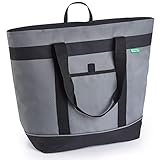
For optimal performance, you’ll need a well-insulated cooler. Consider investing in a high-quality insulated cooler like this one for the best results.
2. Acquire your dry ice. Order it ahead from a welding supply store, industrial gas supplier, or sometimes even grocery stores. Pick it up as close to your departure time as possible.
- What “good” looks like: You have the amount you need, and it’s still solid.
- Common mistake: Buying it too early and having it sublimate away before you even leave.
3. Prepare the cooler. Make sure it’s clean and dry. If it’s a hot day, pre-chill the cooler with regular ice packs or regular ice for an hour or two.
- What “good” looks like: The cooler is already cool, giving the dry ice a head start.
- Common mistake: Putting dry ice into a warm cooler. It’ll just sublimate faster.
To give your dry ice a head start, pre-chill your cooler with regular ice packs. These reusable ice packs are a great option for consistent pre-chilling.

4. Vent the cooler. This is critical. Dry ice turns into CO2 gas. If the cooler is sealed tight, pressure builds up and can cause it to rupture or even explode. Crack the lid slightly or use a cooler designed with a vent.
- What “good” looks like: You can hear a faint hiss or see a bit of fog, but there’s no bulging lid.
- Common mistake: Sealing the cooler completely. This is dangerous.
5. Add a layer of insulation (optional but recommended). Some people put cardboard or a towel at the bottom of the cooler. This helps prevent direct contact with the cooler lining, which can become brittle in extreme cold.
- What “good” looks like: A protective layer is in place.
- Common mistake: Skipping this and potentially damaging a cooler over time.
6. Place the dry ice. Using your tongs and gloves, carefully place the dry ice pieces into the cooler. Don’t pack it too tightly.
- What “good” looks like: Dry ice is distributed, not crammed.
- Common mistake: Touching the dry ice directly. Frostbite is no joke.
7. Add your regular ice and food. Pack your food and drinks around the dry ice. You can also add regular ice on top or alongside the dry ice. The dry ice will keep everything else frozen, and the regular ice will help maintain the temperature as the dry ice sublimates.
- What “good” looks like: Items are packed efficiently, with dry ice providing the super-chill.
- Common mistake: Overpacking, leaving no room for air circulation.
8. Close the cooler, but don’t seal it. Ensure the lid is closed securely but still allows for venting. A slightly ajar lid is better than a blown-up cooler.
- What “good” looks like: The cooler is closed, but you can still feel a slight draft or hear a faint hiss.
- Common mistake: Forgetting to vent again after adding everything.
9. Replenish as needed. If you’re on a longer trip, you might need to add more dry ice. Handle it with the same precautions.
- What “good” looks like: You’re keeping your items at the desired temperature.
- Common mistake: Running out of dry ice and realizing your food is thawing.
10. Dispose of the remainder safely. When you’re done, let any remaining dry ice sublimate completely in a well-ventilated area, away from children and pets. Don’t put it down a drain or in a sealed trash can.
- What “good” looks like: All dry ice is gone, and the cooler is empty and safe.
- Common mistake: Throwing a large chunk of dry ice into a regular trash bin.
Common mistakes (and what happens if you ignore them)
| Mistake | What it causes | Fix |
|---|---|---|
| Not wearing gloves | Severe frostbite on hands, pain, tissue damage. | Always use heavy-duty gloves (leather, neoprene) when handling dry ice. |
| Sealing the cooler completely | Pressure buildup, potential cooler rupture or explosion, property damage. | Ensure the cooler is vented. Leave the lid slightly ajar or use a cooler with a built-in vent. |
| Putting dry ice in a sealed vehicle | CO2 buildup can displace oxygen, leading to dizziness, suffocation, death. | Only transport dry ice in a vehicle with windows cracked open for ventilation. Never store it in a sealed car or truck bed. |
| Touching dry ice directly | Instant frostbite, similar to a severe burn. | Use tongs or thick gloves. Treat dry ice like a super-hot object. |
| Not pre-chilling the cooler | Dry ice sublimates faster, reducing its effectiveness. | Chill the cooler with regular ice or ice packs for an hour or more before adding dry ice. |
| Storing dry ice in a regular freezer | Your freezer will work overtime to compensate for the extreme cold. | Dry ice should be stored in an insulated container (like a Styrofoam box) in a cool, well-ventilated area. |
| Inhaling excessive CO2 vapor | Can cause dizziness, headaches, rapid breathing, and in extreme cases, asphyxiation. | Always use dry ice in a well-ventilated space. Avoid prolonged exposure to the fog. |
| Throwing unused dry ice in trash/drain | Can damage plumbing or cause hazards in collection facilities. | Allow dry ice to sublimate completely in a well-ventilated area away from people and pets. |
| Using a standard cooler long-term | The extreme cold can make plastic brittle and prone to cracking. | For frequent dry ice use, consider a high-quality cooler designed for extreme temperatures, or use a layer of cardboard to buffer. |
| Not informing others about dry ice | Others might not understand the risks, leading to accidents. | Clearly communicate to everyone involved that dry ice is present and explain the safety precautions. |
Decision rules (simple if/then)
- If your trip is longer than 3 days and you need items to stay frozen solid, then use dry ice because it’s far colder than regular ice.
- If you’re camping in a very hot climate, then consider using dry ice to ensure your perishables don’t spoil.
- If you’re transporting dry ice in your vehicle, then crack the windows for ventilation because CO2 gas can build up.
- If you see fog or hear hissing from your cooler, then this is normal sublimation, but check for bulging if it seems excessive.
- If you are handling dry ice, then always wear heavy gloves because direct contact causes instant frostbite.
- If you are not experienced with dry ice, then start with a smaller amount to get a feel for how quickly it sublimates.
- If you are going to a remote area with no access to ice, then bringing dry ice can be a game-changer for food safety.
- If you have kids or pets with you, then keep the dry ice cooler out of reach and clearly label it as a hazard.
- If you are unsure about local regulations regarding transporting or disposing of dry ice, then check with the land manager or local authorities.
- If your cooler is not heavily insulated, then expect the dry ice to sublimate faster than in a premium cooler.
- If you are only going away for a weekend and don’t need things frozen solid, then regular ice might be sufficient and simpler.
FAQ
How much dry ice do I need?
Generally, about 5-10 pounds of dry ice per day for a standard cooler is a good starting point. Adjust based on the size of your cooler, the ambient temperature, and how long you need things to stay frozen.
Can I use dry ice in a soft-sided cooler?
It’s not recommended. Soft-sided coolers aren’t insulated enough, and the extreme cold can damage the material. Stick to hard-sided, insulated coolers.
For effective dry ice use, stick to hard-sided, insulated coolers. This insulated cooler is a great choice for keeping contents frozen solid.
What’s the difference between dry ice and regular ice?
Dry ice is solid carbon dioxide and is extremely cold (-109.3°F / -78.5°C). Regular ice is frozen water and melts at 32°F / 0°C. Dry ice sublimates directly into gas, while regular ice melts into liquid.
How long does dry ice last in a cooler?
It depends on the cooler’s insulation, the amount of dry ice, and the outside temperature. Typically, 1-3 days, but it can last longer in a high-quality cooler.
Is the fog from dry ice harmful?
The fog itself is just condensed water vapor, which is harmless. However, the CO2 gas that creates the fog can displace oxygen in enclosed spaces, so good ventilation is crucial.
Can I put dry ice directly on food?
It’s best to avoid direct contact. Use an extra layer of insulation like cardboard or place food in sealed containers. Direct contact can freeze and damage the food.
What happens if dry ice sublimates completely?
It turns into CO2 gas. If the cooler is vented, the gas will dissipate safely into the atmosphere. If it’s sealed, pressure can build up.
Where can I buy dry ice?
Look for industrial gas suppliers, welding supply stores, or sometimes larger grocery stores. It’s best to call ahead and order it.
What this page does NOT cover (and where to go next)
- Specific campsite booking details: This guide is about using dry ice, not reserving a specific spot. Check official park or forest service websites for availability and reservations.
- Detailed food safety charts: While dry ice keeps things cold, understanding safe food temperatures for all your items is a separate topic.
- Advanced cooler insulation techniques: We touched on pre-chilling, but there’s a whole world of DIY cooler mods out there.
- Emergency medical procedures for frostbite: Always have a first-aid kit and know basic treatment, but severe cases need professional help.
- Legal regulations for transporting hazardous materials: While dry ice isn’t typically regulated like other hazardous materials for personal use, it’s good to be aware of broader transport safety.

Camping Bob has spent over 20 years camping across the US — from BLM dispersed sites in the Southwest to KOA campgrounds in the Pacific Northwest. He writes practical, no-nonsense guides to help fellow campers get outdoors with confidence.