
Make Your Tent More Waterproof for Rainy Weather
Quick answer
- Clean it up. Dirt and grime break down waterproofing.
- Check seams and zippers. These are common leak points.
- Reapply DWR. This is the magic spray that makes water bead.
- Seam seal. For extra protection on those high-stress areas.
- Use a footprint. Protects the tent floor from abrasion.
- Ventilation is key. Avoid condensation, which feels like a leak.
What to check first (do this before you drive out)
Before you even think about packing the car, give your tent a once-over. A little prep saves a lot of soggy misery.
- Land manager / legality: Who owns this patch of dirt you’re planning to sleep on? Is it National Forest, BLM land, a State Park, or private? Each has its own rules. Check the agency’s website. Seriously. Don’t get a ticket or worse, get kicked out.
- Access/road conditions: How are the roads looking? Is it paved all the way, or are we talking washboard gravel? Will your trusty sedan make it, or do you need AWD and decent clearance? Mud, snow, or washouts can shut down access fast. A quick call to the ranger station or checking online forums can save you a wasted trip.
- Fire restrictions + weather + wind: This is a big one. Check the current fire restrictions and the forecast. High winds can trash a tent in minutes. Heavy rain is obvious, but don’t forget about potential flash floods if you’re in a drainage area. Be smart about where you set up.
- Water plan + waste plan (Leave No Trace): Where are you getting your water? Is it potable, or do you need to filter/treat it? And what about your trash? Pack it in, pack it out. That includes food scraps, wrappers, and anything else you brought. Leave it better than you found it.
- Safety (wildlife, distance to help, comms): Know what critters are in the area and how to store your food properly. How far is the nearest ranger station or town? Do you have cell service? Consider a satellite messenger for remote trips. Better safe than sorry out there.
Step-by-step (field workflow)
Let’s get this tent dialed in for the wet stuff.
1. Inspect the tent fabric.
- What to do: Set up your tent in a dry, well-lit space. Look for any visible damage, tears, or holes. Check the floor and fly.
- What “good” looks like: The fabric is intact, with no obvious weak spots or damage.
- Common mistake: Rushing this. You might miss a small abrasion that could grow into a big problem.
- How to avoid: Take your time. Run your hands over the fabric. Get a second pair of eyes if you can.
2. Clean the tent.
- What to do: Use a mild soap (like Nikwax Tech Wash or a very diluted dish soap) and water. Gently scrub the fabric. Rinse thoroughly.
- What “good” looks like: The fabric is clean, free of dirt, grime, and any oily residue.
- Common mistake: Using harsh detergents or abrasive cleaners.
- How to avoid: Always use specialized tent cleaners or the mildest soap available. Never put a tent in a washing machine or dryer unless the manufacturer specifically says it’s okay.
For cleaning, we recommend a mild soap like Nikwax Tech Wash, which is specifically designed for outdoor gear.

3. Check the seams and zippers.
- What to do: Look closely at all stitched seams, especially where the fly attaches to the tent body and around stress points. Inspect zippers for damage or missing teeth.
- What “good” looks like: Seams are tight, and threads are intact. Zippers run smoothly without snagging.
- Common mistake: Ignoring small frays or loose threads.
- How to avoid: Gently tug on seams to ensure they are secure. If a zipper is sticky, try a graphite pencil or specialized zipper lubricant.
4. Test the waterproof coating (DWR).
- What to do: Lightly spray a small area of the tent fabric with water.
- What “good” looks like: The water should bead up and roll off the fabric like it’s on a waxed car.
- Common mistake: Thinking the fabric itself is waterproof. The DWR (Durable Water Repellent) is the coating that makes water bead.
- How to avoid: Understand that DWR wears off. If water soaks in, it’s time to reapply.
5. Reapply DWR (if needed).
- What to do: After cleaning and drying, spray a DWR treatment evenly over the outside of the tent fly and the underside of the tent floor. Follow the product instructions.
- What “good” looks like: The fabric now repels water effectively.
- Common mistake: Applying DWR to a dirty tent or not letting it cure properly.
- How to avoid: Ensure the tent is clean and completely dry before application. Allow the recommended curing time (often 24-48 hours) before packing or exposing to moisture.
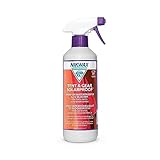
If your tent’s DWR is failing, reapply it with a quality tent waterproofing spray to restore its water-repellent properties.
6. Apply seam sealer (optional but recommended).
- What to do: For extra protection, apply seam sealer to the inside seams of the tent fly, especially at stress points like guy-out loops and corners.
- What “good” looks like: A flexible, clear seal that prevents water from seeping through the needle holes.
- Common mistake: Using the wrong type of sealant or applying it too thickly.
- How to avoid: Use a sealant specifically designed for tents (like Gear Aid Seam Grip). Apply a thin, even coat.
For critical areas, apply a reliable seam sealer for tents to prevent any water from seeping through the stitching.

7. Check and repair guy-out points and stakes.
- What to do: Inspect the fabric loops where guy lines attach. Make sure they are securely stitched. Check your tent stakes to ensure they are straight and not bent.
- What “good” looks like: All attachment points are strong, and stakes are functional.
- Common mistake: Relying on frayed or weak guy-out loops.
- How to avoid: Reinforce any suspect loops with a few extra stitches. Straighten bent stakes or replace them.
8. Set up and check ventilation.
- What to do: Pitch the tent completely, including the fly. Open all vents and mesh panels as intended.
- What “good” looks like: Air can flow freely through the tent, reducing condensation.
- Common mistake: Closing all the vents to “keep the rain out.”
- How to avoid: Understand that condensation is moisture from your breath and body. Proper ventilation manages it. Keep vents open unless rain is blowing directly in.
9. Use a footprint or ground tarp.
- What to do: Place a footprint or ground tarp under your tent. Ensure it doesn’t extend beyond the tent’s edges.
- What “good” looks like: The tent floor is protected from abrasion and moisture from the ground.
- Common mistake: Letting the footprint stick out from under the tent.
- How to avoid: Tuck the edges of the footprint neatly under the tent floor. If it sticks out, it will channel water under your tent.
10. Pack it properly.
- What to do: When packing up, shake out as much moisture as possible. If you must pack a wet tent, spread it out to dry as soon as you get home.
- What “good” looks like: The tent is dry before being stored long-term.
- Common mistake: Storing a damp tent.
- How to avoid: Always prioritize drying your tent fully. Mildew and mold are tent killers.
Common mistakes (and what happens if you ignore them)
| Mistake | What it causes | Fix |
|---|---|---|
| Not cleaning the tent | Dirt breaks down fabric and DWR, leading to leaks and reduced lifespan. | Clean with specialized cleaner; rinse thoroughly. |
| Using harsh detergents or washing machines | Strips DWR, damages fabric, and can ruin seams. | Use mild soap or tent-specific wash. Hand wash only. |
| Ignoring seam integrity | Water seeps through needle holes, causing leaks and discomfort. | Inspect and re-seal seams with seam sealer. |
| Letting the footprint extend beyond tent | Channels water <em>under</em> the tent floor, making it wet and cold. | Tuck footprint edges under the tent floor. |
| Closing all vents in rain | Leads to heavy condensation, making the inside feel wet and clammy. | Keep vents open as much as possible; use strategically placed mesh panels for airflow. |
| Storing a damp tent | Promotes mildew and mold growth, which permanently damages fabric and smell. | Always dry tent completely before storing. If packed wet, dry immediately upon returning home. |
| Not reapplying DWR when needed | Water soaks into the fabric instead of beading, reducing insulation and breathability. | Test with water; reapply DWR spray or wash when water stops beading. |
| Using the wrong repair materials | Repairs can fail, be heavy, or damage the fabric further. | Use tent-specific repair kits and sealants. |
| Pitching in a low-lying drainage area | Flash floods can be dangerous and will destroy your gear. | Scout your campsite; pitch on higher ground, away from gullies or dry creek beds. |
| Not checking road conditions | Getting stuck or damaging your vehicle, wasting your trip and money. | Check local conditions, weather, and road reports before heading out. |
Decision rules (simple if/then)
- If water soaks into the tent fly fabric, then reapply DWR because the coating has worn off.
- If you see water pooling on the ground around your tent, then check your footprint because it might be too large.
- If you feel dampness inside your tent that isn’t from rain, then open the vents more because it’s likely condensation.
- If the tent seams look worn or threads are loose, then apply seam sealer because those are prime leak spots.
- If you’re heading into an area with high fire danger, then check the current fire restrictions before you go because rules can change daily.
- If the forecast calls for high winds, then pick a sheltered campsite and use all guy lines because strong winds can destroy a tent.
- If your tent fabric feels stiff or has a musty smell, then it’s likely mildew, and you need to clean and dry it thoroughly because mildew weakens fabric.
- If you can’t reach anyone by phone and are in a remote area, then consider carrying a satellite messenger because cell service is unreliable.
- If you’re setting up camp near a water source, then check for signs of recent flooding or animal trails because you don’t want to camp in a flood zone or a busy animal highway.
- If you notice any small tears or holes, then patch them immediately because they can quickly become much larger.
- If you’re using a new tent, then do a practice pitch at home first because you’ll learn its quirks and ensure everything is there.
FAQ
How often should I reapply DWR?
This depends on use, but generally, every 6-12 months of regular use is a good guideline. You’ll know it’s time when water stops beading and starts soaking into the fabric.
Can I use a regular tarp under my tent?
Yes, but make sure it’s cut to the exact size of your tent floor or slightly smaller. If it sticks out, it will collect rain and channel it under your tent.
What’s the difference between a tent fly and the tent body?
The tent body is the inner tent, usually made of mesh and fabric, where you sleep. The fly is the waterproof outer shell that goes over the body to protect you from rain and wind.
How do I dry a tent if it’s raining when I pack up?
Shake off as much water as possible. Pack it loosely in a large garbage bag to keep other gear dry. As soon as you can, spread it out to dry completely at home.
Will my tent floor get wet even if the fly is waterproof?
The tent floor is usually made of a heavier, waterproof material, but it can still get saturated if it’s in standing water or if the DWR has failed. Using a footprint helps protect it.
Is condensation a sign my tent is leaking?
Not usually. Condensation is moisture from your breath and body evaporating inside the tent. Proper ventilation helps manage it. A leak is water coming through the fabric or seams.
What’s the best way to store a tent?
Store it loosely in a breathable bag (like the stuff sack it came in, or a larger cotton sack) in a cool, dry place. Avoid storing it compressed in a tight stuff sack for long periods.
What this page does NOT cover (and where to go next)
- Detailed repair techniques for rips and tears (look for guides on patching and mending).
- Specific product recommendations for cleaners, sealants, or DWR treatments (research brands and reviews).
- Advanced tent pitching strategies for extreme weather (explore resources on high-wind or snow camping).
- Choosing the right tent for specific climates or activities (consider guides on backpacking vs. car camping tents).
- Regulations and permits for backcountry camping (check with the land management agency).

Camping Bob has spent over 20 years camping across the US — from BLM dispersed sites in the Southwest to KOA campgrounds in the Pacific Northwest. He writes practical, no-nonsense guides to help fellow campers get outdoors with confidence.